Tag Archives: Italy

11 – 12 Oct San Gimignano, lovely BnB in Monteriggioni, Siena

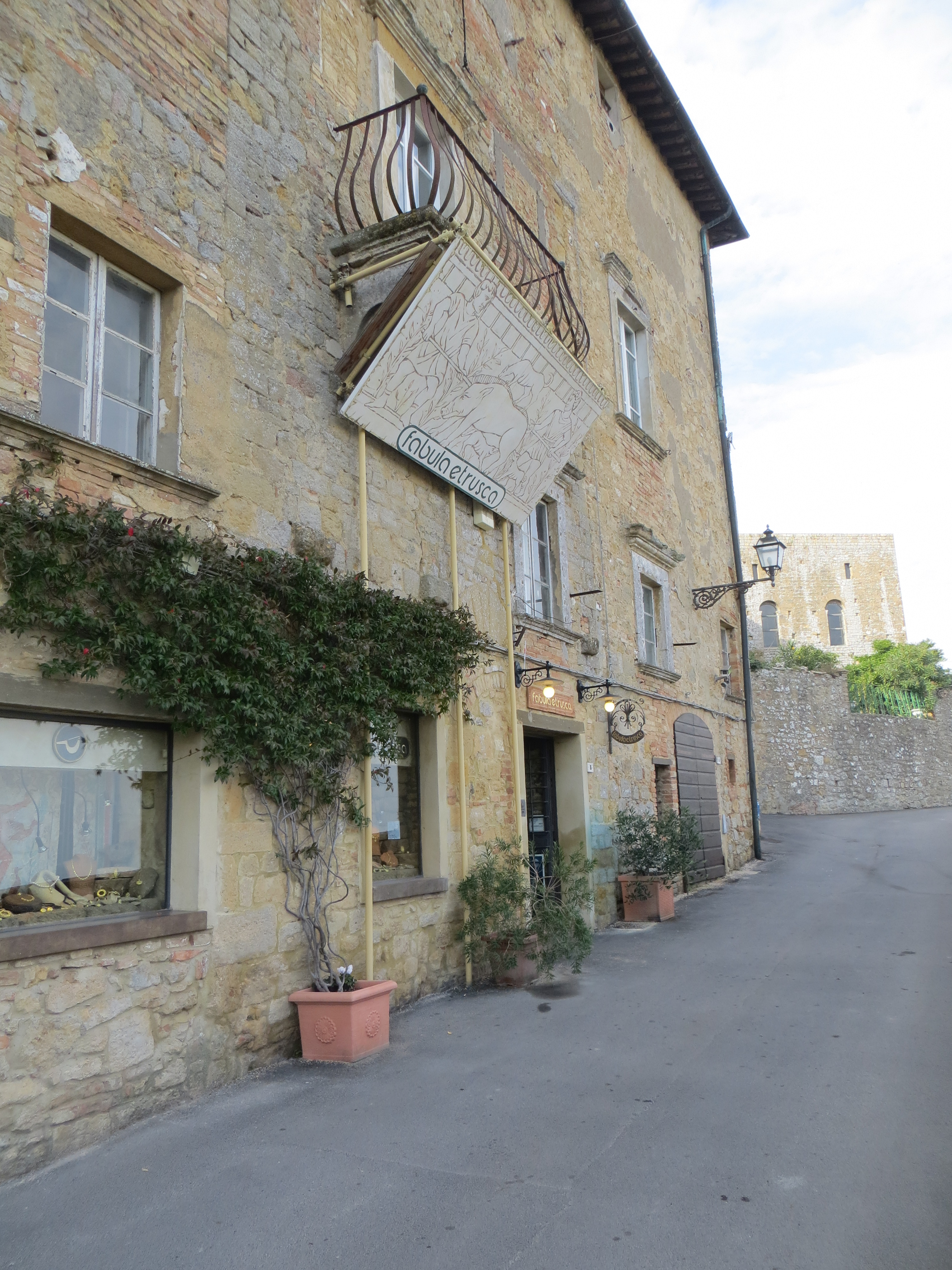
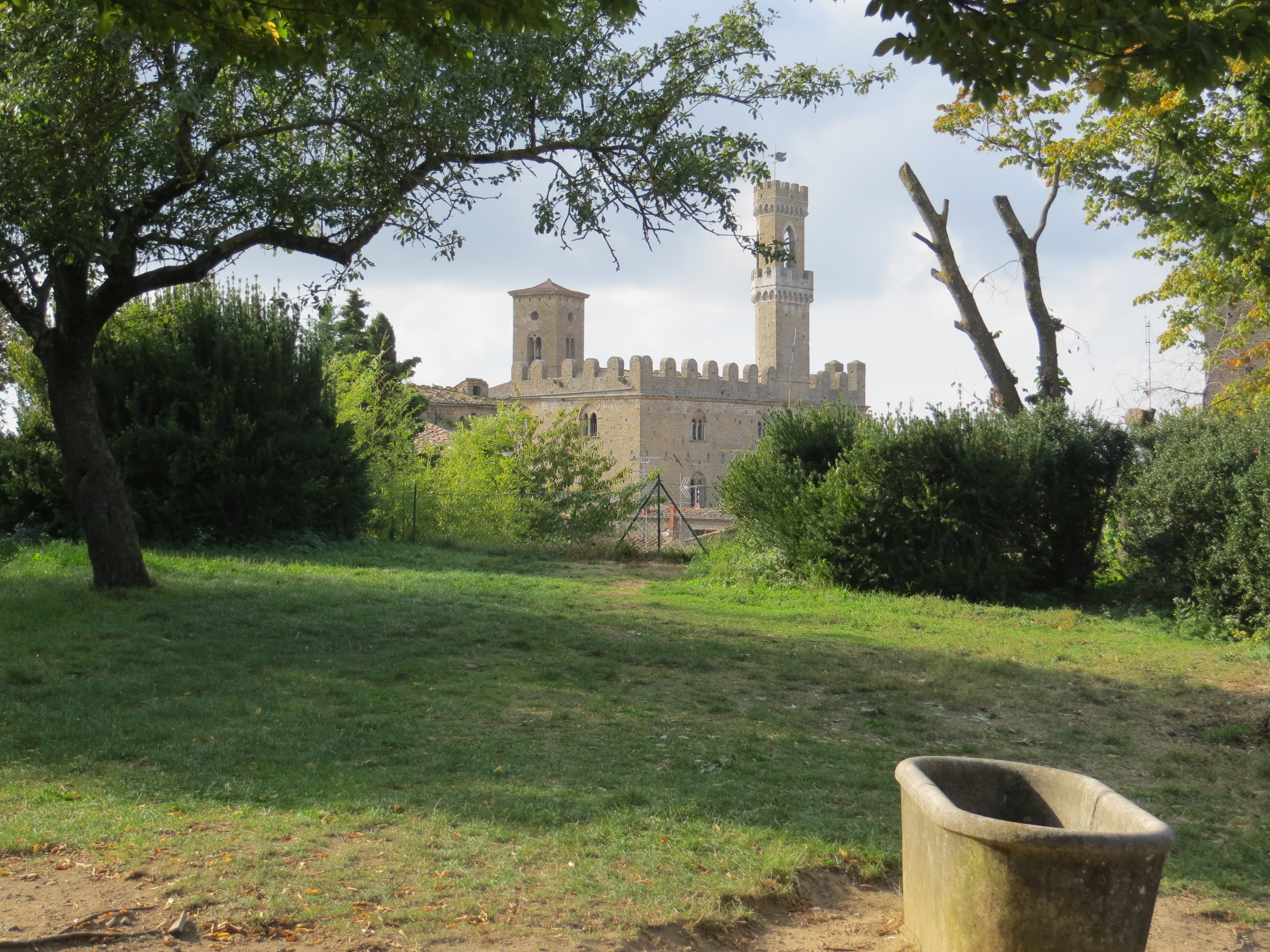
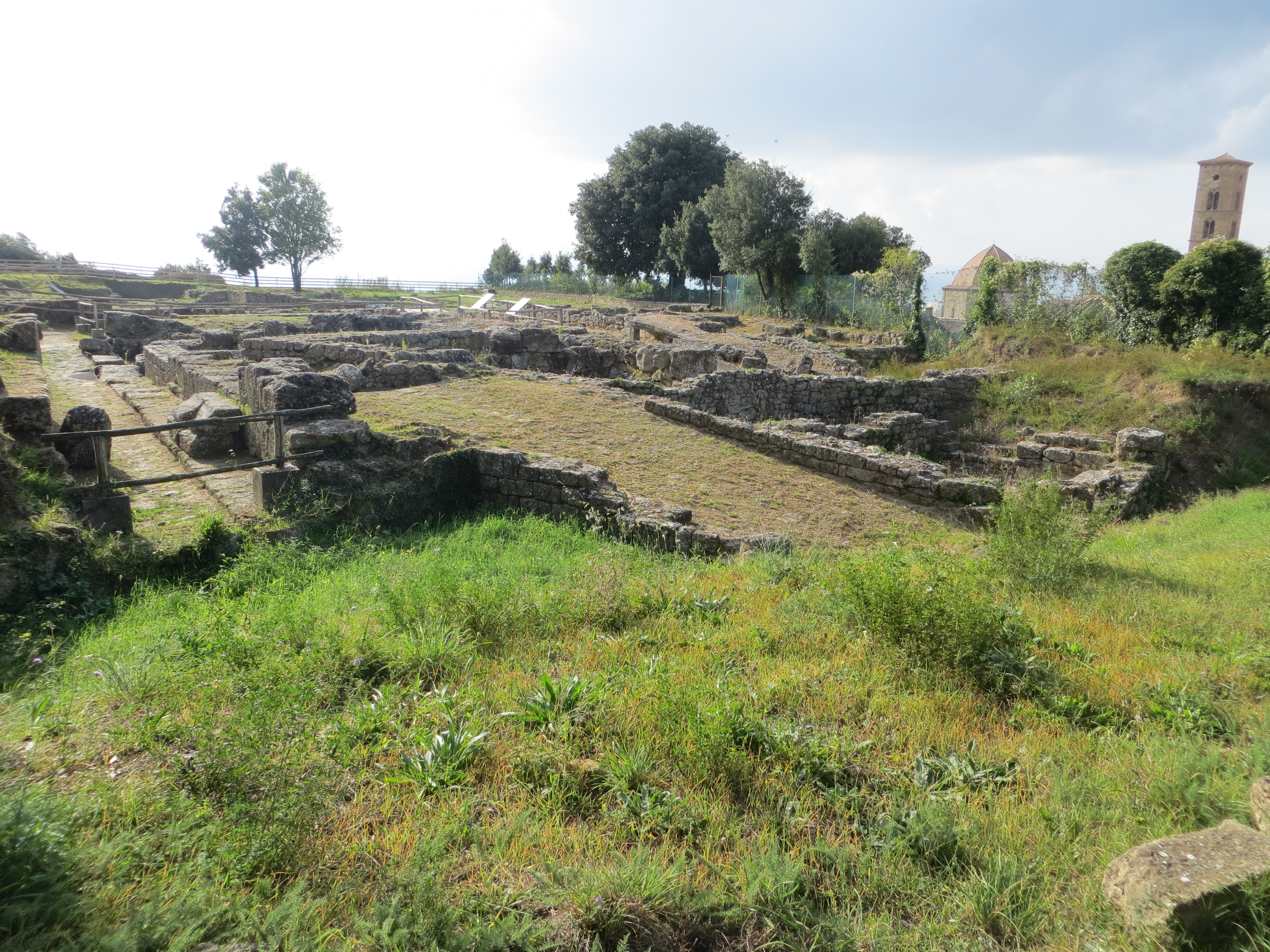
On Saturday 11-Oct we left the Volterra B&B early to visit a jeweler, Fabula Etrusca, and see the near-by Roman theater.  Both were successfully visited and we set off for Siena, but stopping first at San Gimignano.

After strolling through the streets of the San Gimignano fortress and having lunch on a veranda overlooking the distant countryside we drove on towards Siena.  John was looking for a “agro-tourism” B&B as we cruised the backroads.  Nearing Siena we found a prominent fortress dominating the skyline so naturally we headed straight for it: Monteriggioni.

As we found out, Monteriggioni was built in the 13th century to help protect Siena’s flank, and it did so through many battles & assaults.  The intact fortress covers a small hilltop and has a commanding view of the surrounding area.  Within the walls is a small tourist-based community and a large square.  The place is mobbed most days but clears out at night with several restaurants to choose from.  We stopped at the Tourist office & they gave us a list of Hotel & B&Bs which John used to hunt down a beautiful accommodation within the medieval fortress with Olie Ingo, Via Matteotti 7, Monteriggioni.

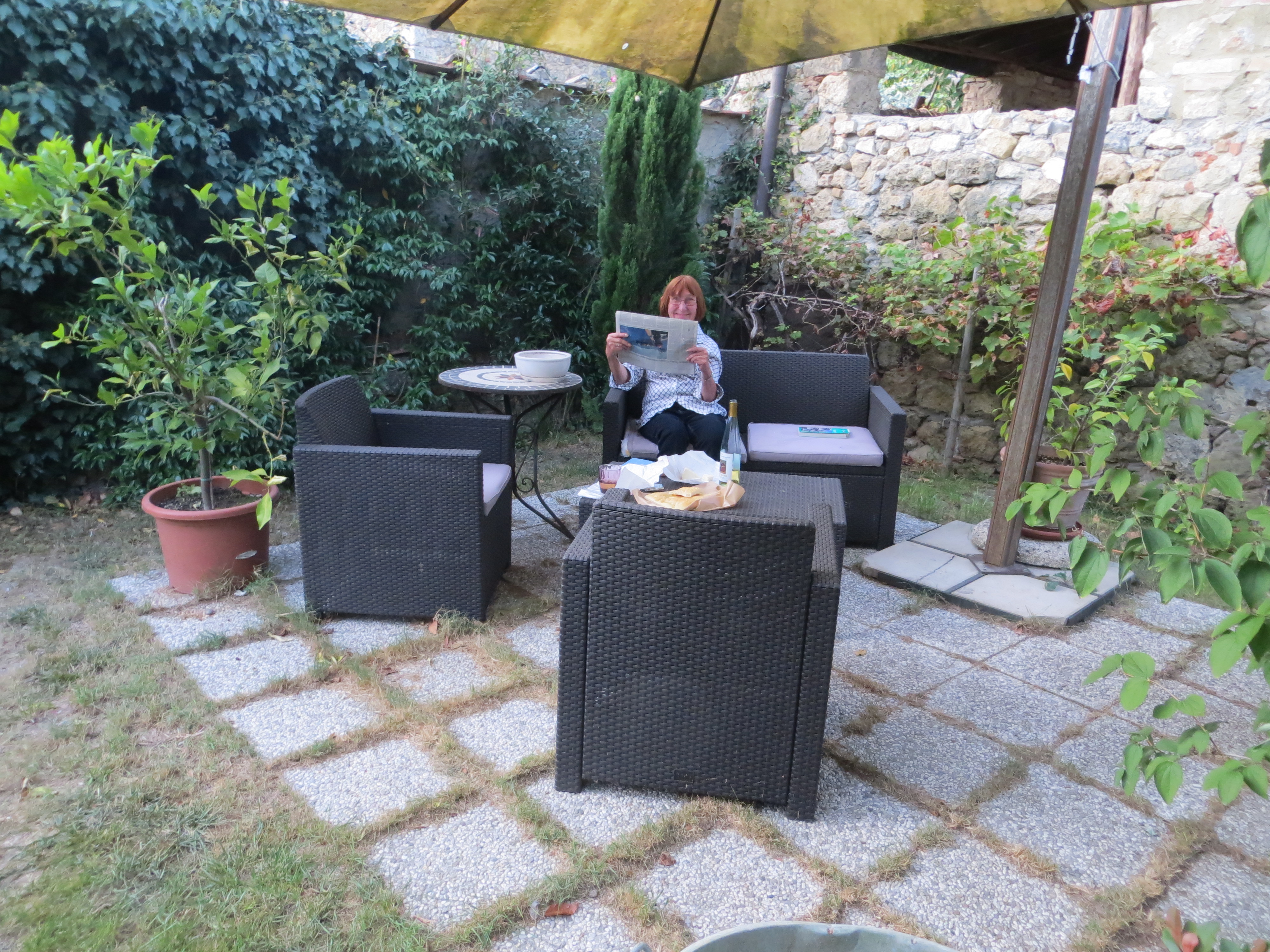
We liked it so much that we decided to stay two nights.  It was an upstairs apartment on a back street under the shadow of the fortress walls with a large bedroom and queen size bed, a roomy hall  bathroom and a front sitting room.  Outside was a private patio in the garden. We paid 85e a night.

Europe_2014 10 13_0931

B&B Olie Ingo, Via Matteotti 7, Monteriggioni, Italy
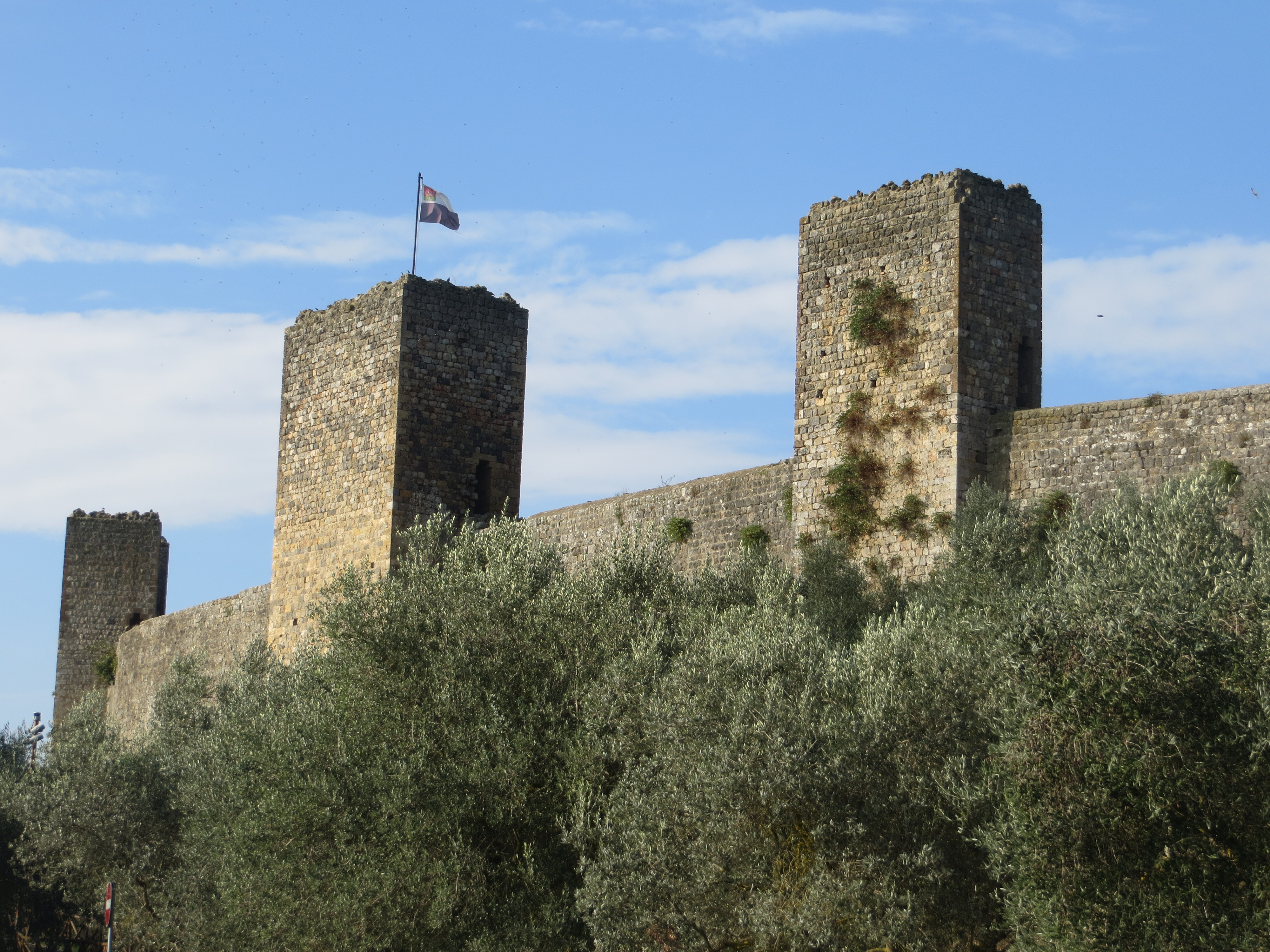
Europe_2014 10 12_0948

Fortress Monteriggioni, Italy

Europe_2014 10 12_0952

Sunday services outside chapel, Monteriggioni, Italy
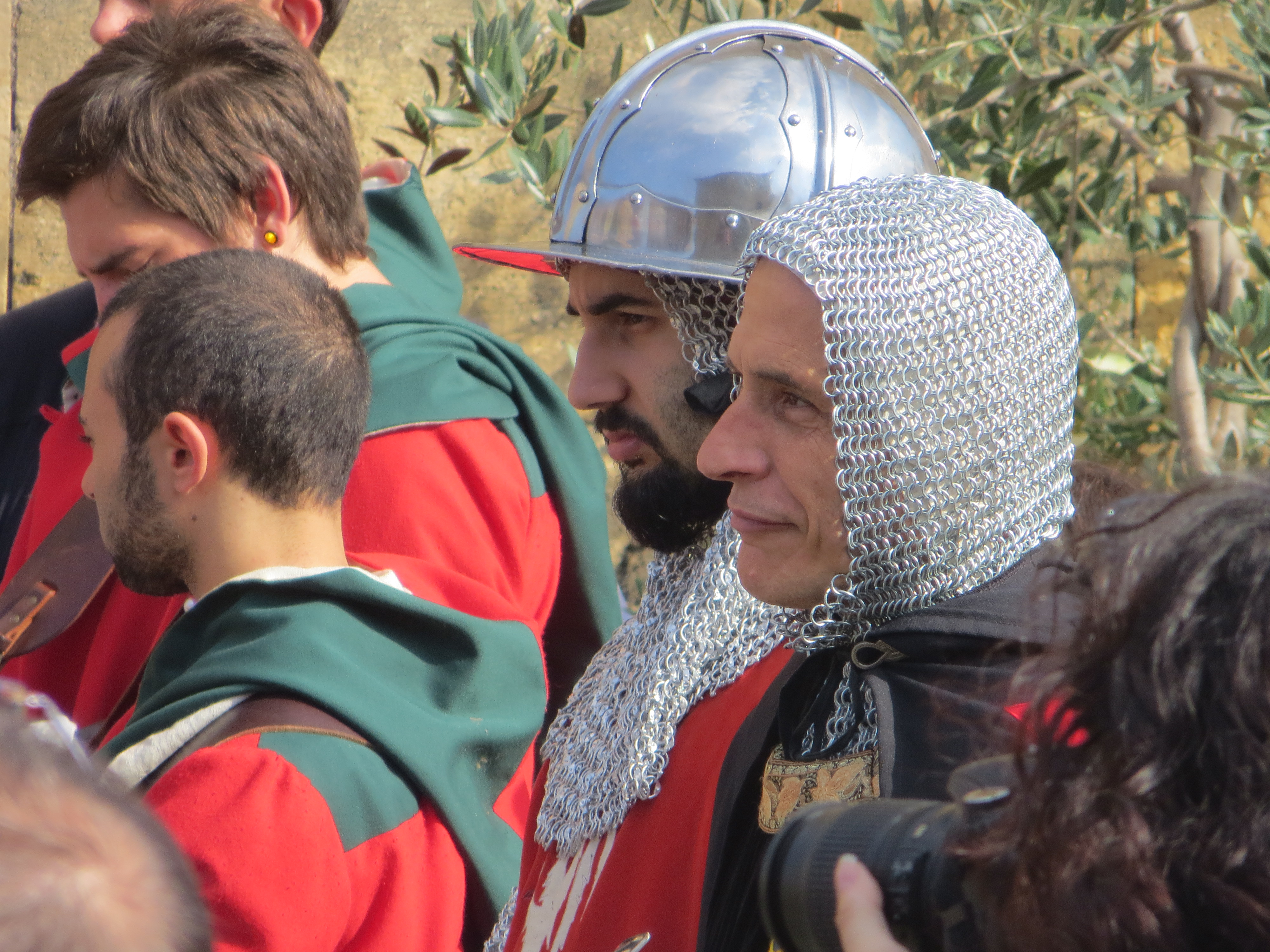
Europe_2014 10 12_0953

Sunday services outside chapel, Monteriggioni, Italy
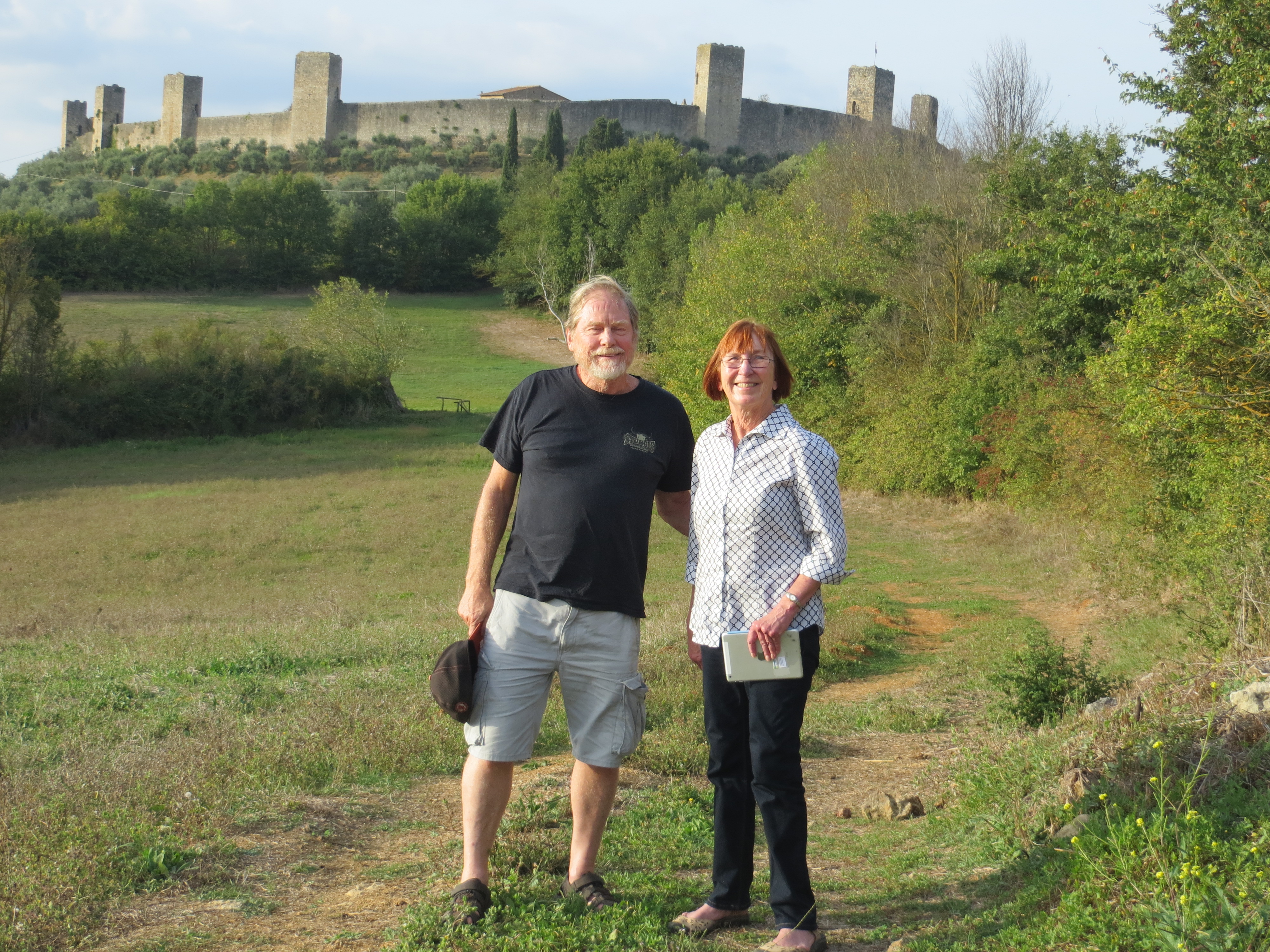
Europe_2014 10 12_0997

outside Monteriggioni, Italy

Europe_2014 10 12_1002

B&B garden patio, Monteriggioni, Italy
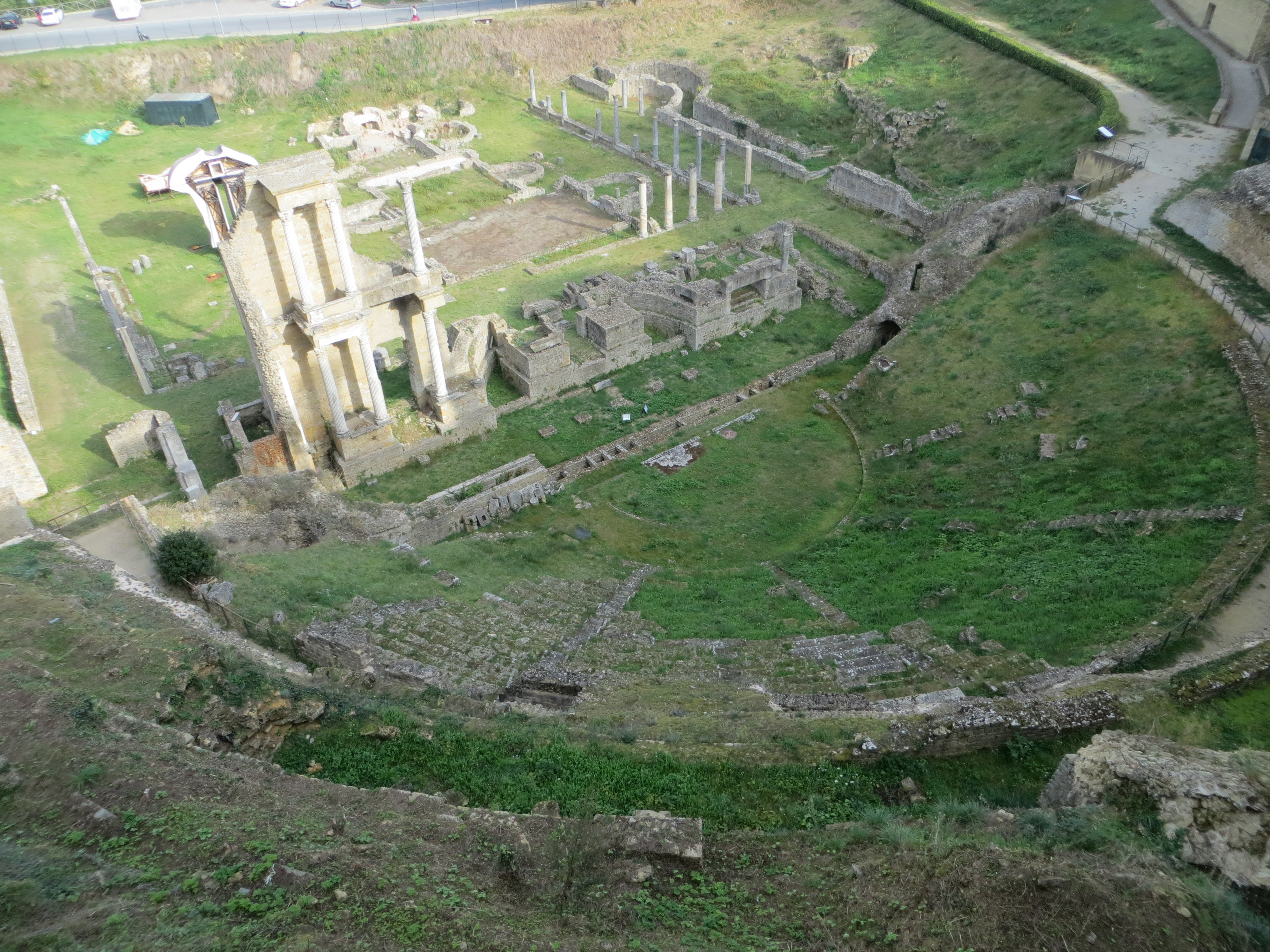
Europe_2014 10 11_1007

Roman theater, Volterra Italy

Europe_2014 10 11_1006

Jewler, Volterra Italy

Europe_2014 10 11_1018

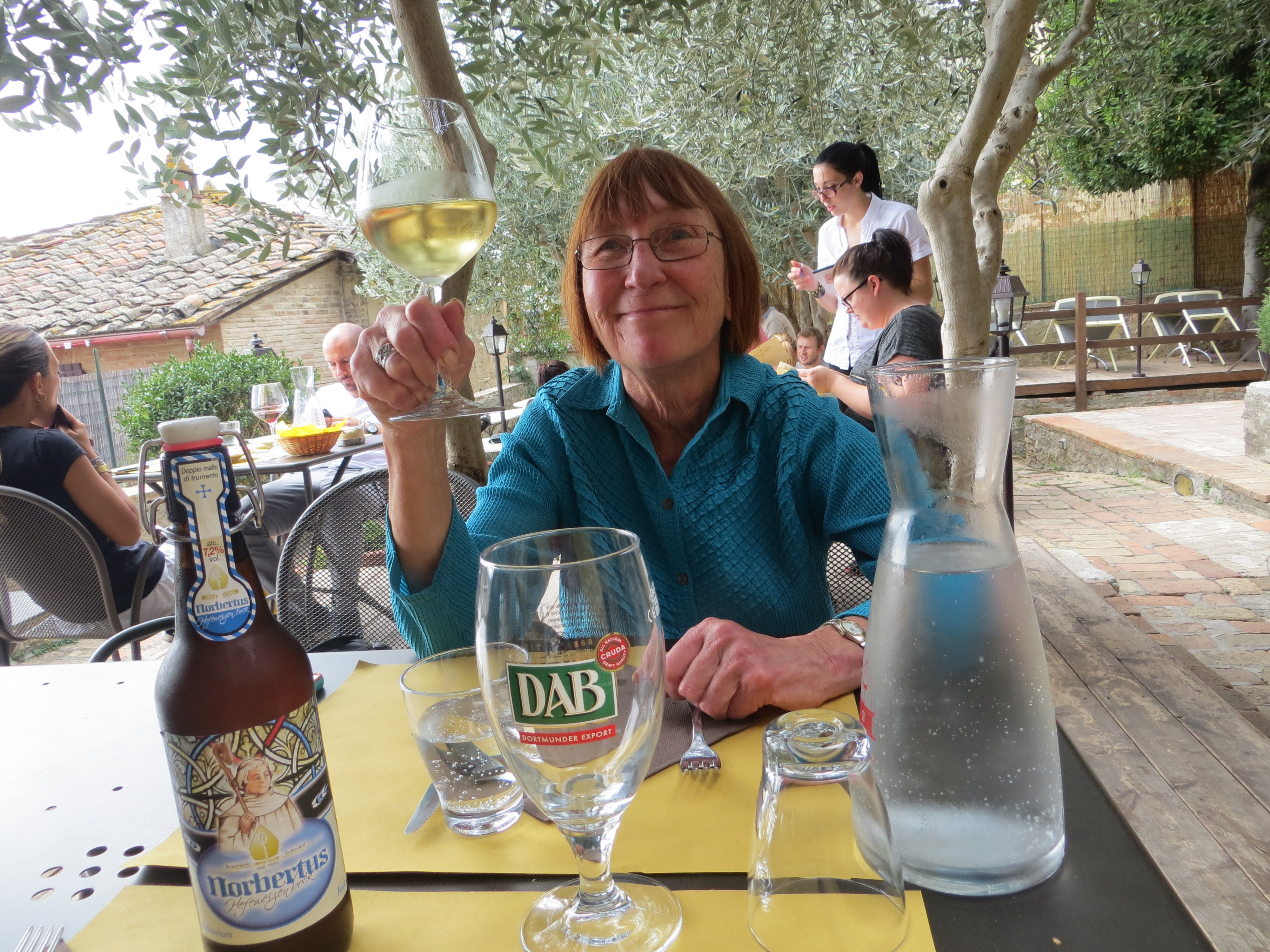
Lunch in San Gimignano.

Europe_2014 10 11_1020

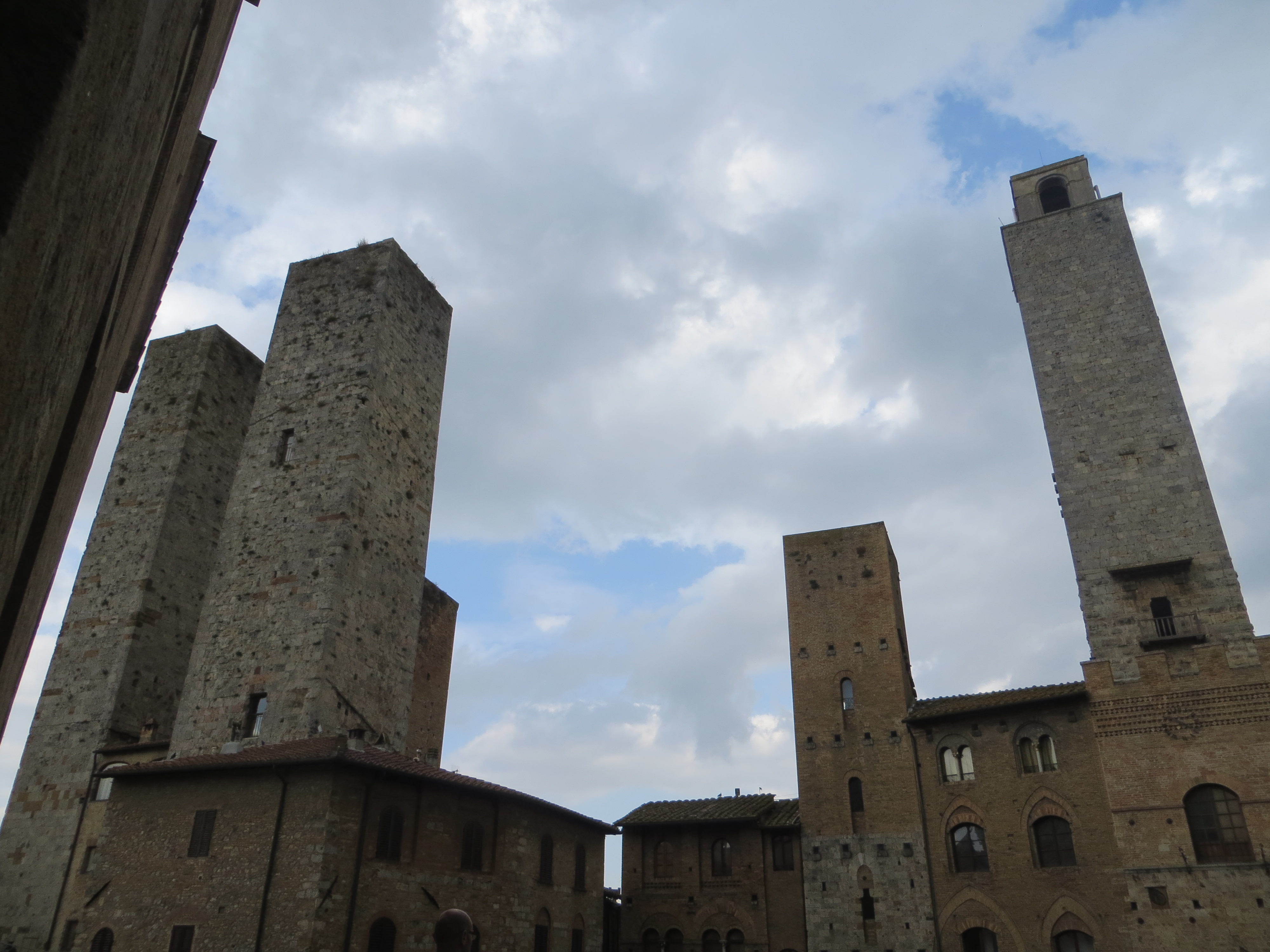
San Gimignano
Europe_2014 10 11_1023

San Gimignano
17 Oct Pompeii and the Letterario B&B, Fiumicino

We spent the day in the Pompeii ruins until around 3pm and then left for the long drive to Rome’s Fiumicino airport.  In the town adjacent to the airport, the lovely Letterario B&B was convenient for an early flight and we had a great dinner at near-by La Locanda restaurant.

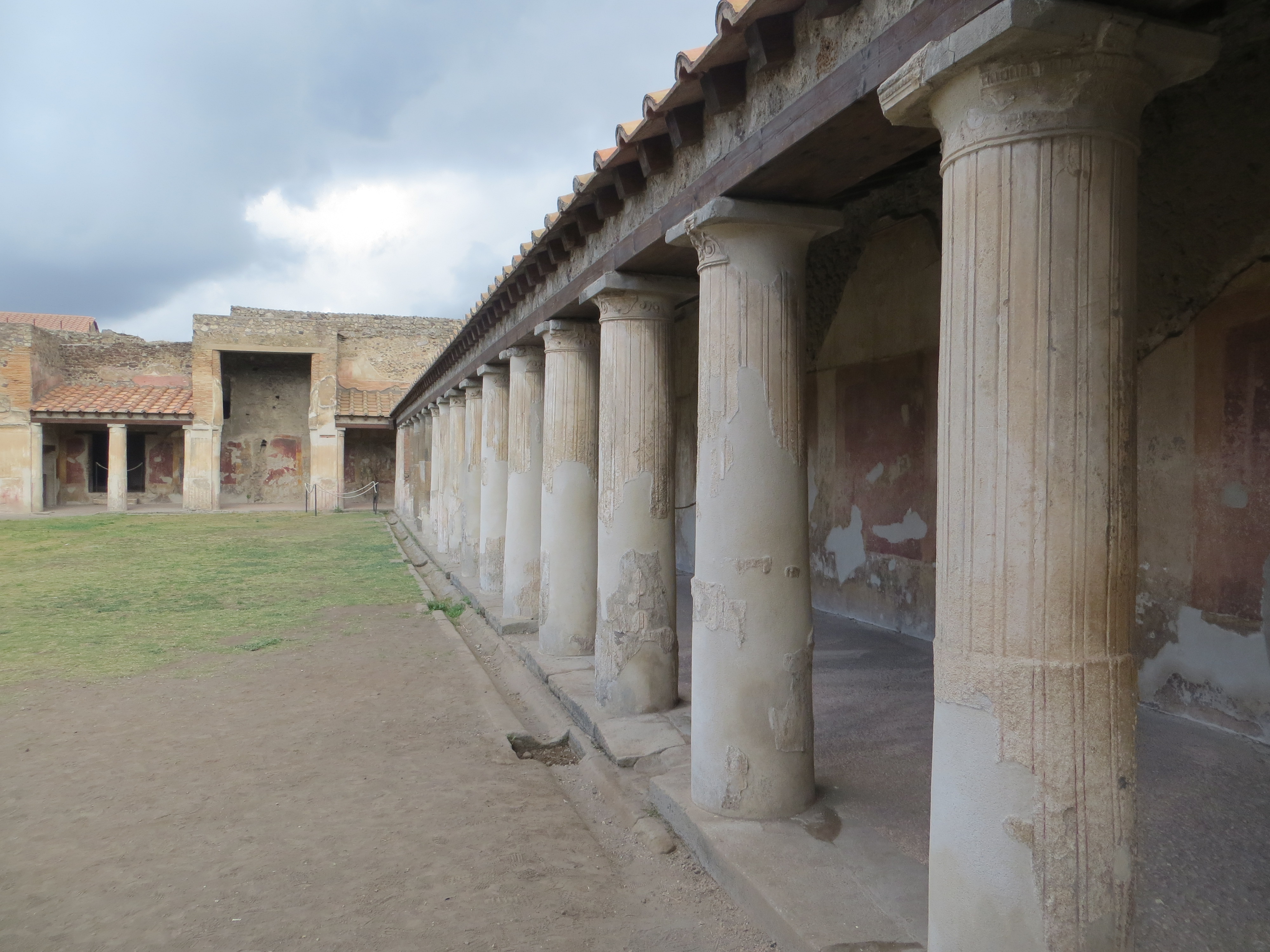
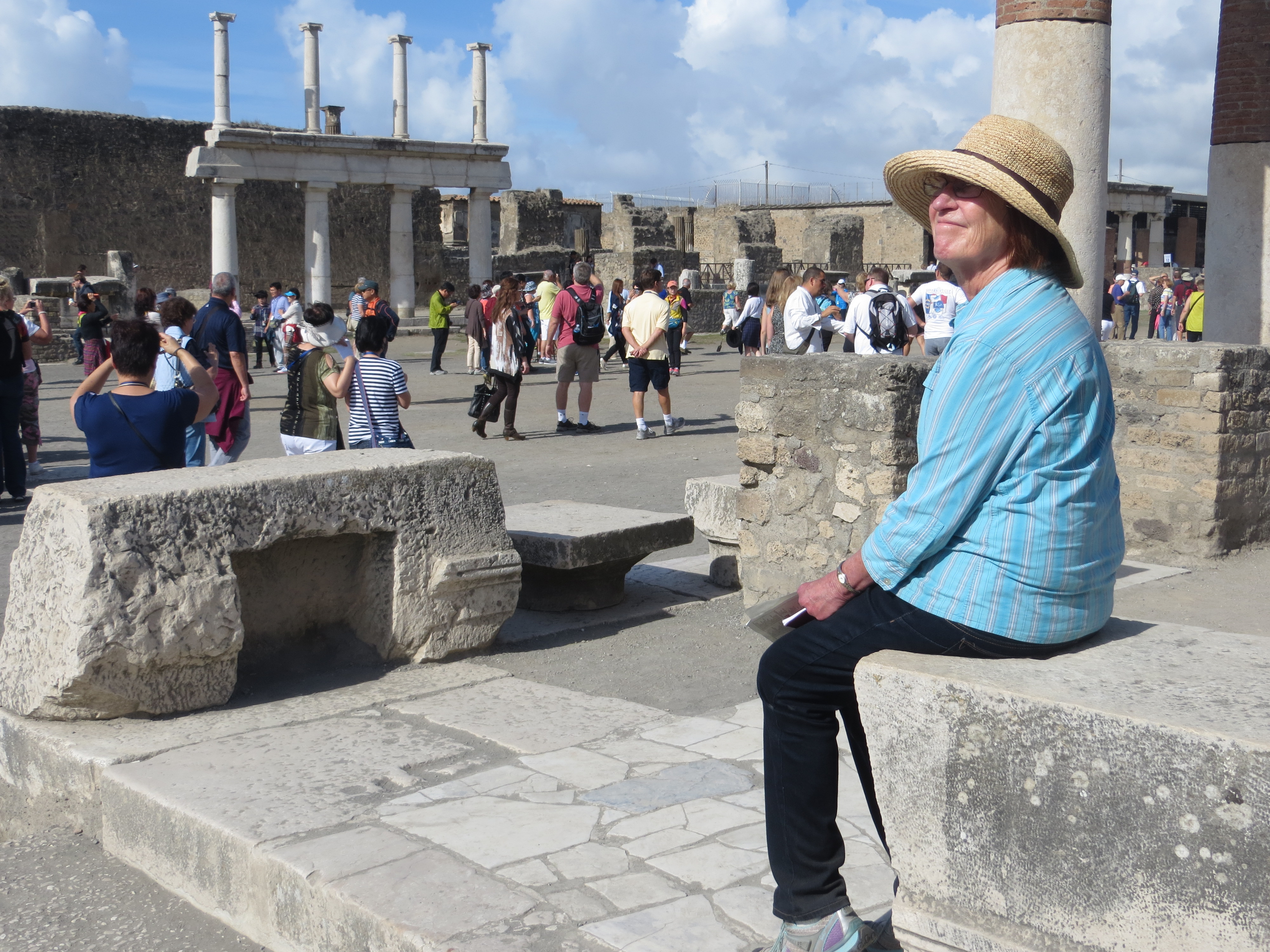
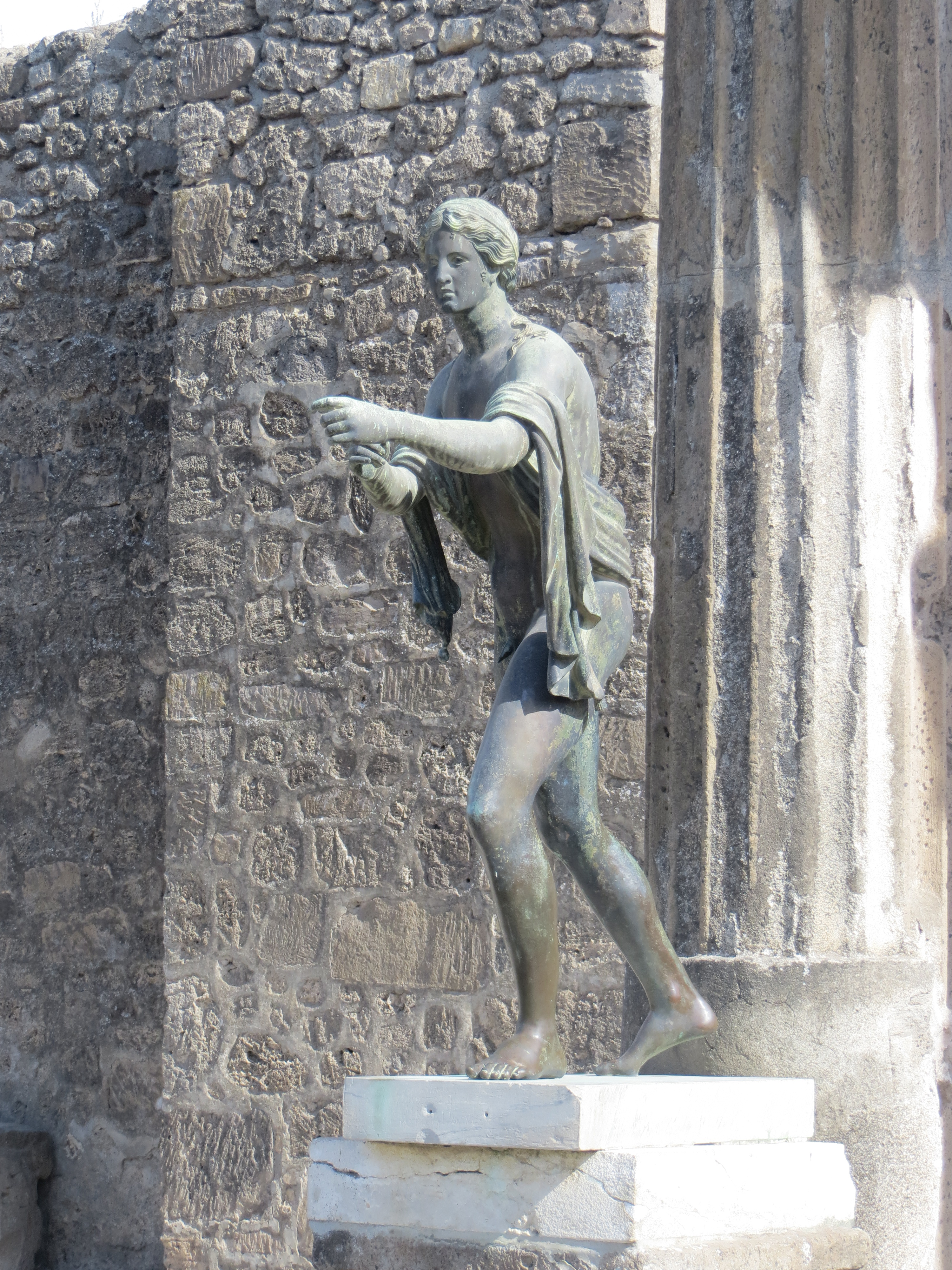
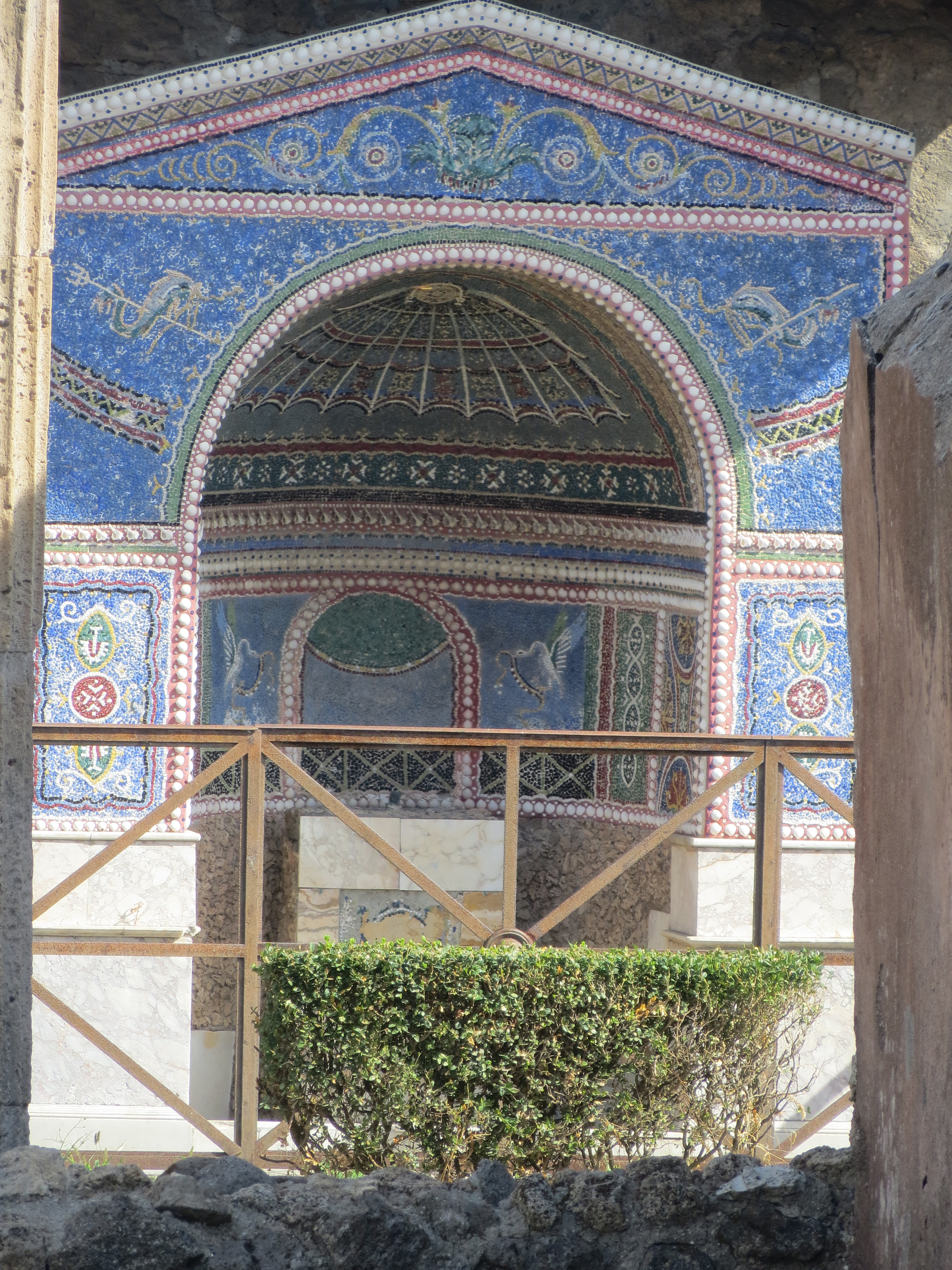
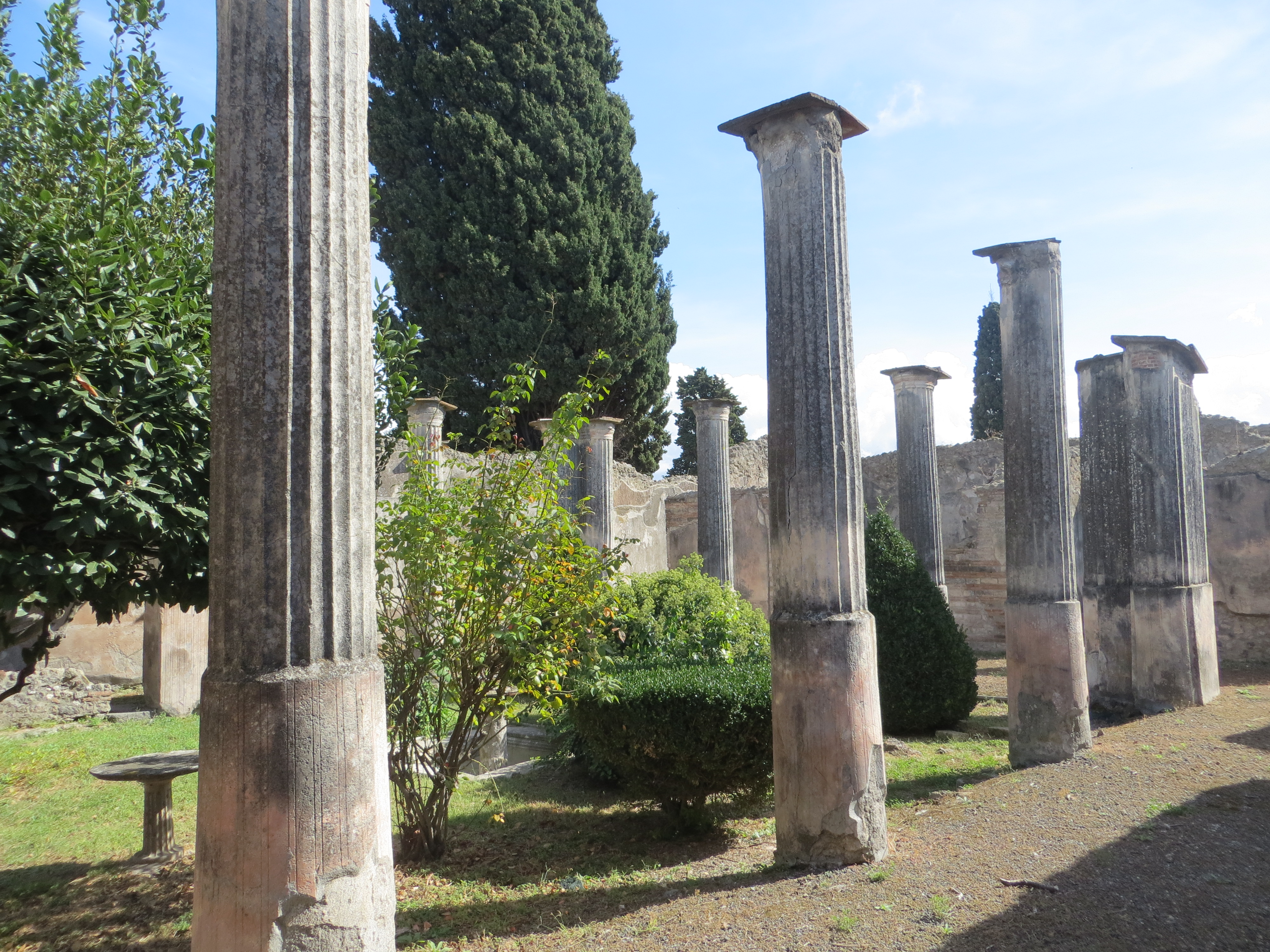
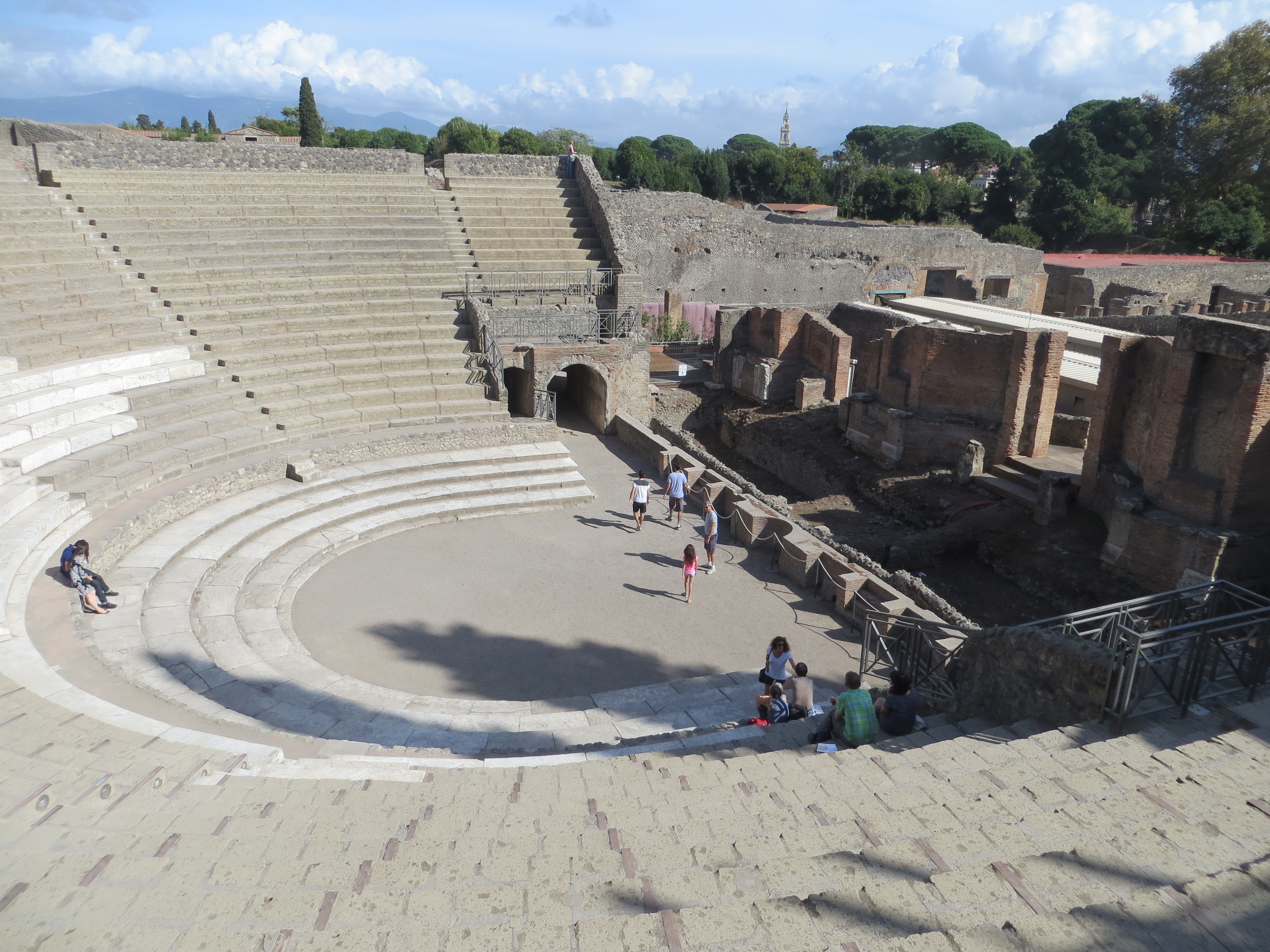
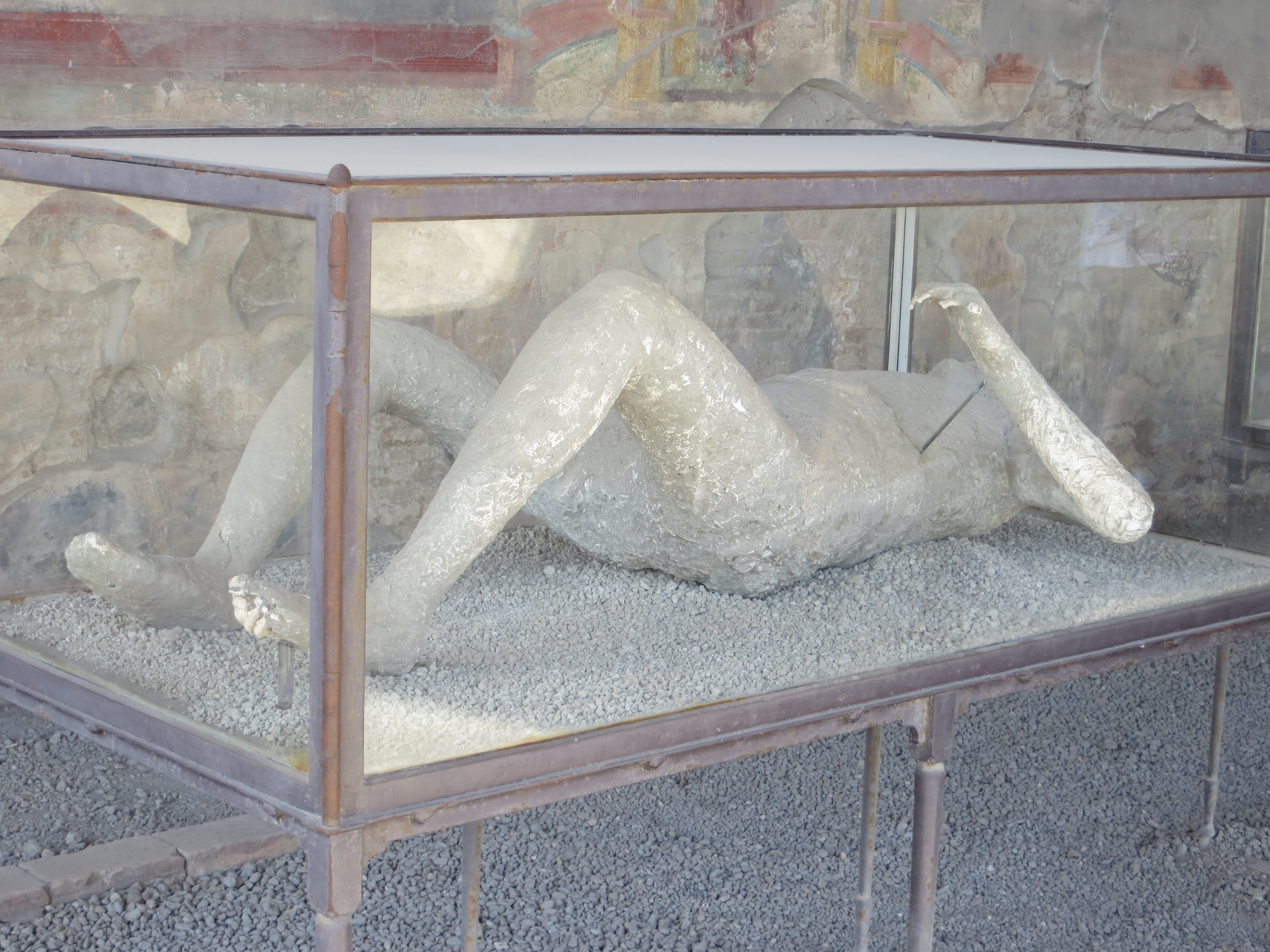
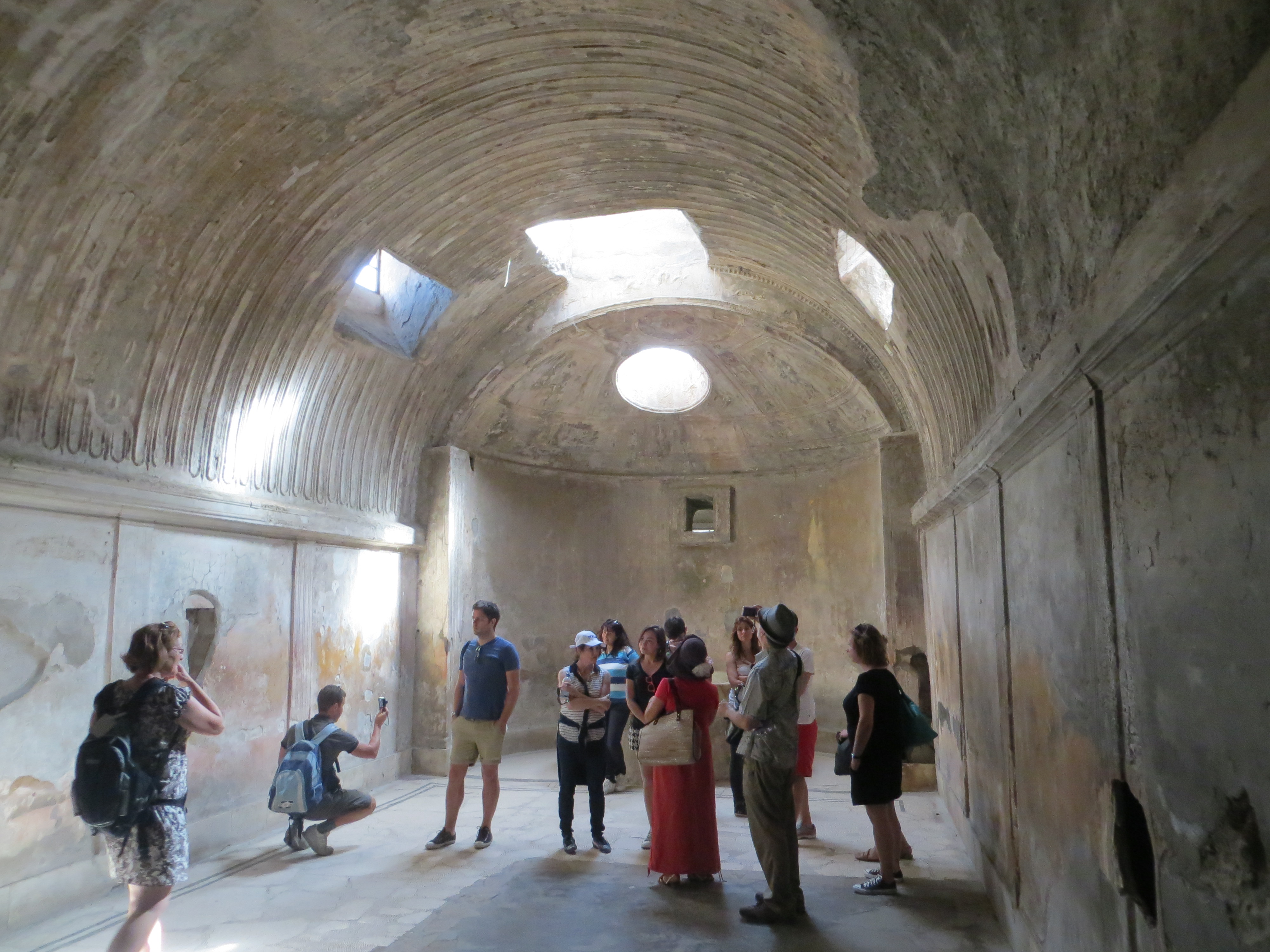
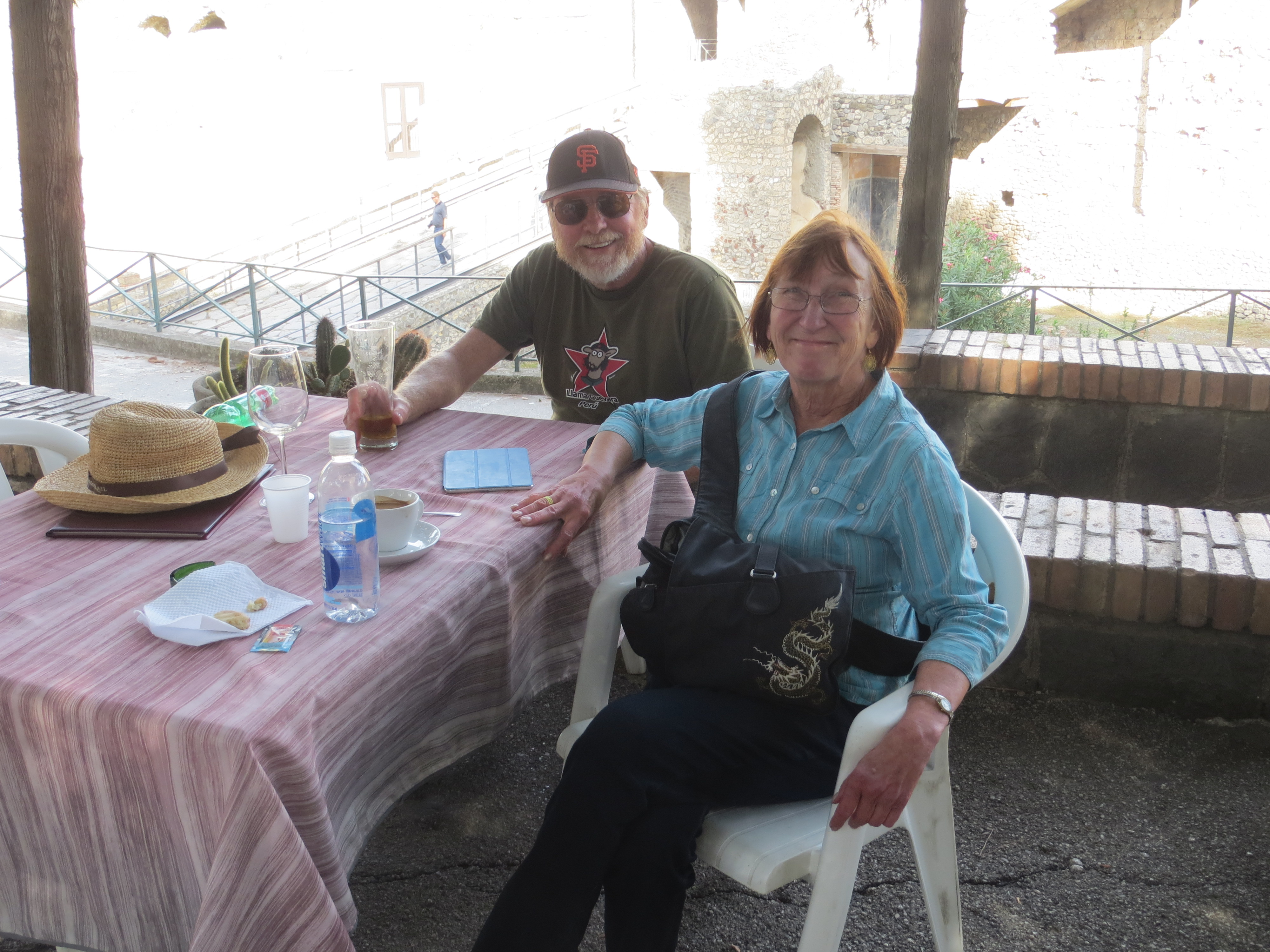
Pompeii was amazing, intriguing and vast.  You really got the feeling of a snap-shot view of early Roman history, with the crowds of visitors adding to the sense of a bustling and prosperous community.

Europe_2014 10 17_0563 Europe_2014 10 17_0586 Europe_2014 10 17_0612 Europe_2014 10 17_0622 Europe_2014 10 17_0647 Europe_2014 10 17_0649 Europe_2014 10 17_0672 Europe_2014 10 17_0673 Europe_2014 10 17_0681 Europe_2014 10 17_0690 Europe_2014 10 17_0692 Europe_2014 10 17_0702 Europe_2014 10 17_0706Europe_2014 10 17_0708

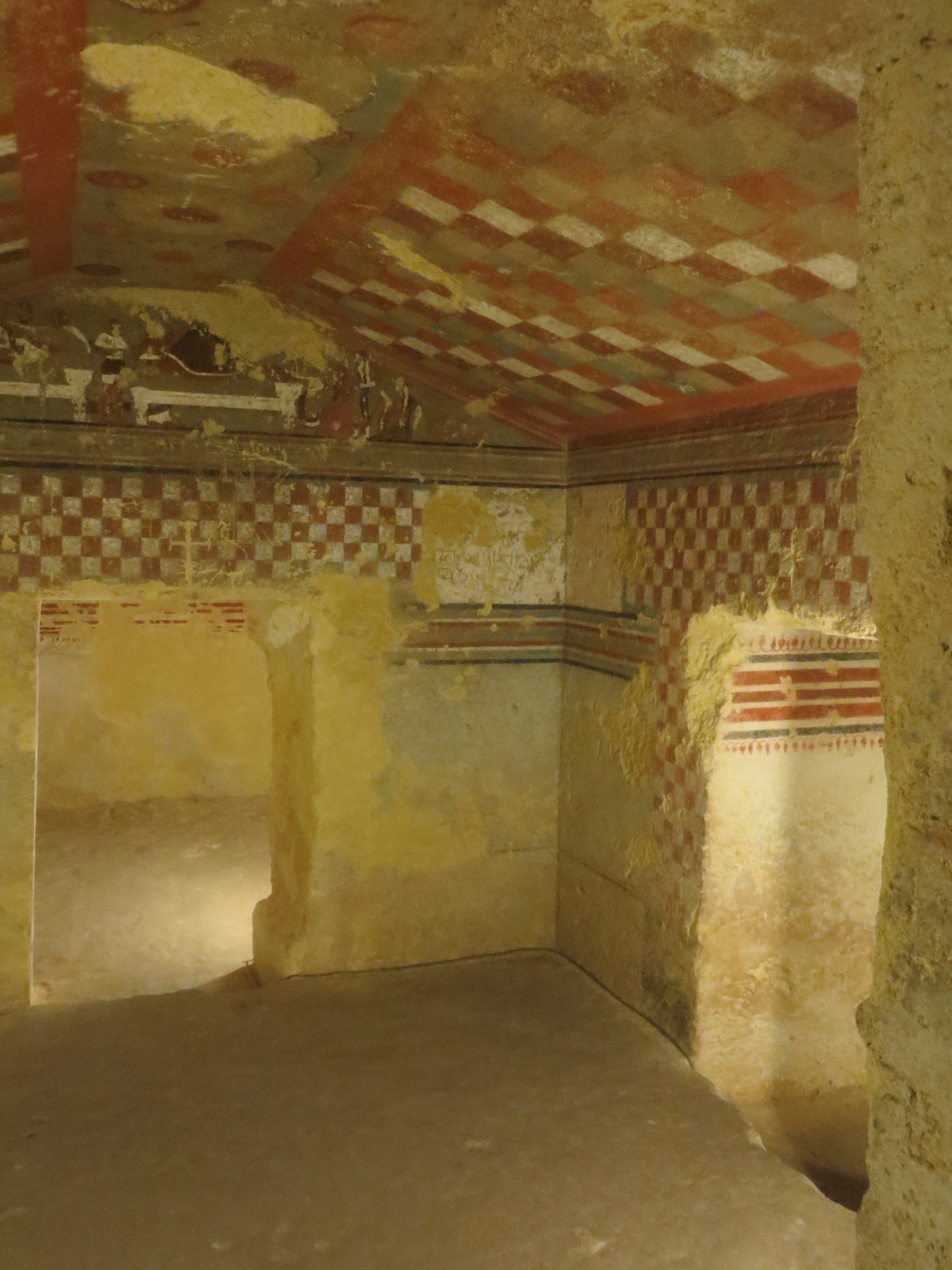
16 Oct The Necropoli del Calvario, Tarquinia; Diana Inn, Pompeii

We spent Thursday morning of 16-Oct exploring the museum & the Necropoli del Calvario tombs of Tarquinia Italy. That afternoon we drove to Pompei and checked into the Diana Inn for one night.  John had misjudged the distance from Tarquinia to Pompei (maybe 200 miles) so the drive was long, but worth the time.

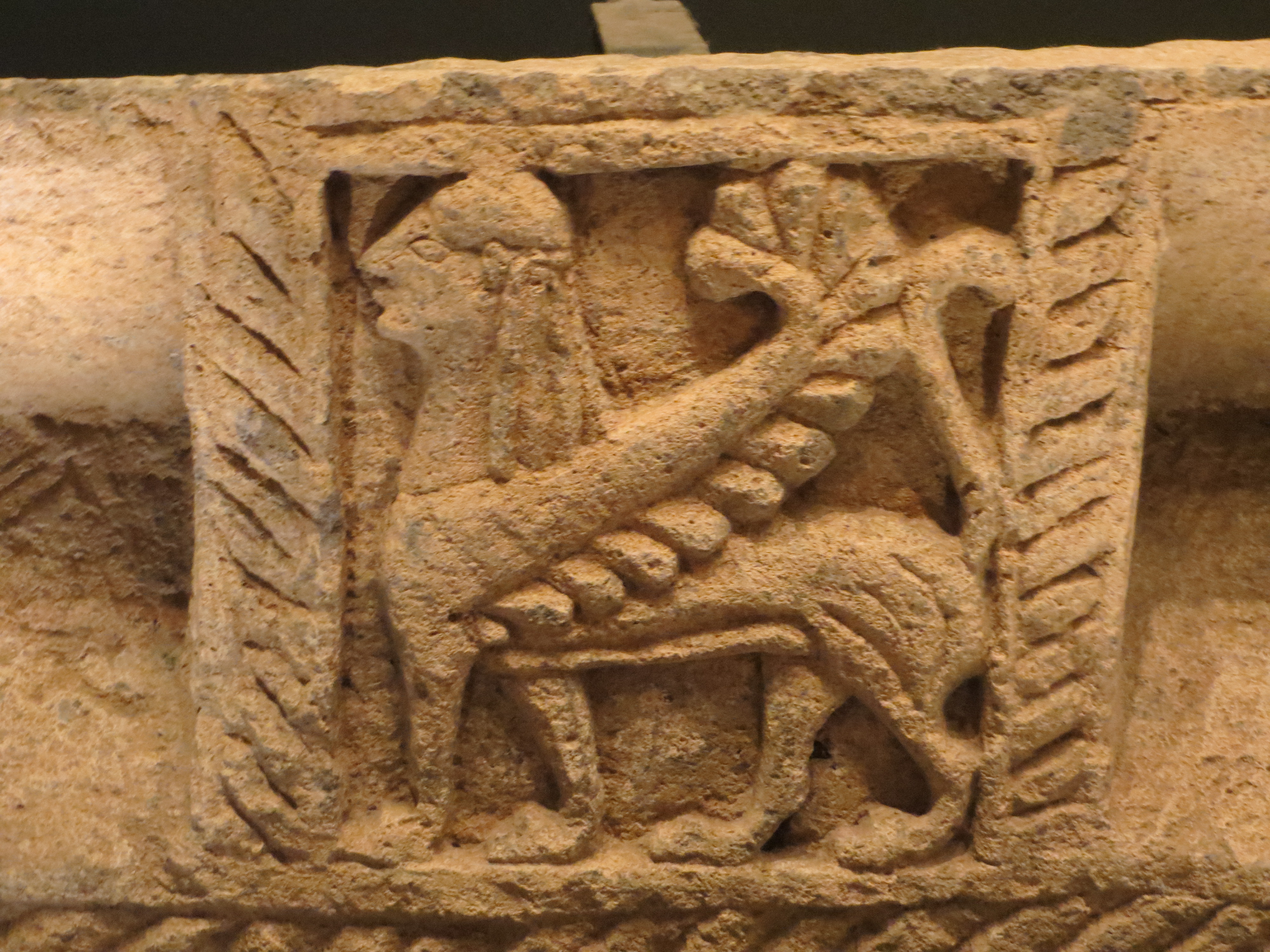
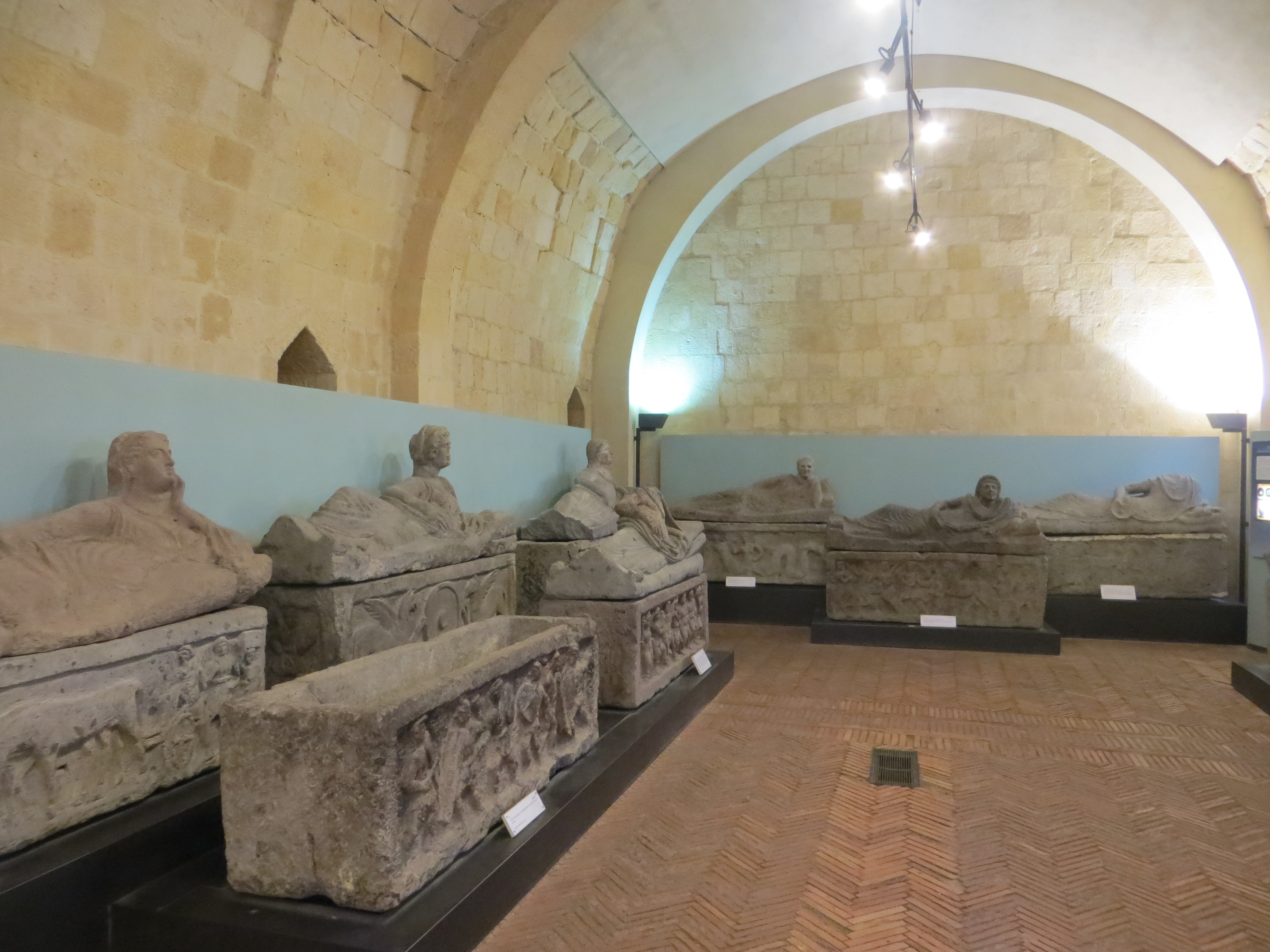
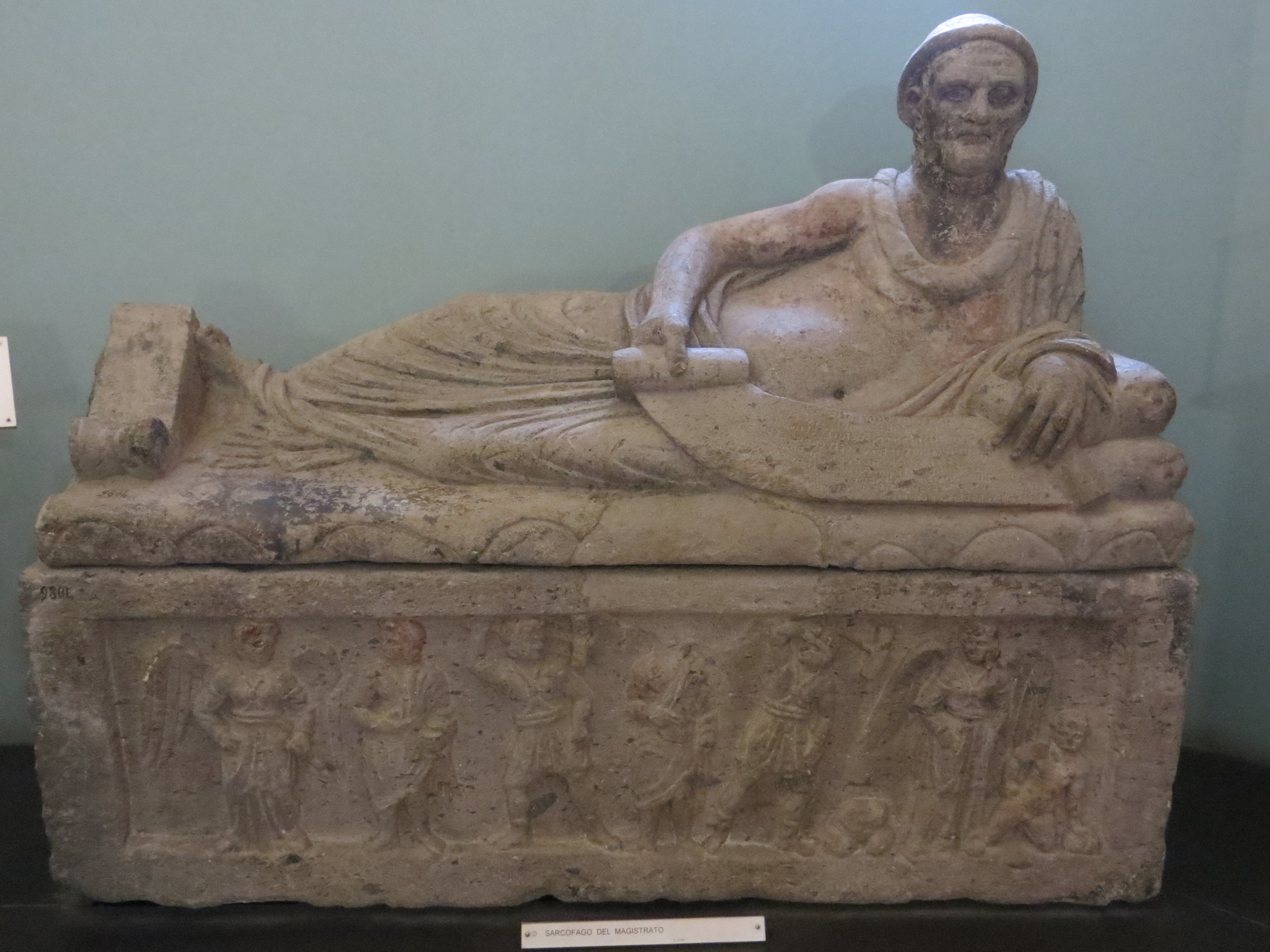
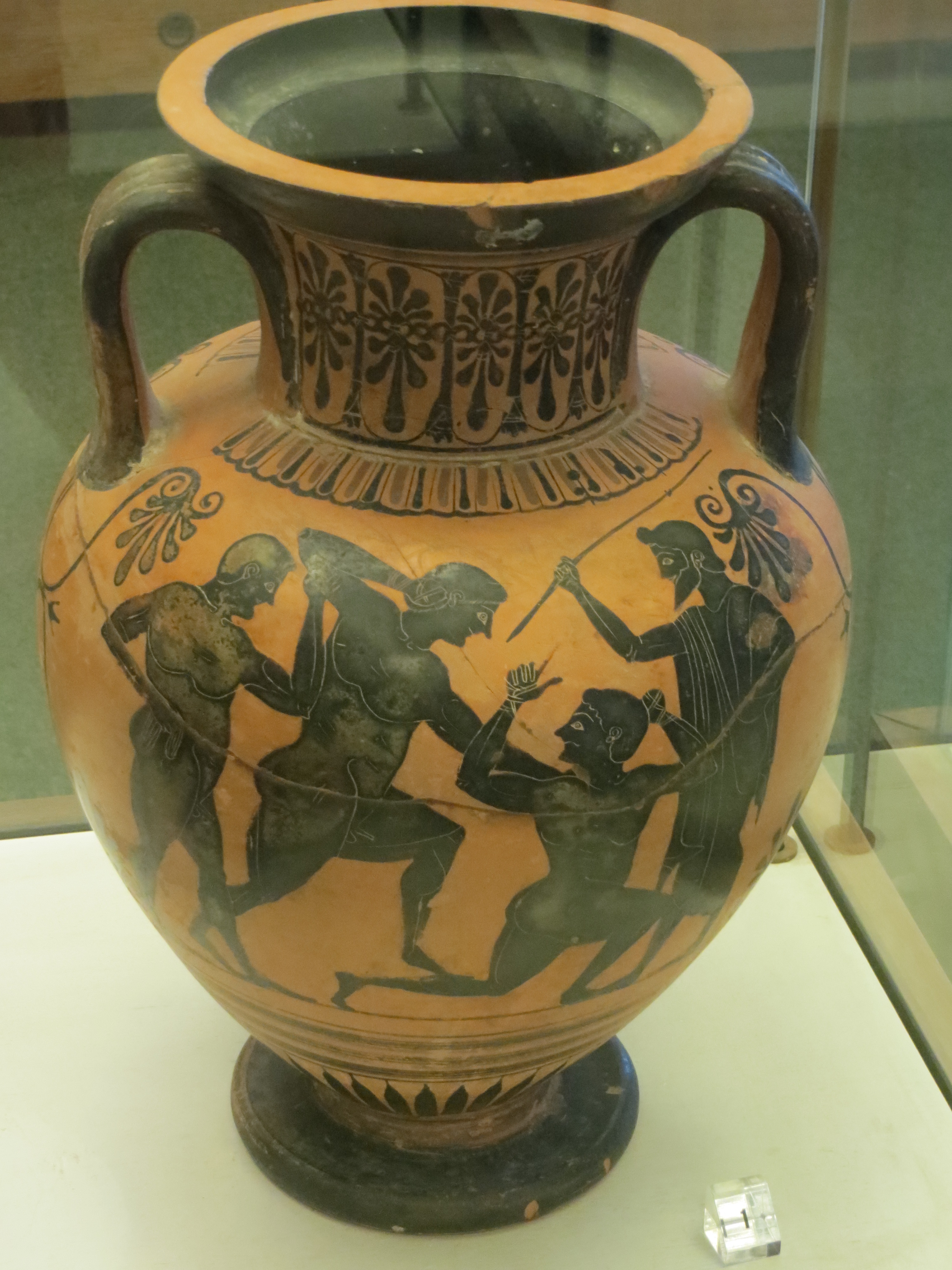
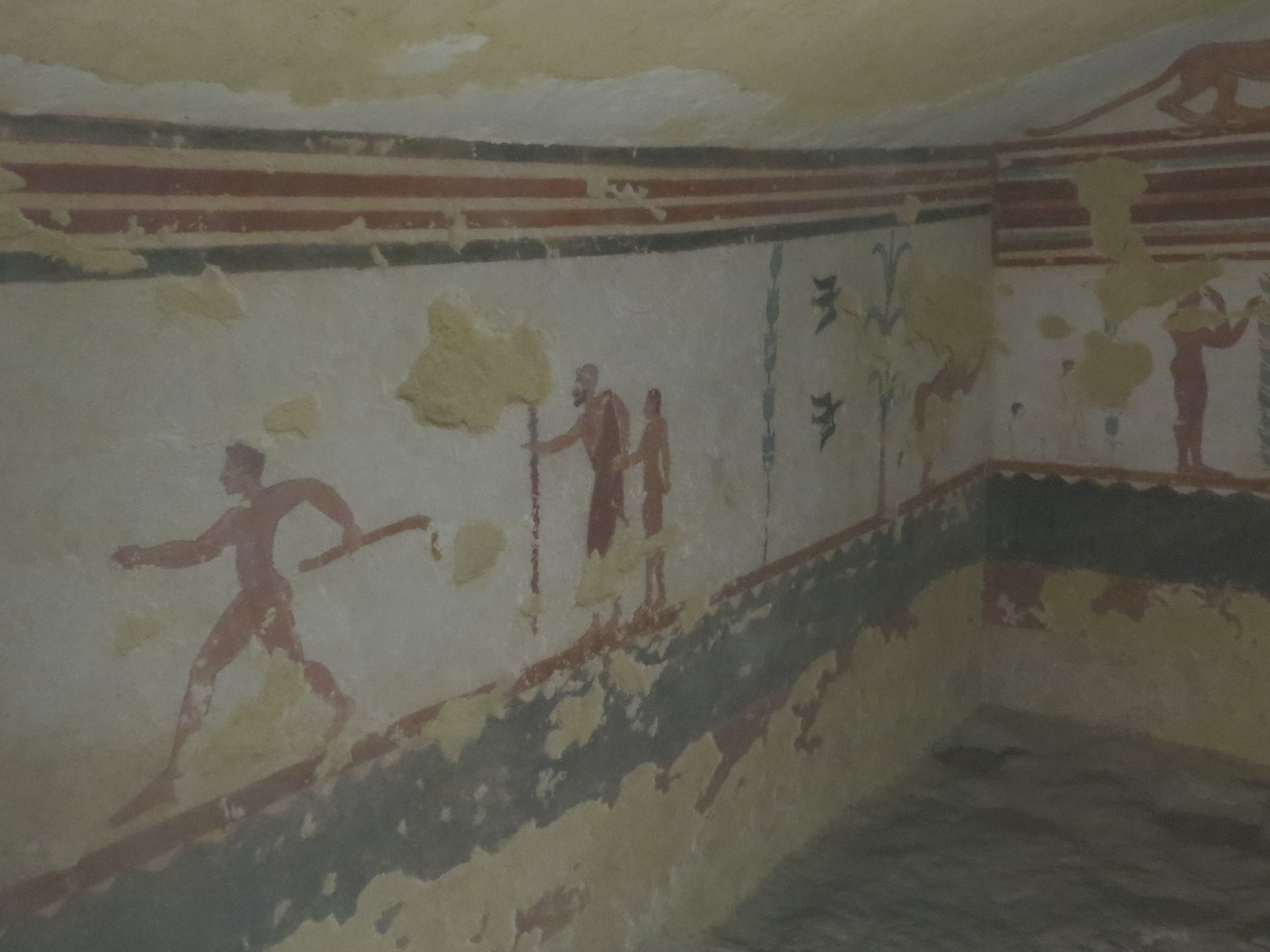
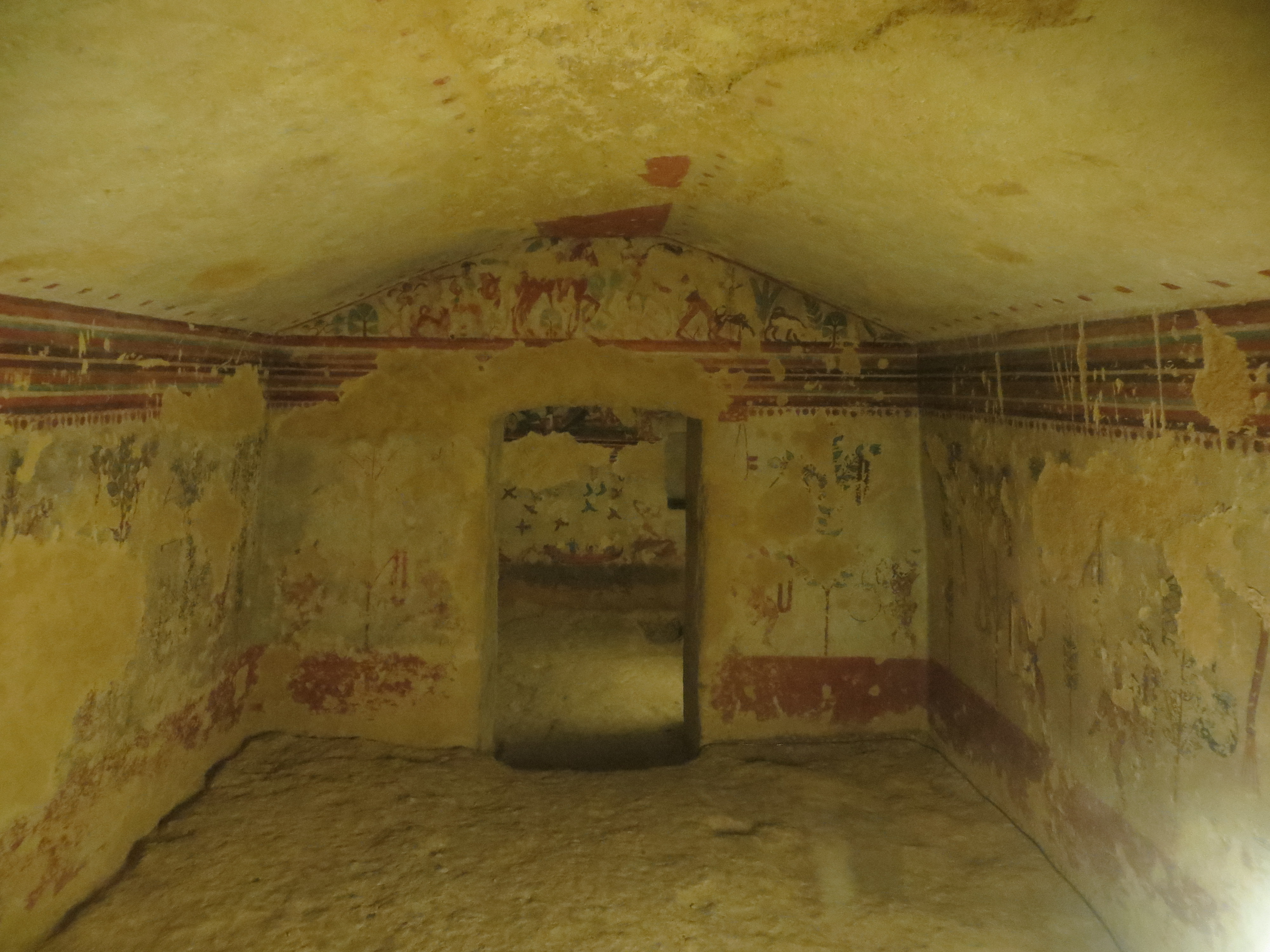
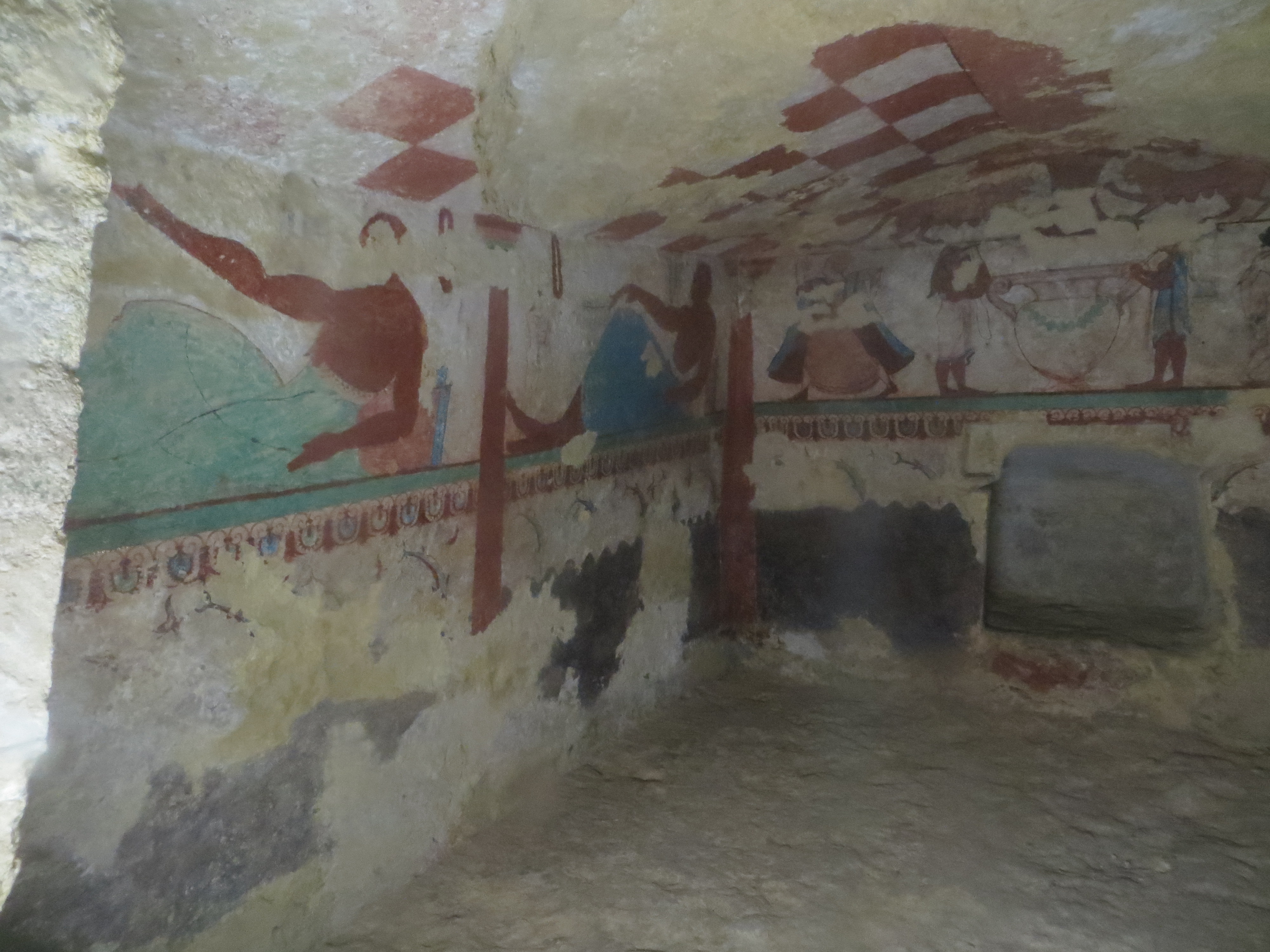
The Tarquinia archaeological museum was very interesting, packed with Etruscan, Roman and modern era artifacts.  We left to explore the tombs at the Necropoli del Calvario which were equally interesting.  The setting is a hilltop east of the town center.  The tombs date from around 500 bce and were rediscovered in the early 1900’s.  The Necropoli covers several acres with each tomb accessible through a steep stairway descending about 15 feet leading to a door with a glass window and an interior light which illuminated the tomb walls.  Most tombs were one room but some had doorways from the main room leading to other rooms.  All the tombs had beautifully painted walls & ceilings which were remarkably preserved given the age.

Europe_2014 10 16_0713

Tarquinia Italy. Our B&B was in the center building.

Europe_2014 10 16_0721 Europe_2014 10 16_0723 Europe_2014 10 16_0727 Europe_2014 10 16_0731 Europe_2014 10 16_0745 Europe_2014 10 16_0756 Europe_2014 10 16_0759 Europe_2014 10 16_0764 Europe_2014 10 16_0775 Europe_2014 10 16_0795 Europe_2014 10 16_0811 Europe_2014 10 16_0812

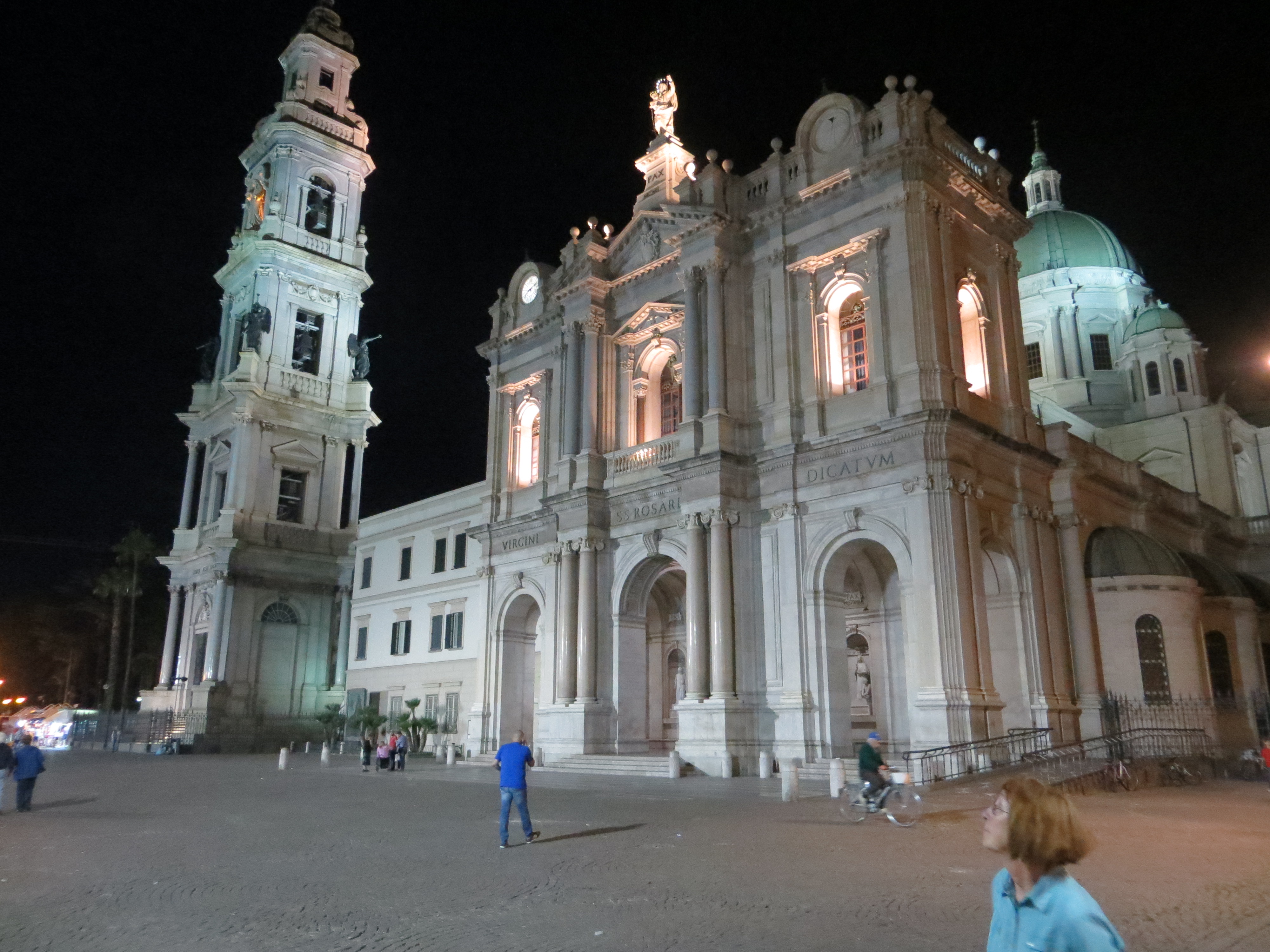
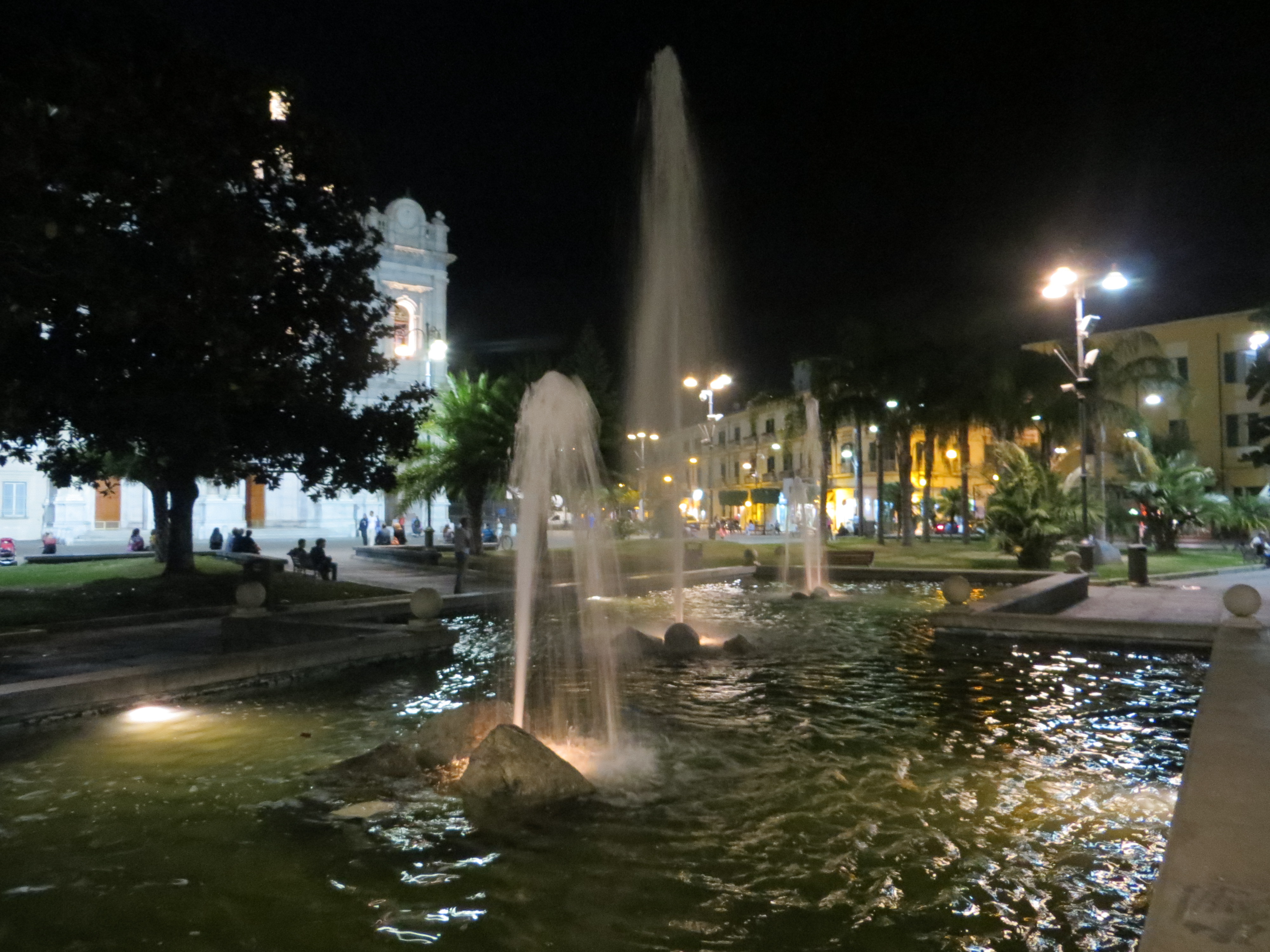
We got into Pompei that evening after a 3-hour drive, mostly on a toll road at about 80mph.  We walked to the square in front of the cathedral then had a great diner at a restaurant nearby the Diana Inn.

15 Oct Orvieto and Palazzo Rosati, Tarquinia

On Wednesday 15-Oct we checked out of the Agriturismo Il Melograno B&B in Pianello and drove south. Our first destination was Orvieto, a place John fondly remembered for its unique setting and beautiful cathedral. Ultimately we were heading for  on Italy’s west coast, site of a UNESCO world heritage necropolis with BC tomb paintings.  (Tarquinia is about a two hour, 100 mile drive south of Piombino & Polulonia where we had been working the week before.)
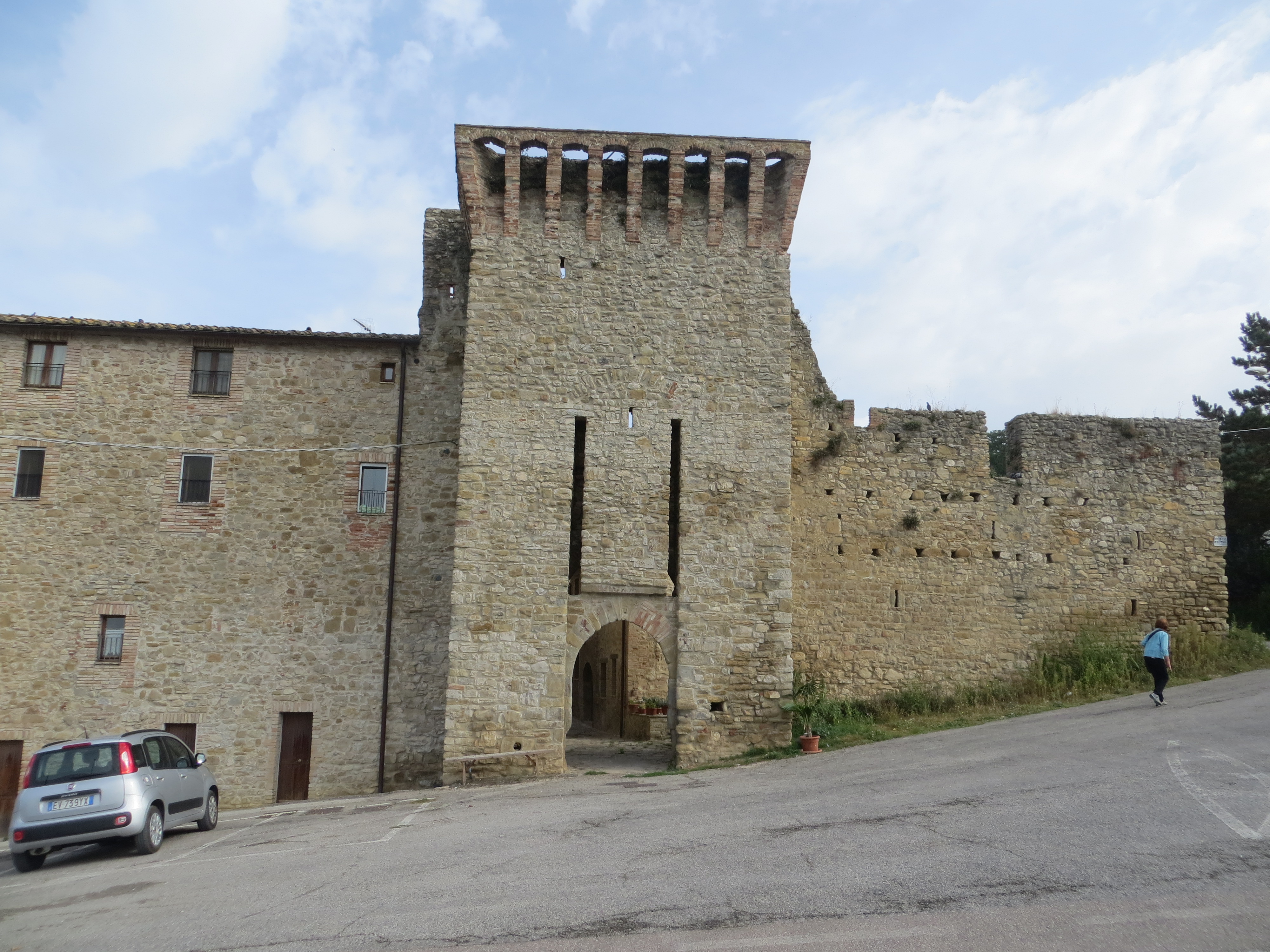
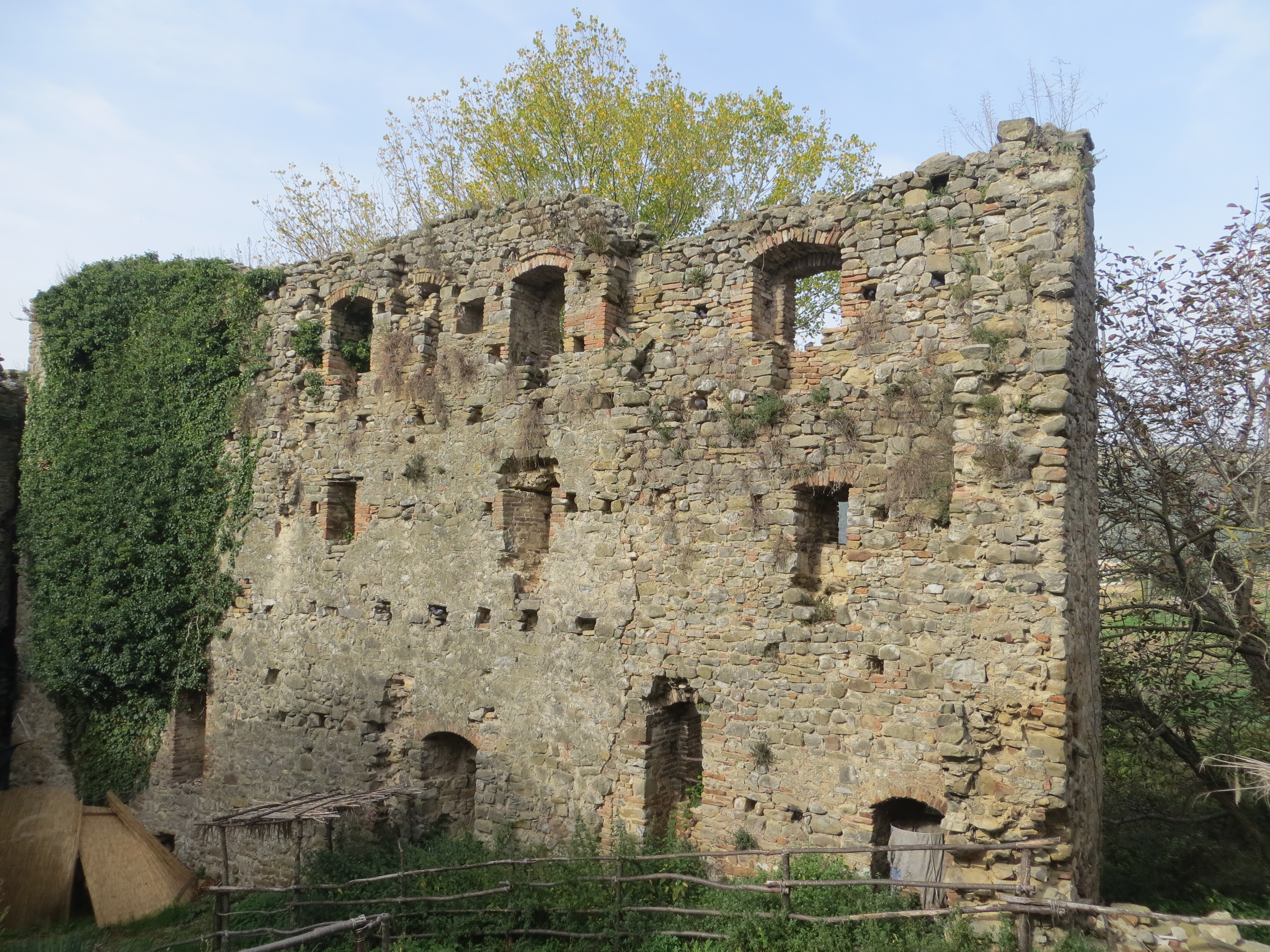
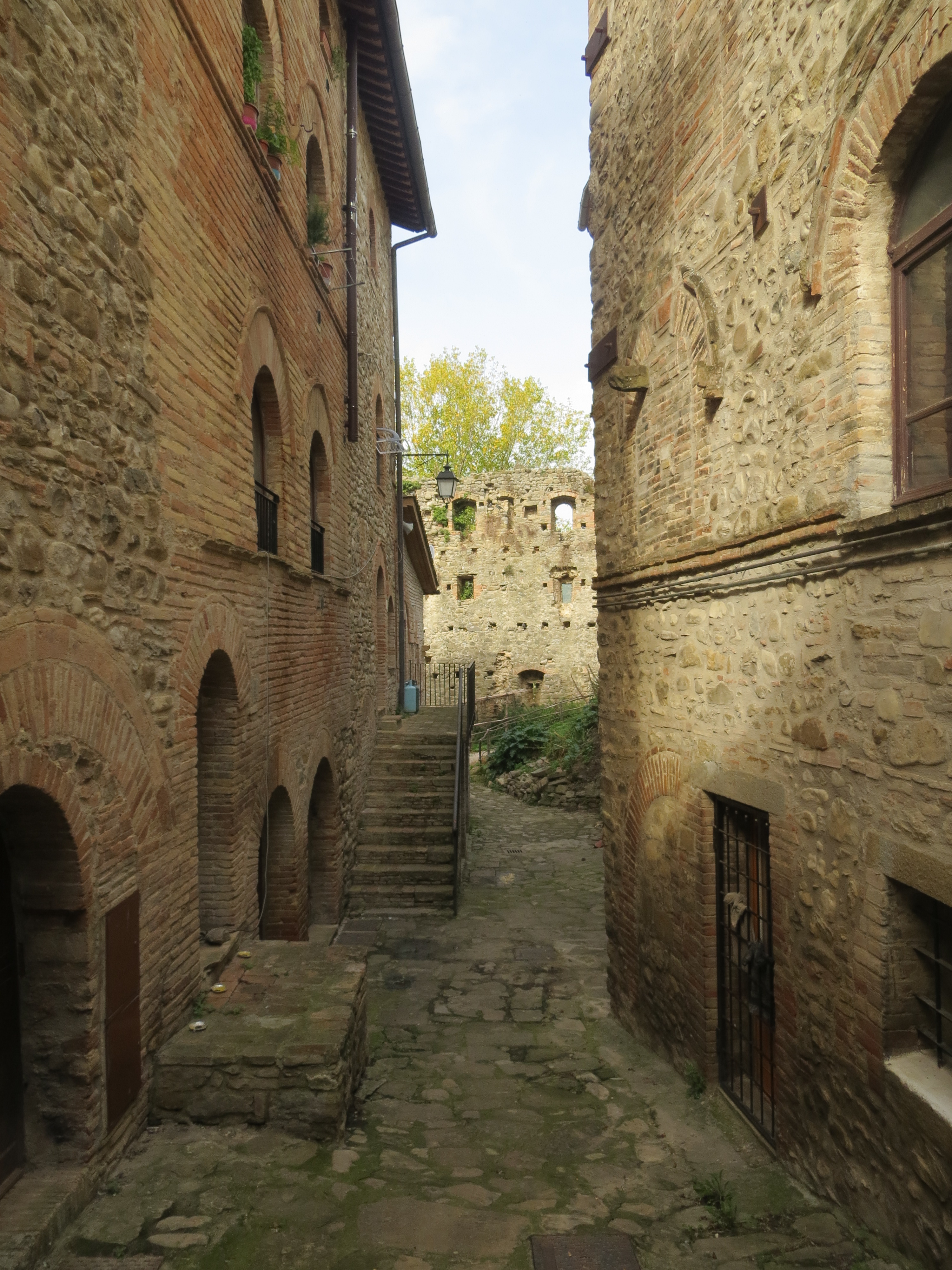
While driving late the night before, we had encountered a small medieval fortress in San Gregorio near to Pianello so we visited there first. The road-side castle, Piazza e porta di San Gregorio, had the look & feel of a whole citadel but the back walls have fallen. With few signs and no one around, we were left to imagine what its history was. It could easily have been a movie set, but it had apartments for rent.
To get to Orvieto from the main North-South motorway we chose to head east on small roads over a steep ridge of maintains and through a national forest instead of veering south then north on the main roads.  It was beautiful country & we encountered two large deer with moose-like antlers along the roadside.

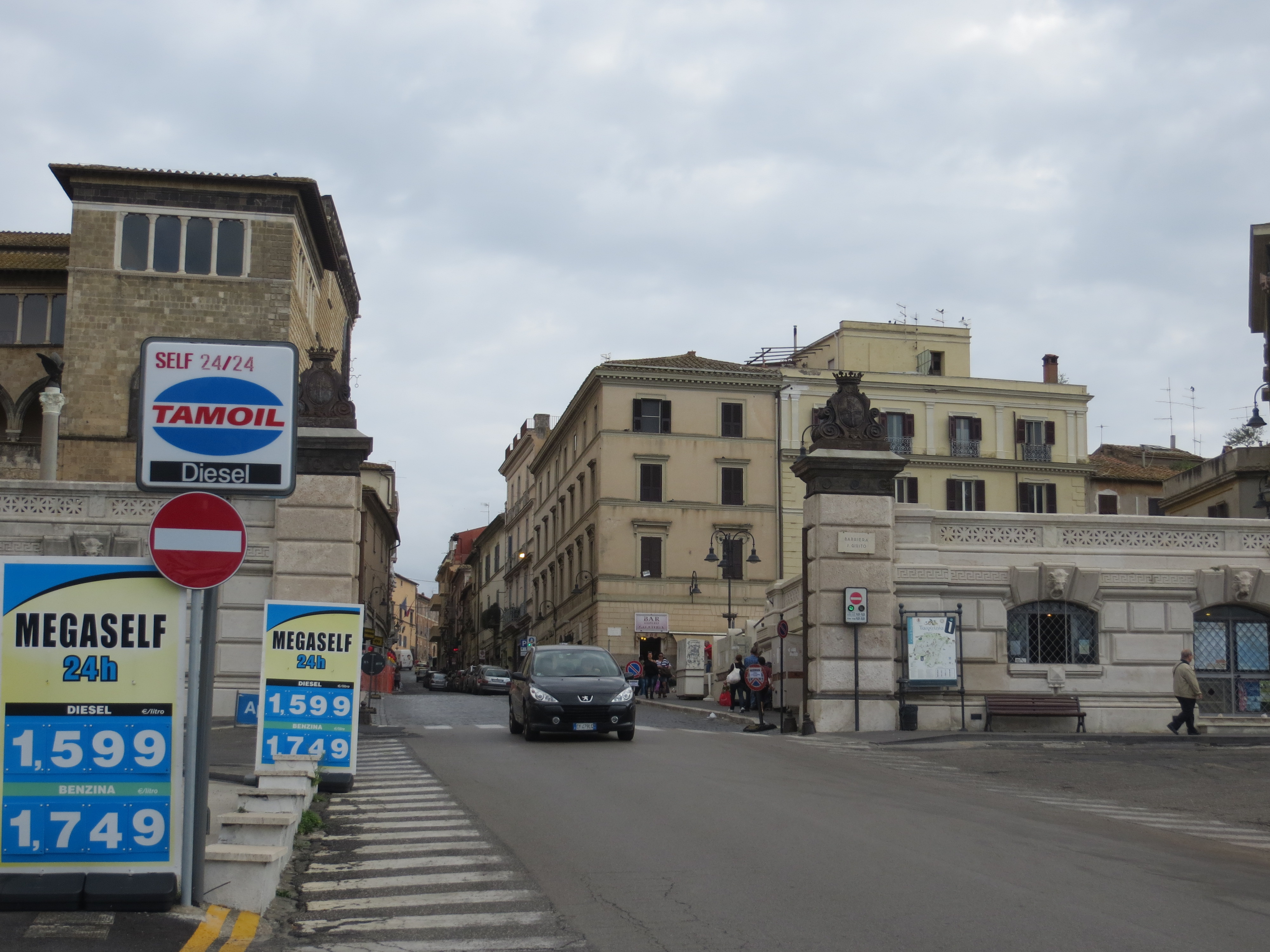
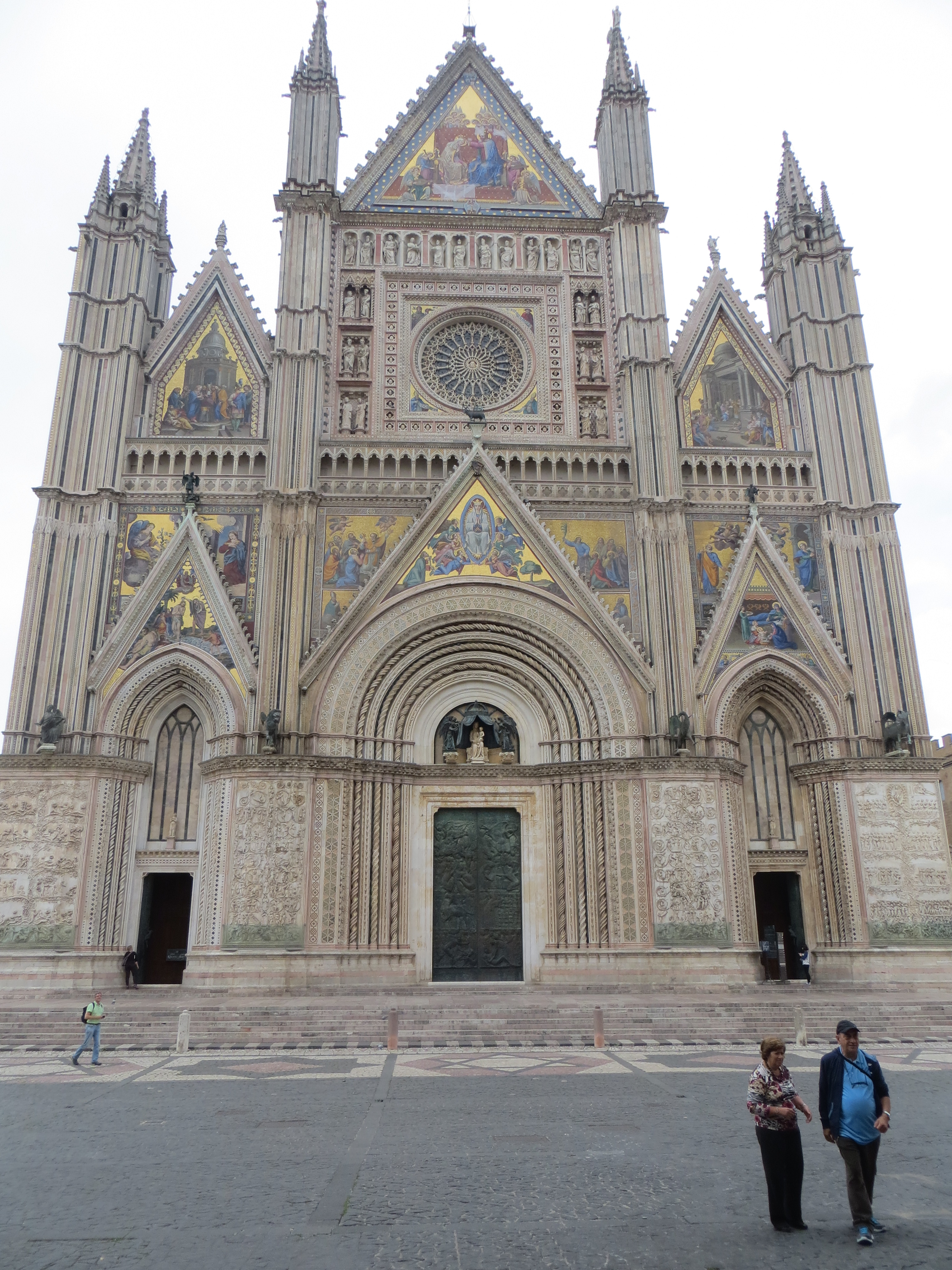
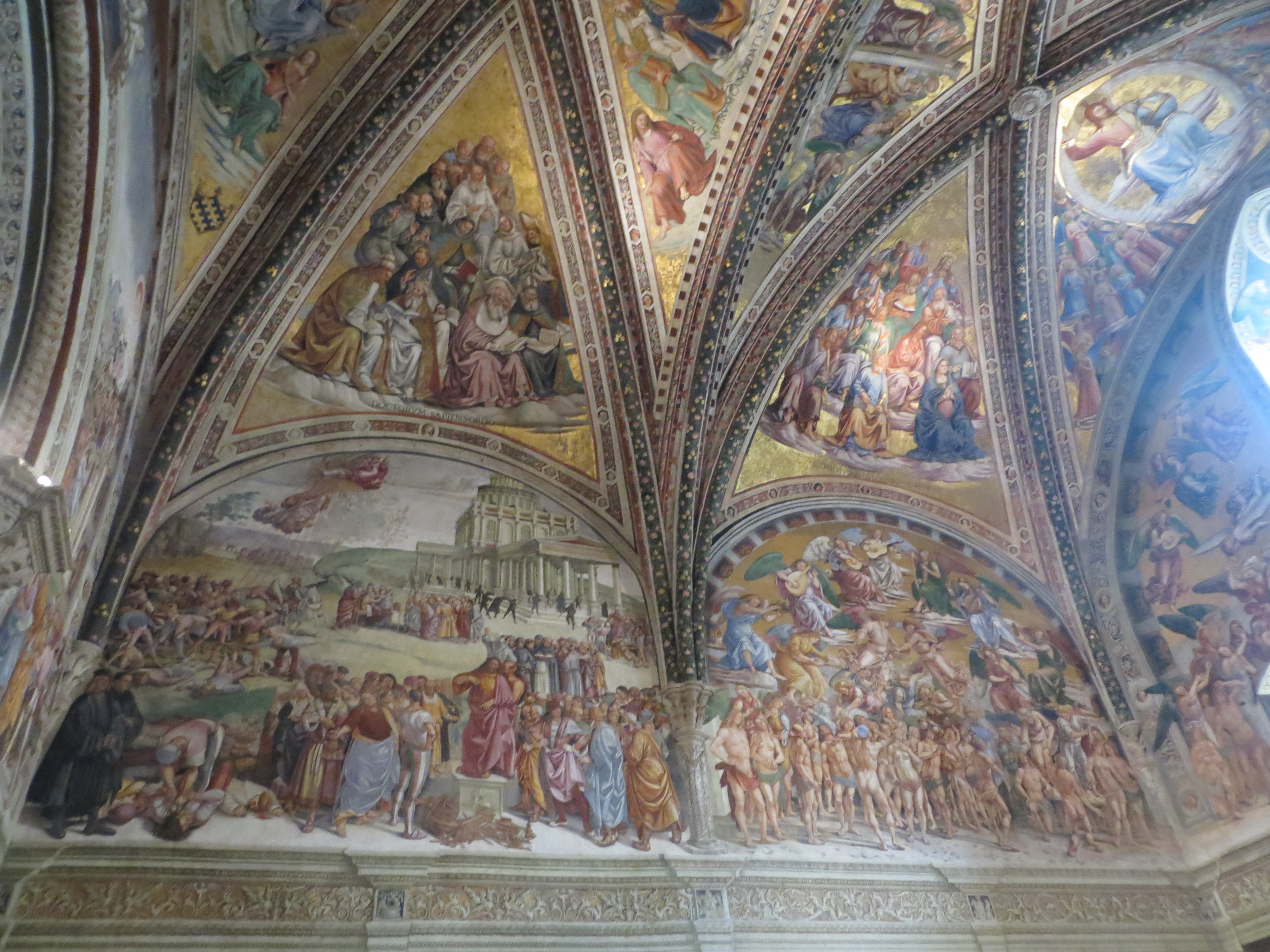
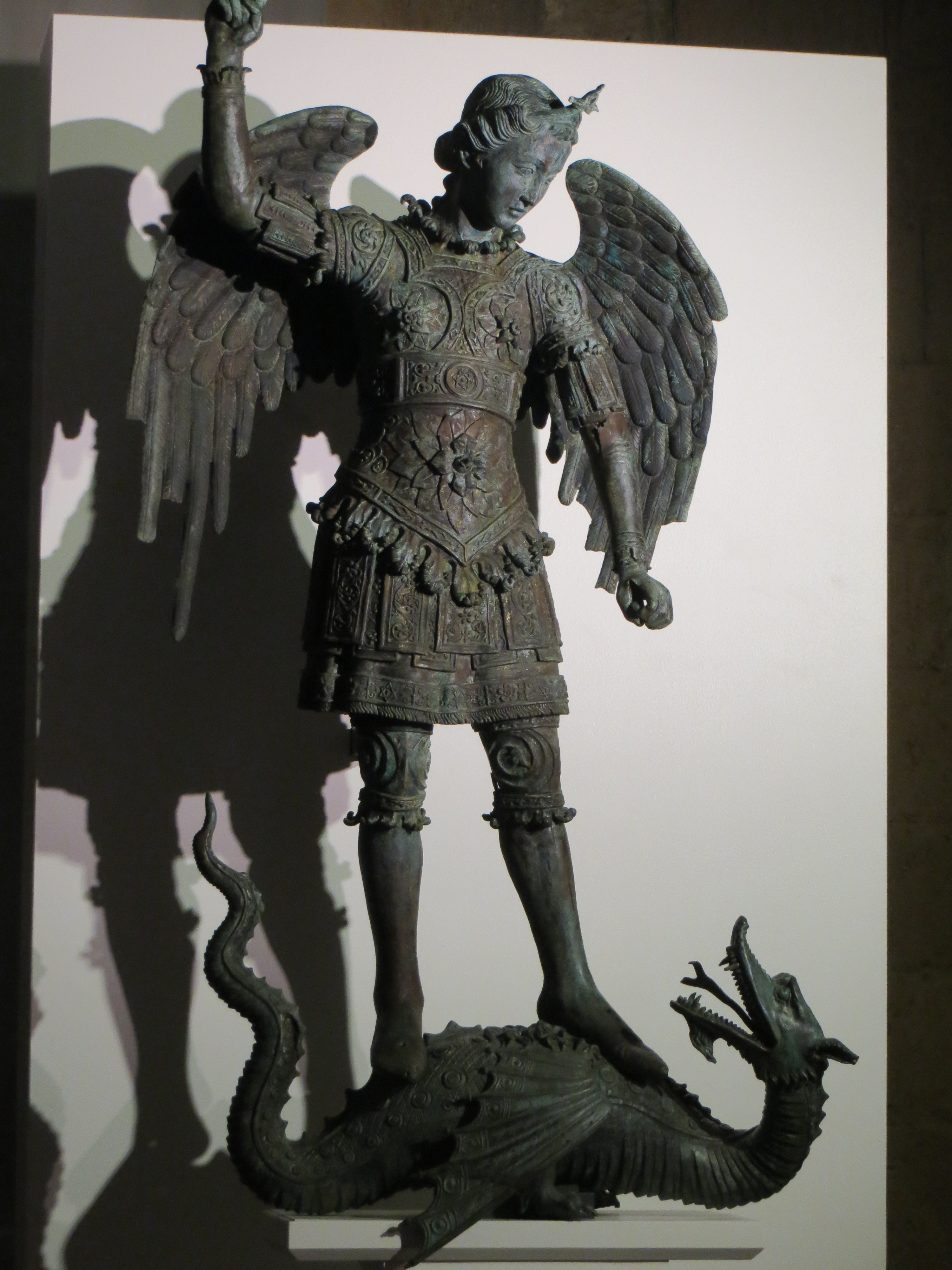
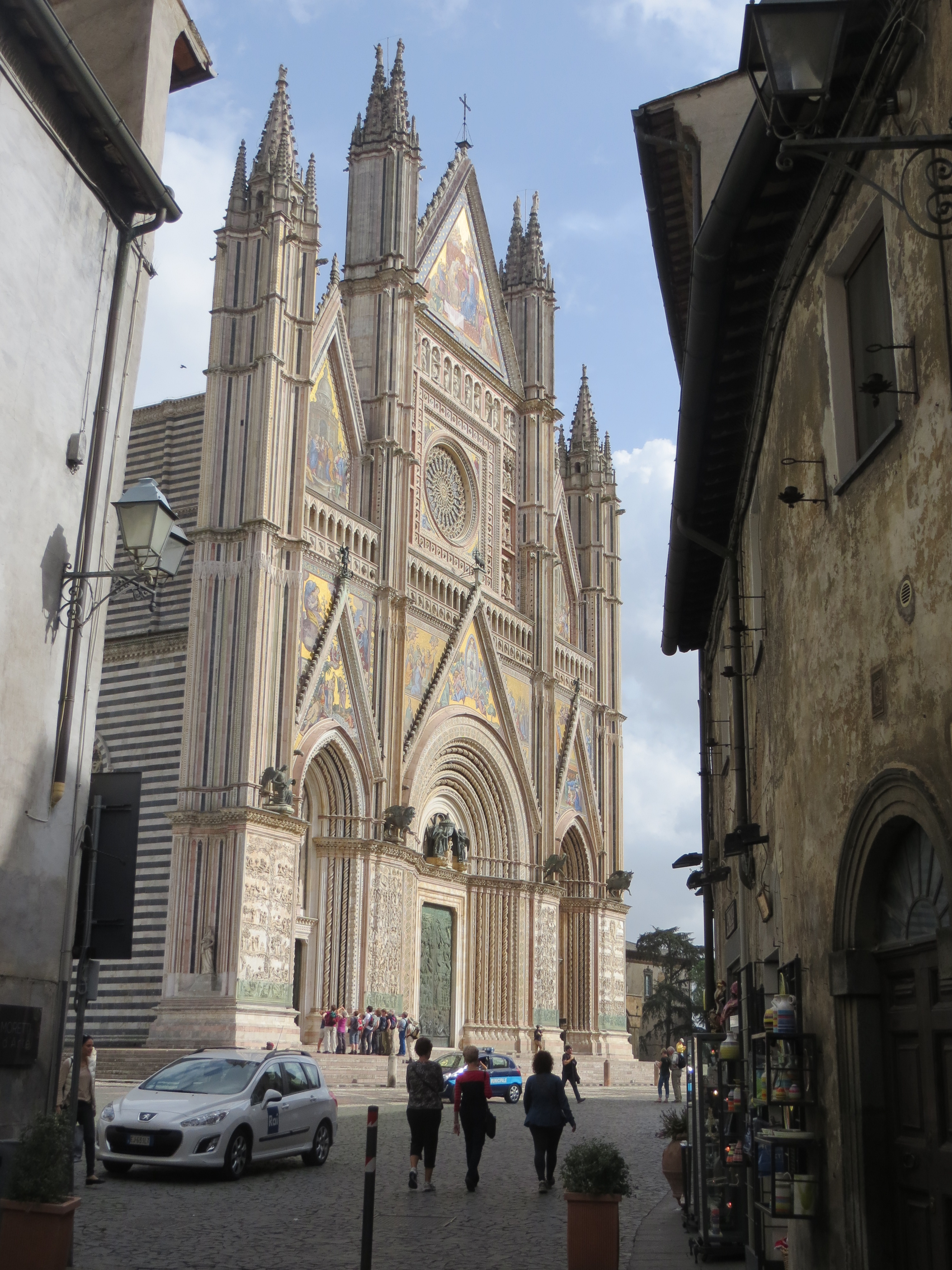
We toured Orvieto’s cathedral and museum, had a delicious lunch (John thought it was the best lasagna he’d ever had) and then drove on to Tarquinia.  Arriving in Tarquinia in late afternoon, we found ourselves driving within the castle’s walls on a maze of streets barely wide enough to fit the car while looking for a likely B&B.

Jessie fired up her iPad and found a recommended B&B – the Palazzo Rosati – that was near-by and we settled in there for the night.

Europe_2014 10 15_0823

Piazza e porta di San Gregorio, near Pianello Italy

Europe_2014 10 15_0828 Europe_2014 10 15_0825

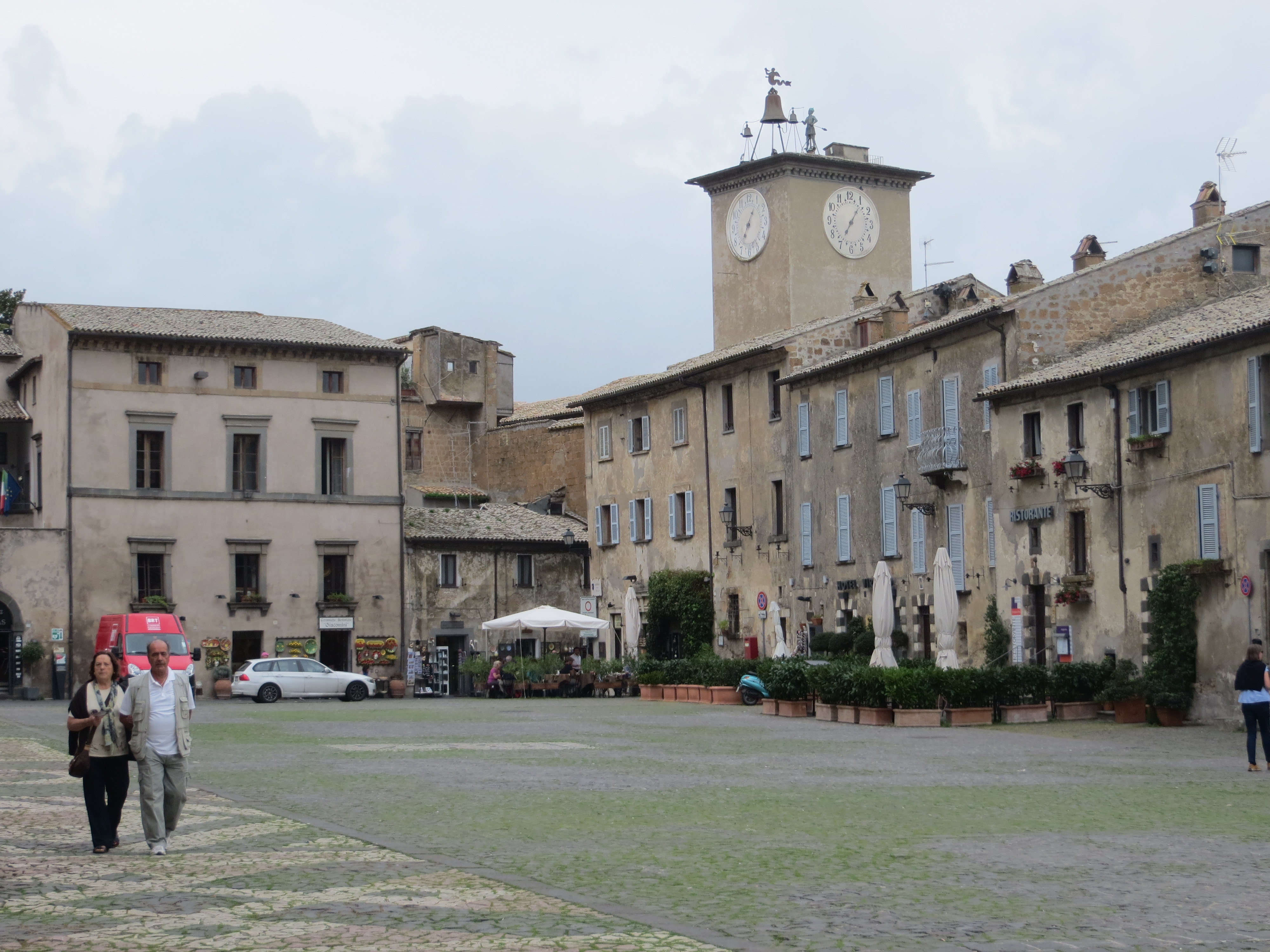
Europe_2014 10 15_0831

Orvieto’s main square

Europe_2014 10 15_0833 Europe_2014 10 15_0836 Europe_2014 10 15_0841 Europe_2014 10 15_0845

Europe_2014 10 15_0847Tarquinia, Italy

14 Oct Pianello (near Perugia), Gubbio, Assisi

On Tuesday 14-Oct under a threateningly overcast sky we drove out of the driveway of Agriturismo il Melograno in Pianello and turned left.  We didn’t know the area and thought vaguely that we’d head to Assisi nearby, but decided to see where this road we were on would lead.

(Ed: The thing about using GPS to navigate strange lands is that you don’t get a sense of place, of where other interesting places are in relation to you.  I wanted to just see some of this area without direction.  The Garmin Nuvi GPS model we had, with a 2014 Europe NT chip installed, worked well for the most part, but did feed us some consequential misdirection at times.  In directing us to a B&B, GPS had us driving on a single track farm road leading into a old olive orchard high on a hillside. [B&B said happens often.] And without a ‘city center’ choice just to get you in the area [ie Peruga, Siena] you’re forced to choose a likely address, sometimes sending you way off.)

Europe_2014 10 14_0922

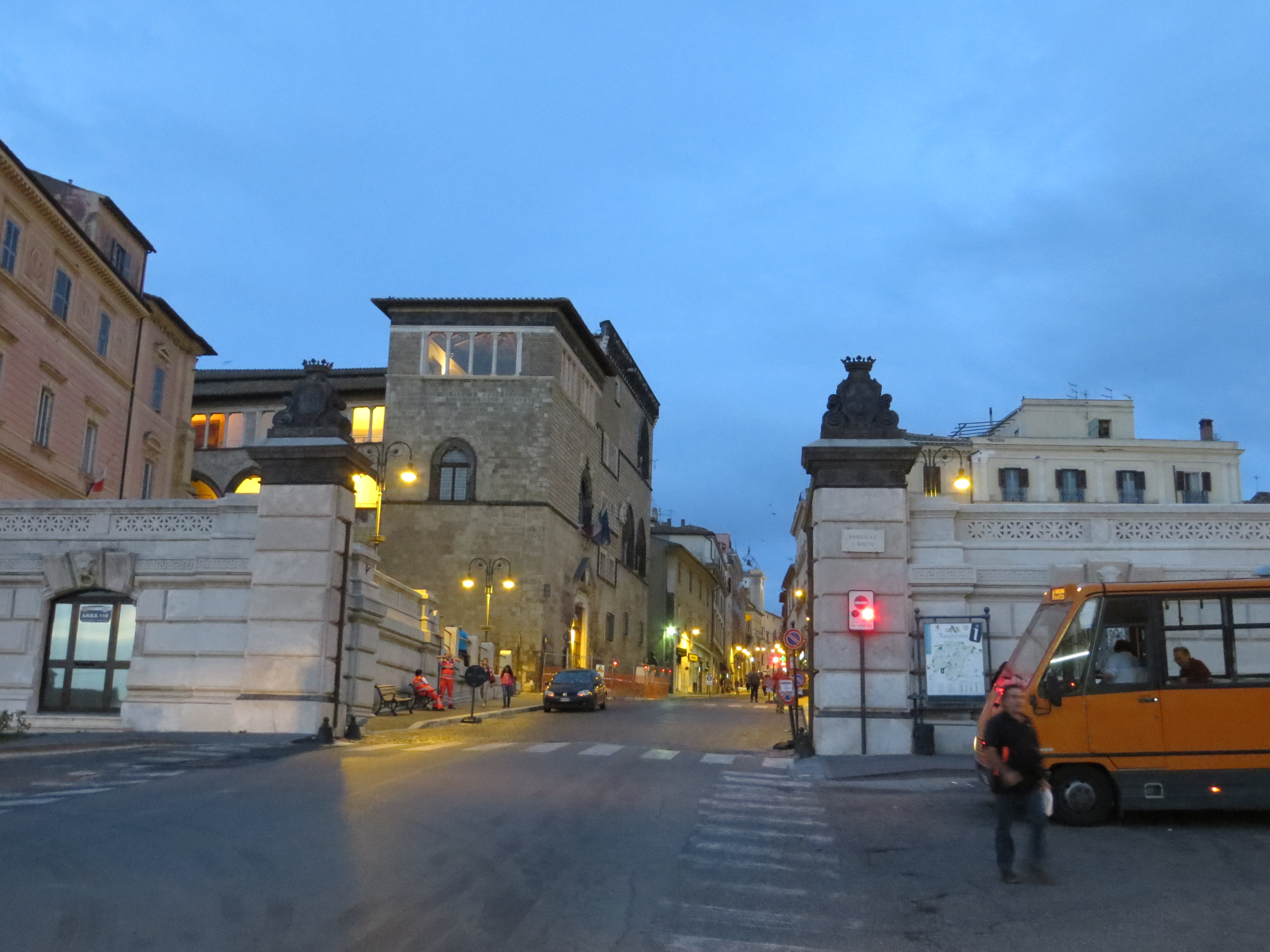
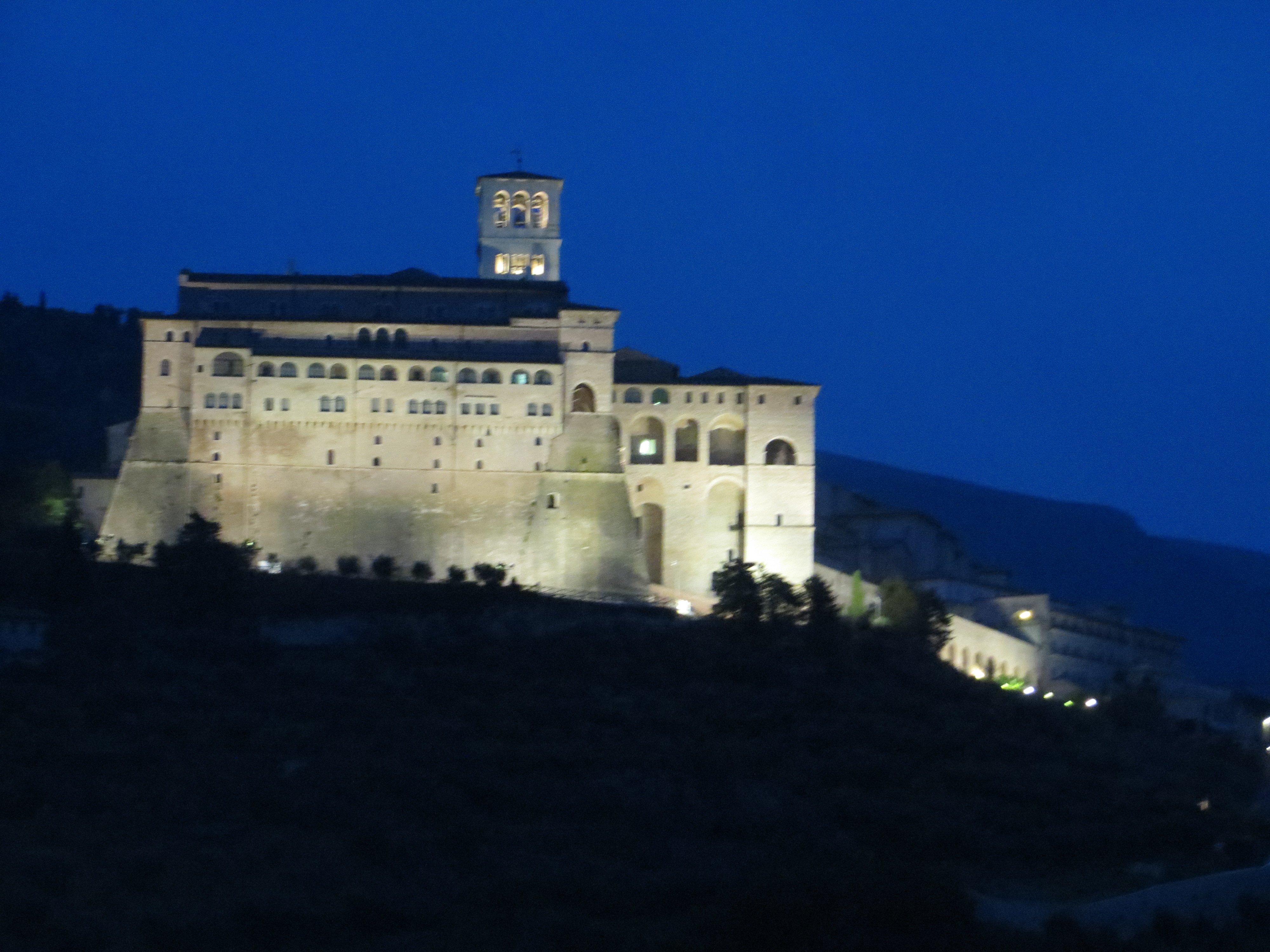
Assisi at night

Europe_2014 10 14_0925

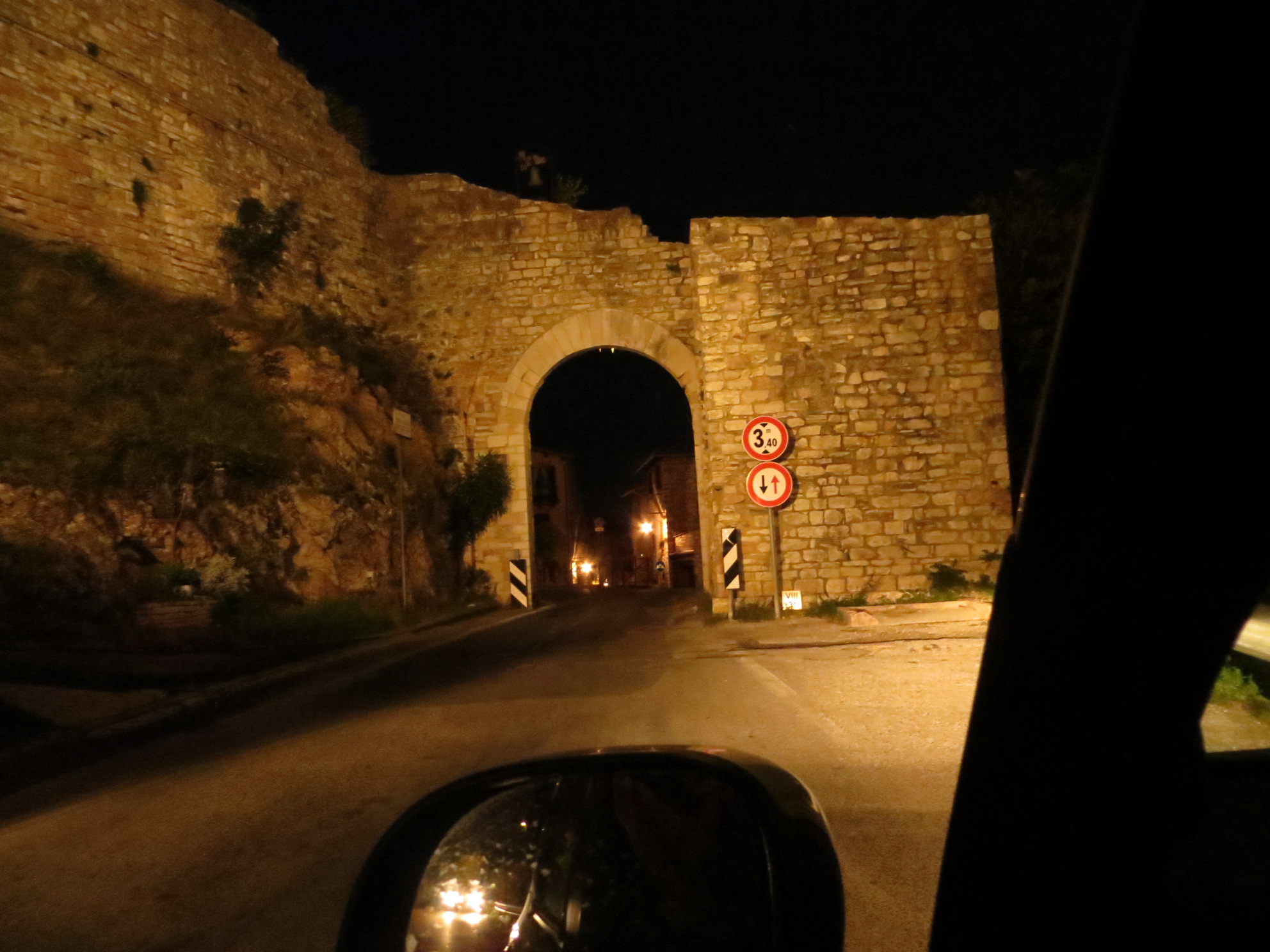
Assisi entry gate at night

Europe_2014 10 14_0927

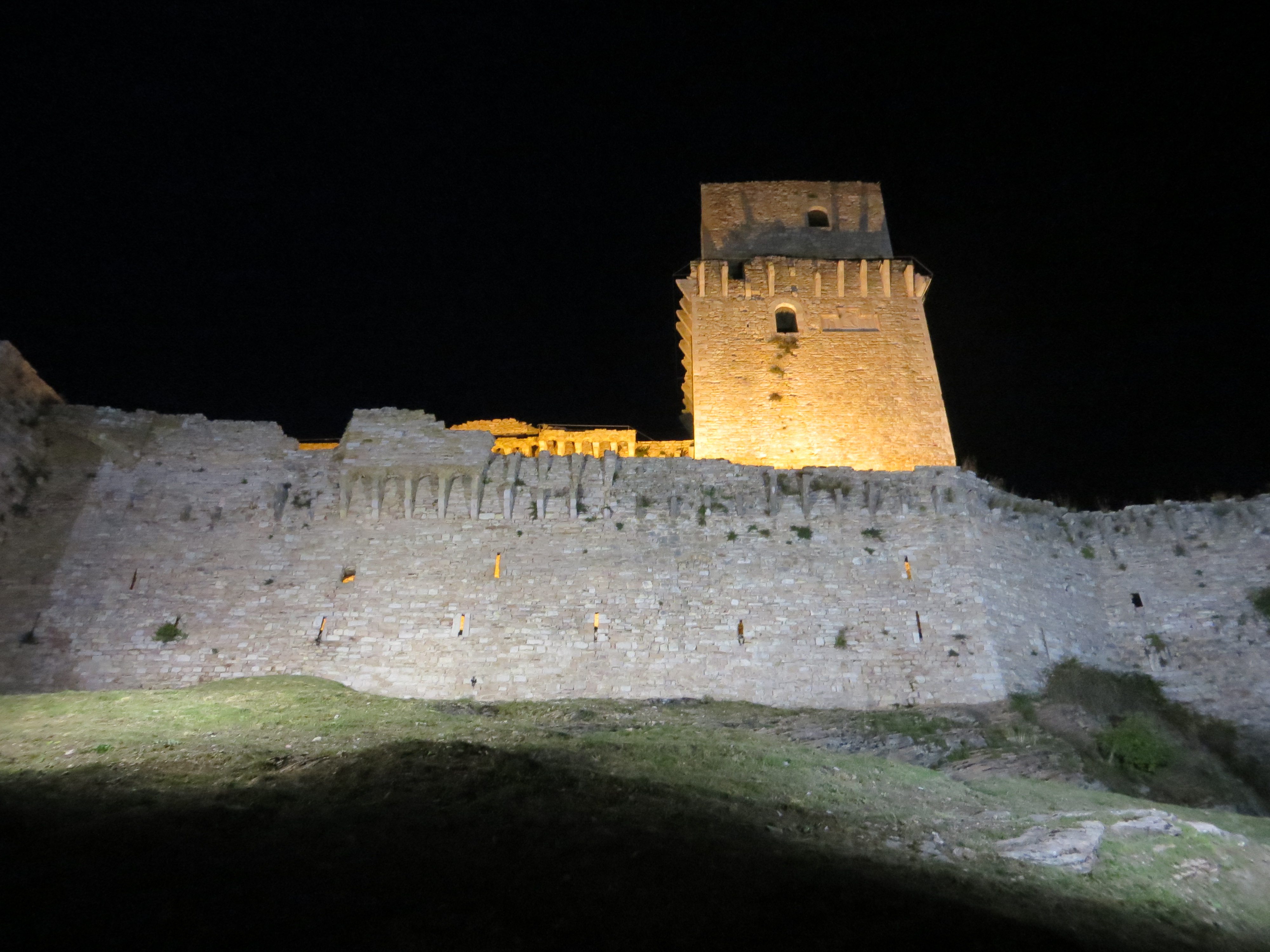
Assisi fortress at night

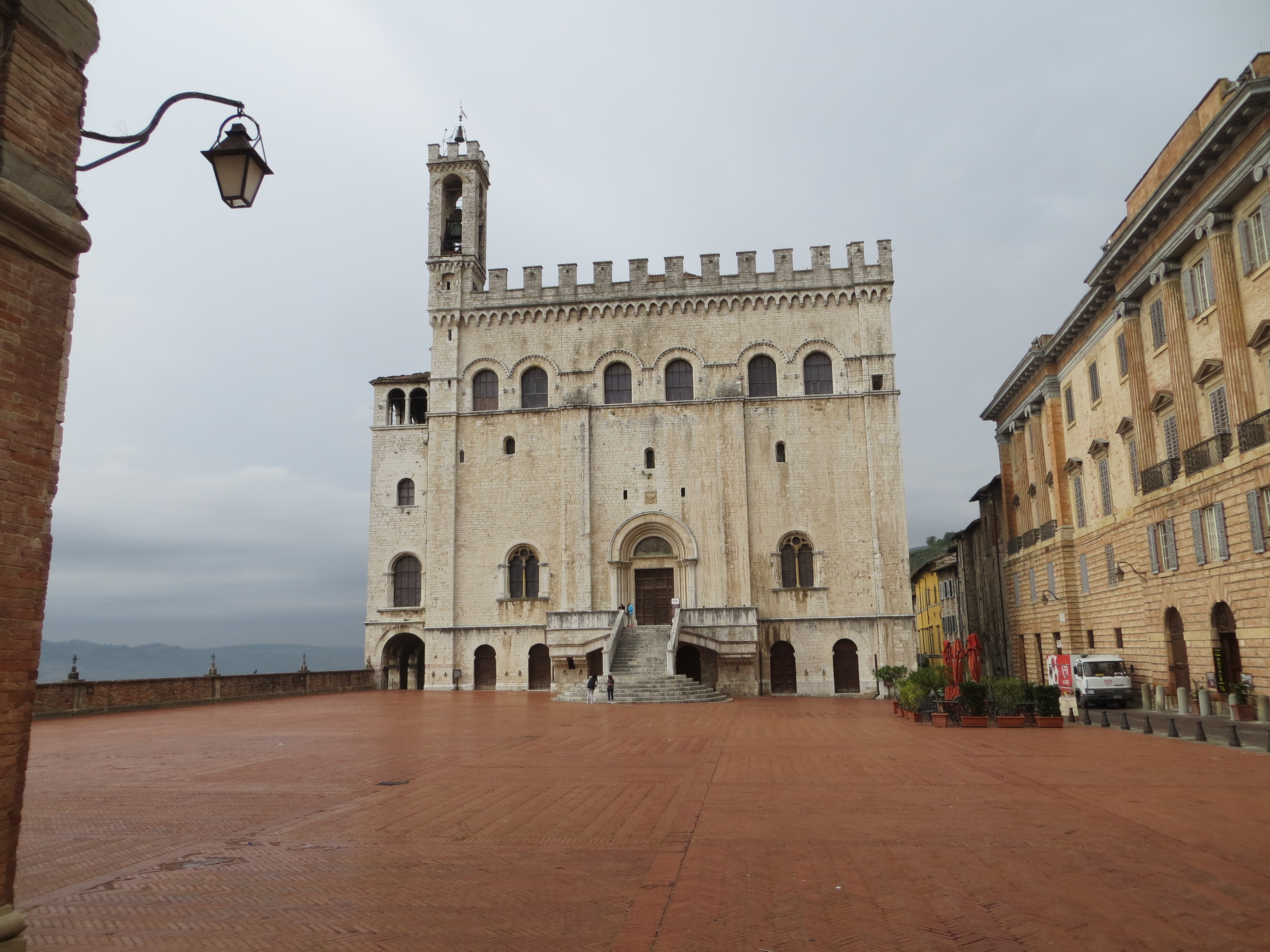
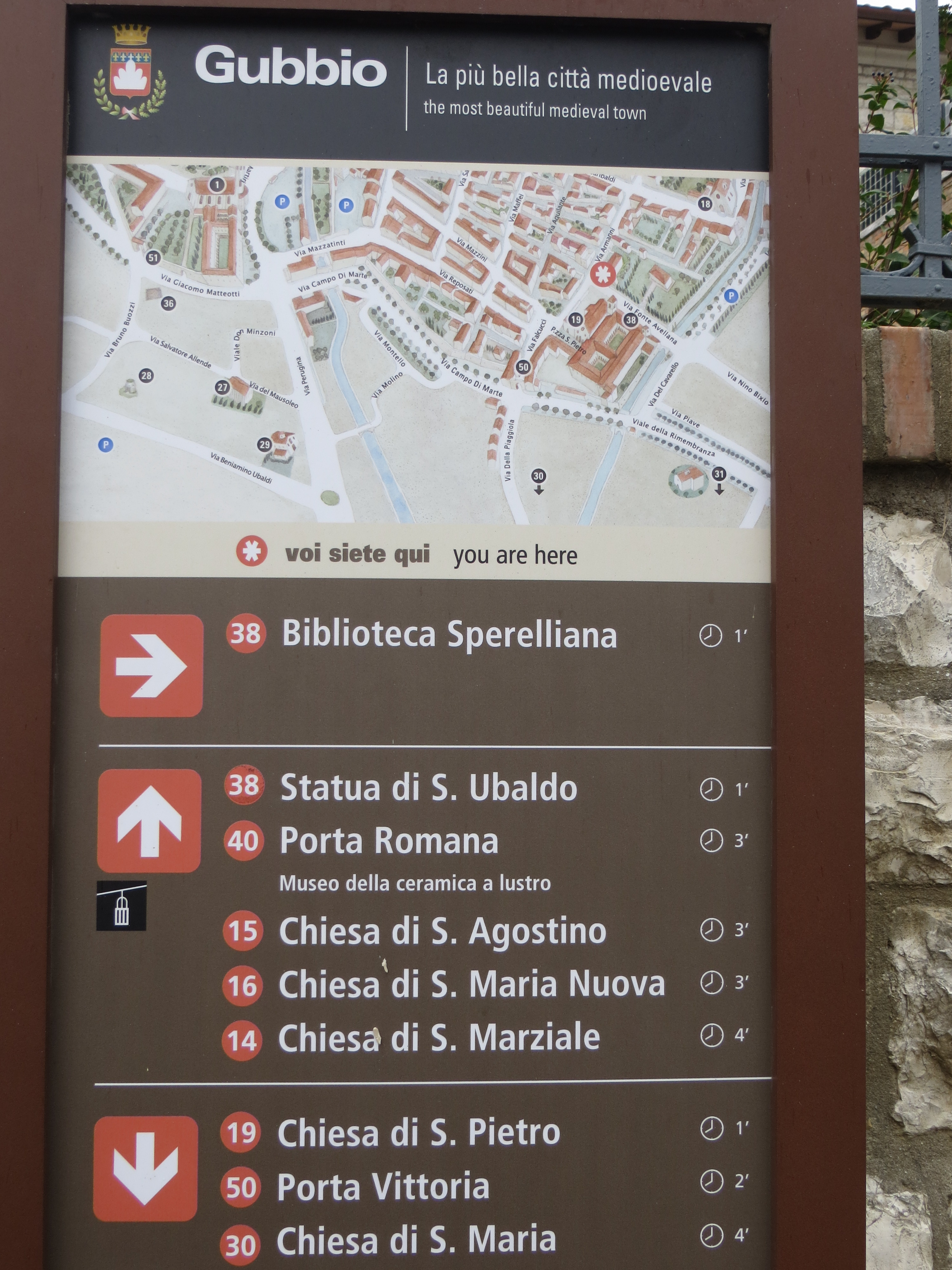
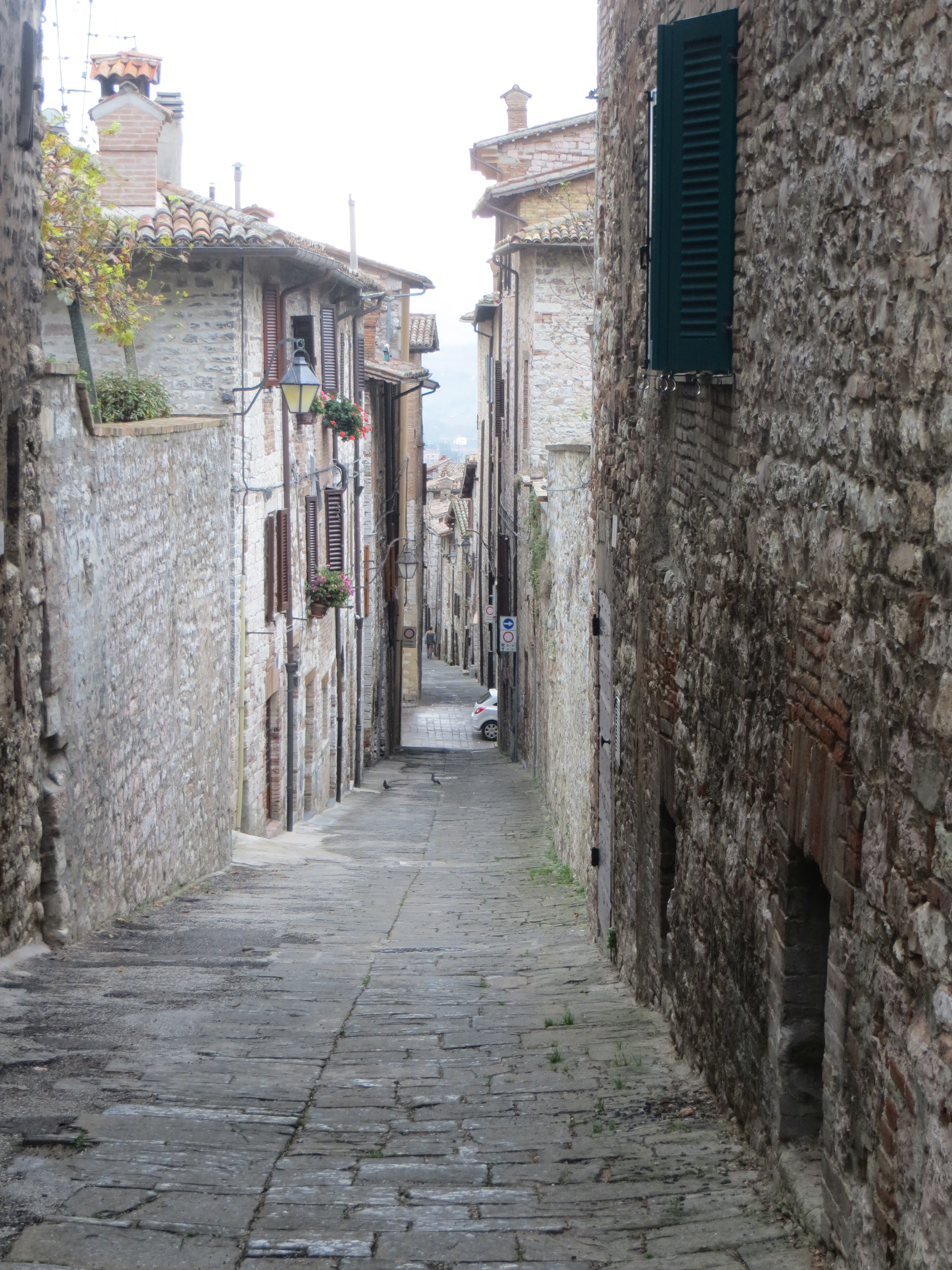
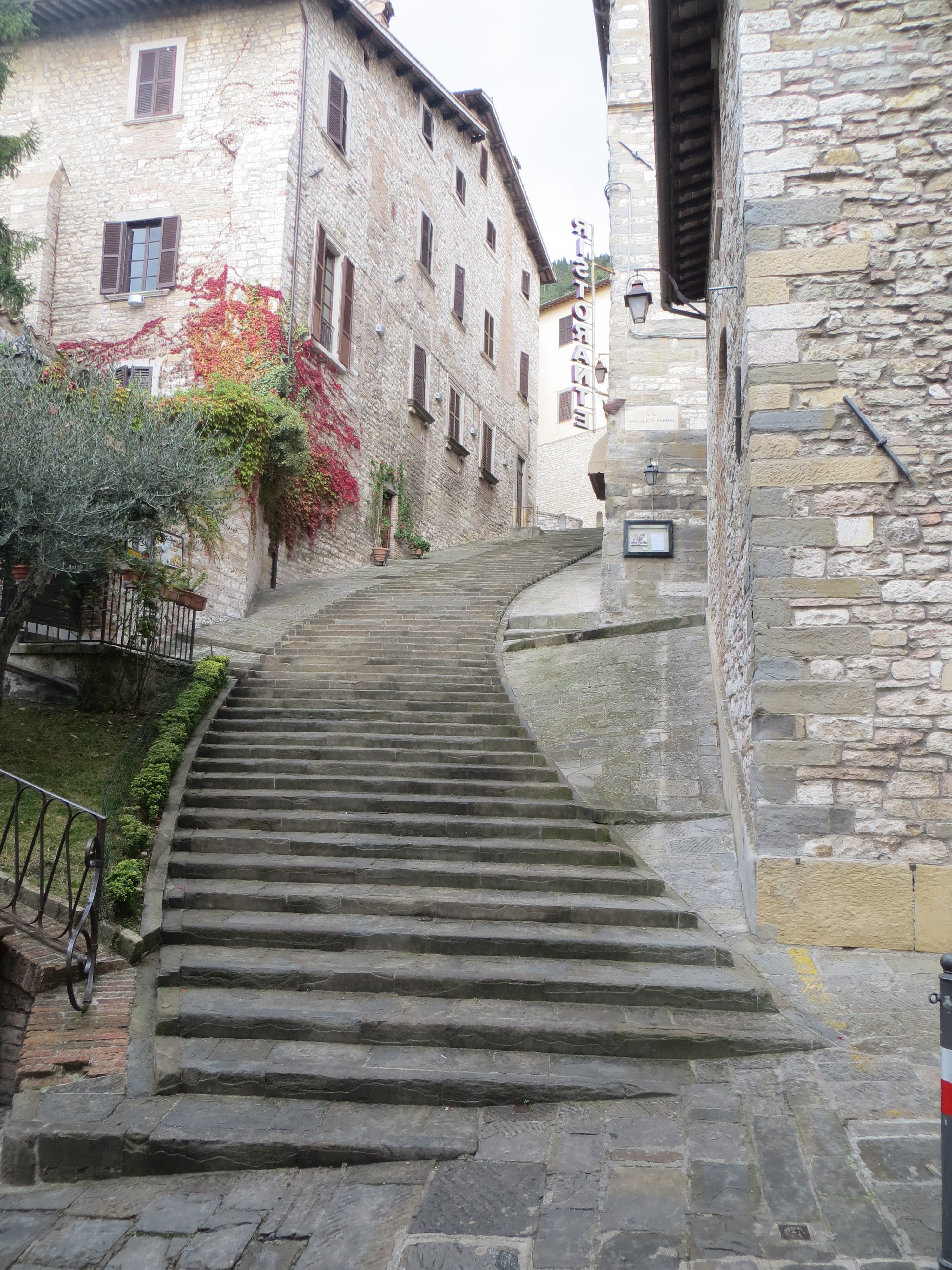
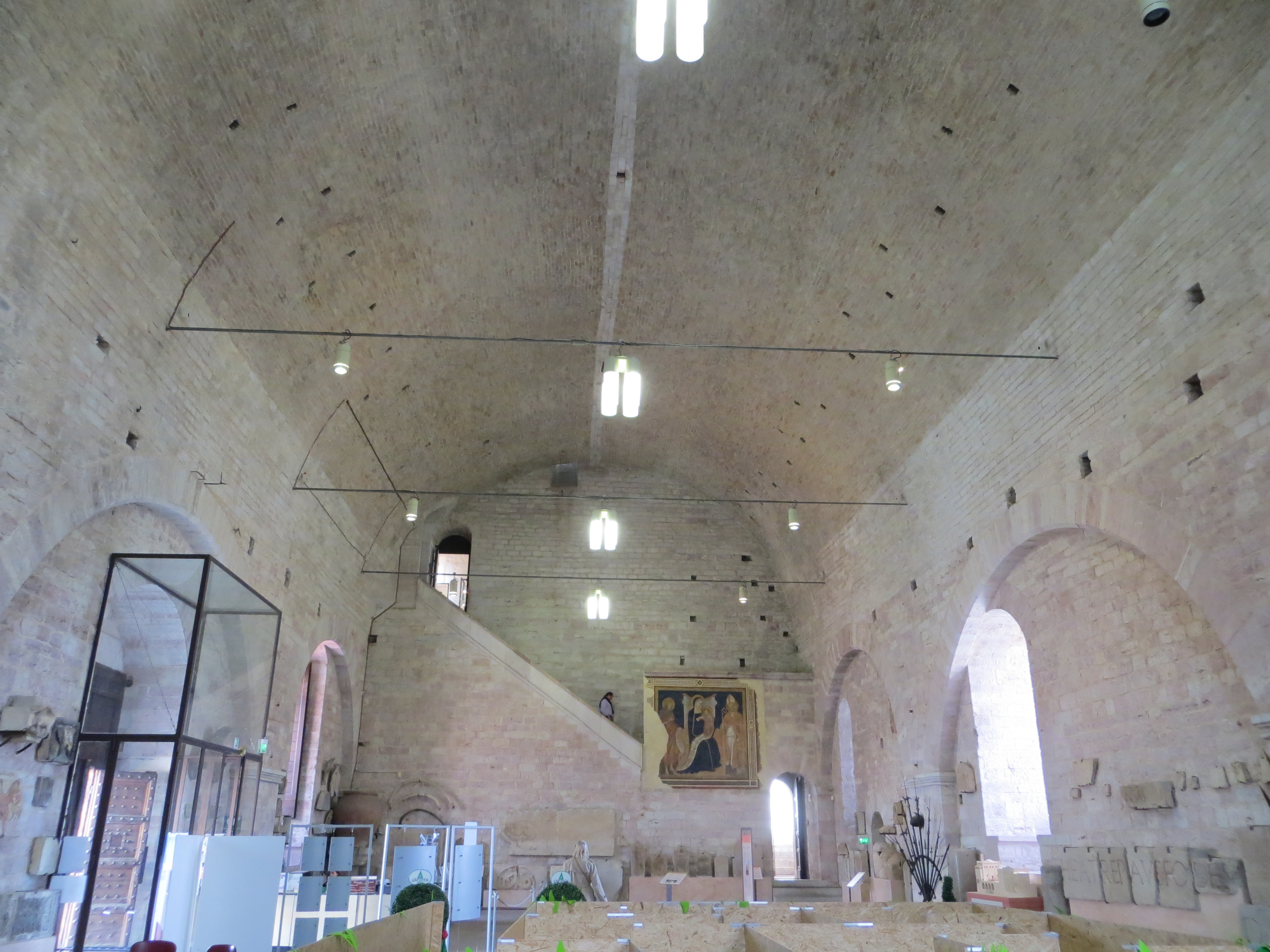
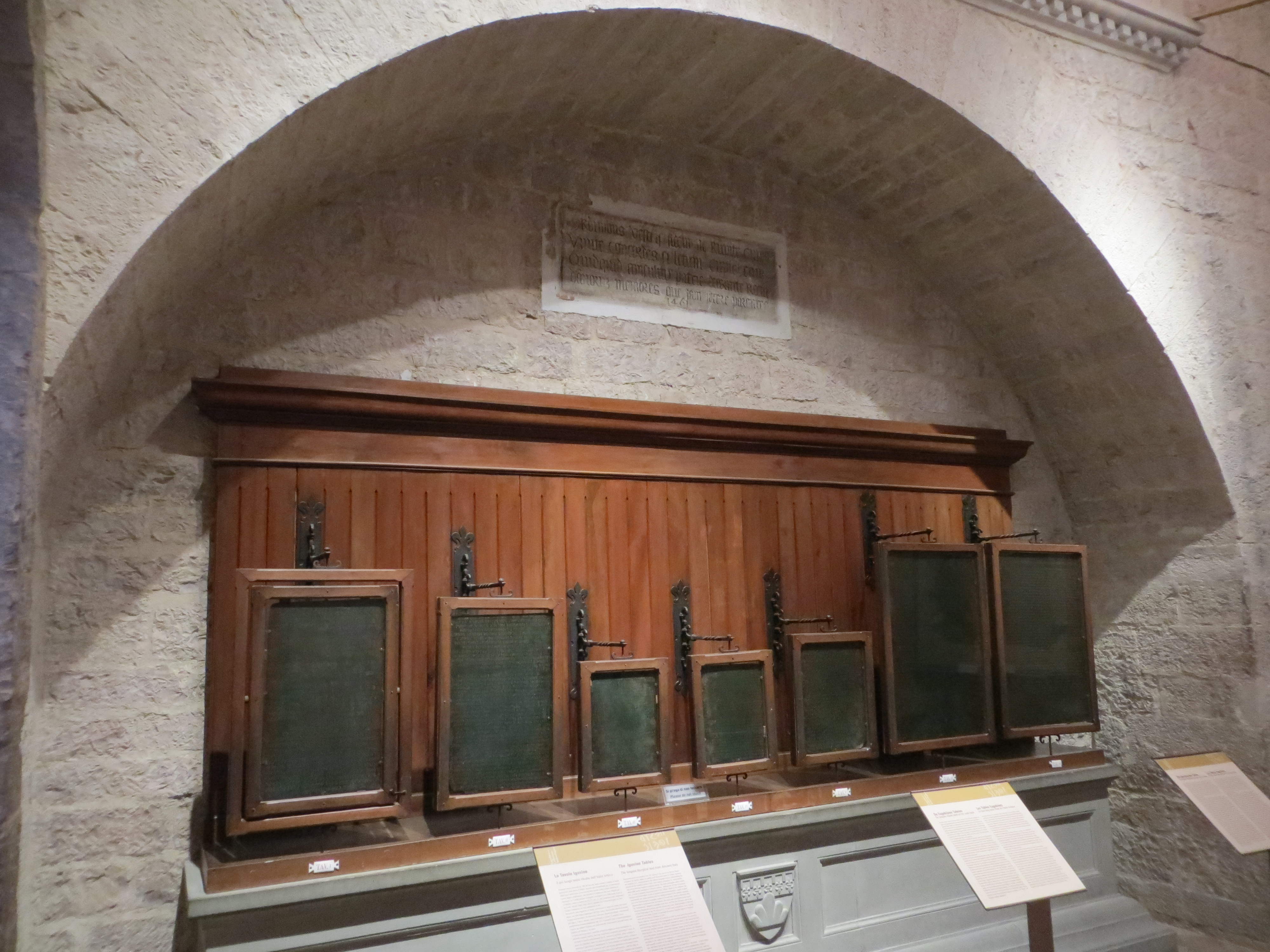
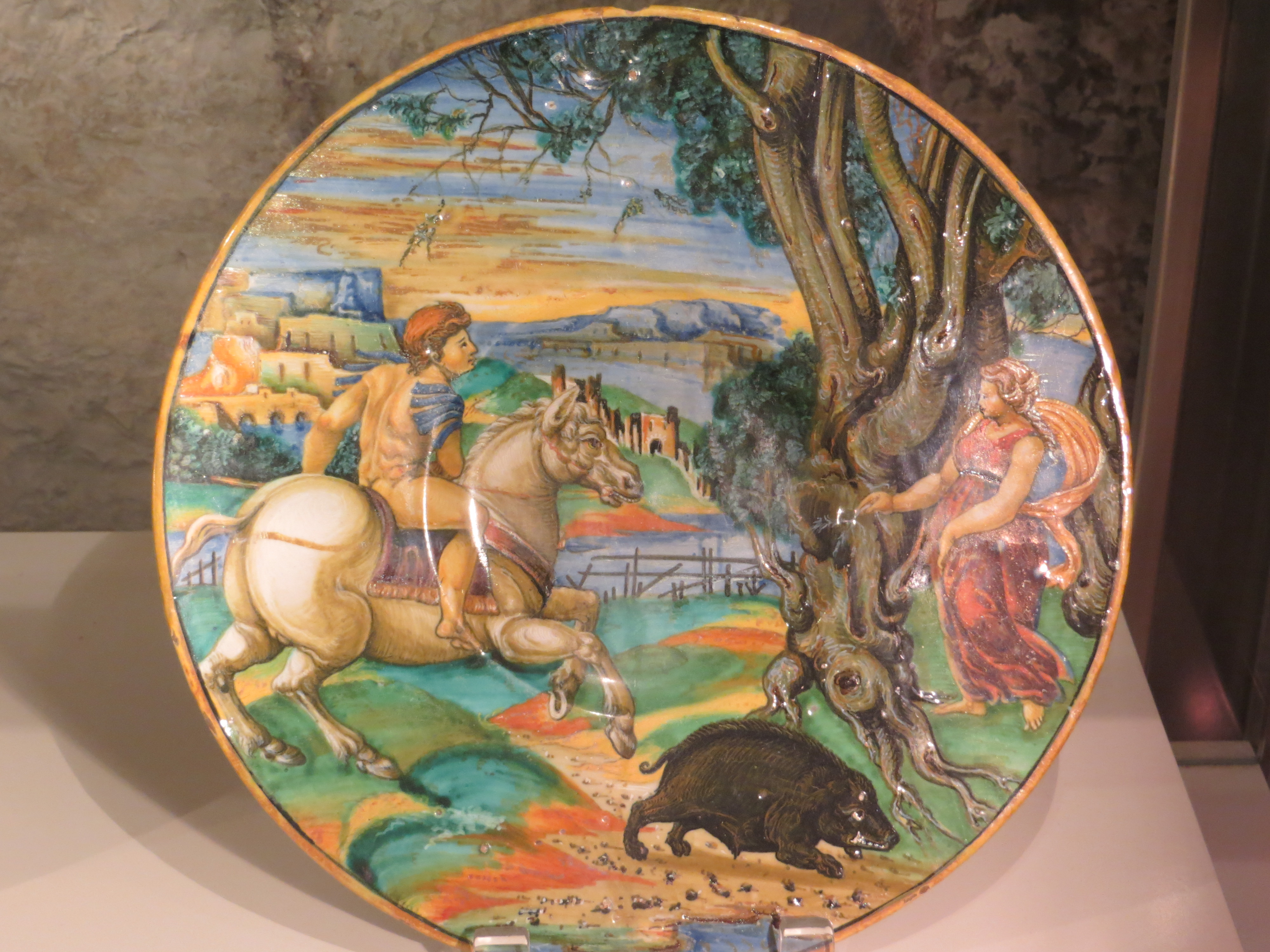
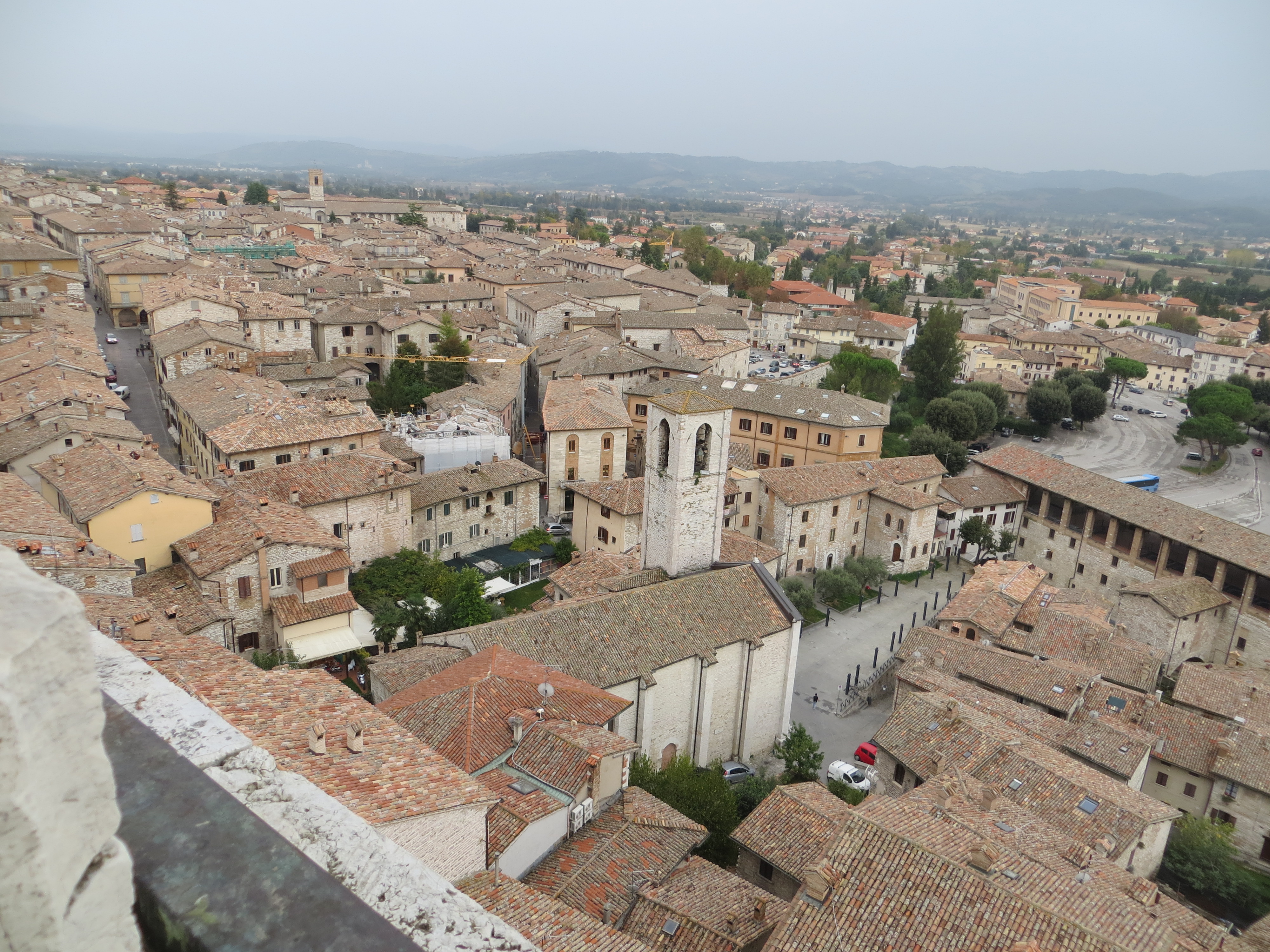
The road led us through a range of steep hills northeast to Gubbio, an ancient hill-side town in Umbria.  We got there around noon and found it to be charming and off the beaten tourist track.  We wandered the town for awhile dodging rain showers and found the main square in front of one of the earliest public buildings in Italy, Palazzo dei Consoli.  From Wikipedia: Gubbio was “made famous for the discovery there of the Eugubine (or Iguvine) Tables, a set of bronze tablets that together constitute the largest surviving text in ancient Umbrian. After the Roman conquest in the 2nd century BC — it kept its name as Iguvium — the city remained important, as attested by its Roman theatre, the second-largest surviving in the world.”

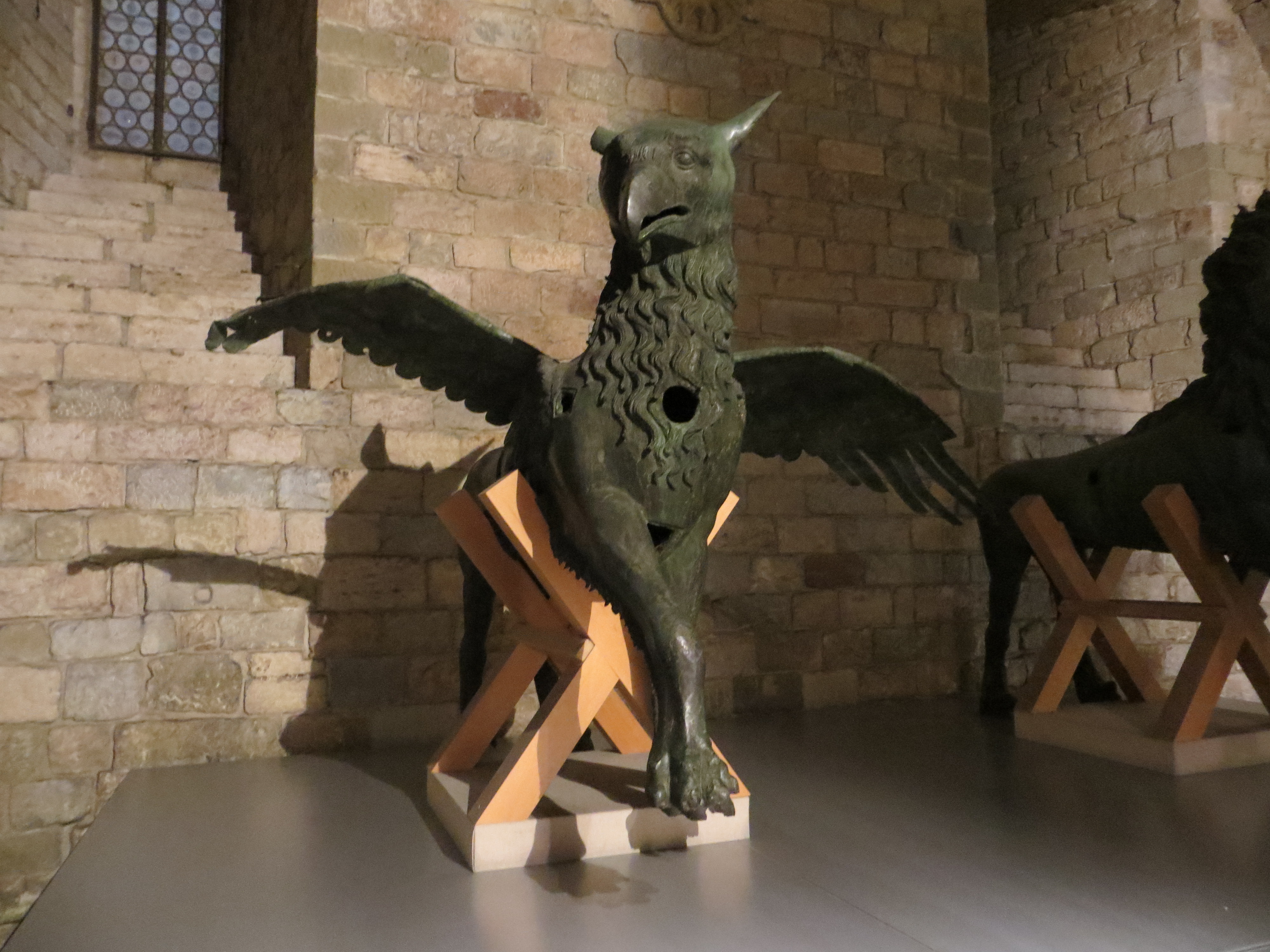
We had lunch on the plaza in the hotel surrounded by movie posters of spaghetti western stars.  We then visited the museum and saw an eclectic mix of artifacts and the featured Eugubine Tables themselves.

As it was getting late in the day and we still wanted to see Assisi, we skipped a visit to the Roman theater and got on the road. We arrived at Assisi as the sun was setting and drove into and around the hilltop citadel in darkness.  Jessie stopped in to buy some wine and we both stayed in the shop for some time getting served samples of cheese and wine.  Both were great and we bought some of almost everything we tried.  We still have some of the Pecorino Subasio left, but not for long.
Europe_2014 10 14_0868

Palazzo dei Consoli, Gubbio Italy

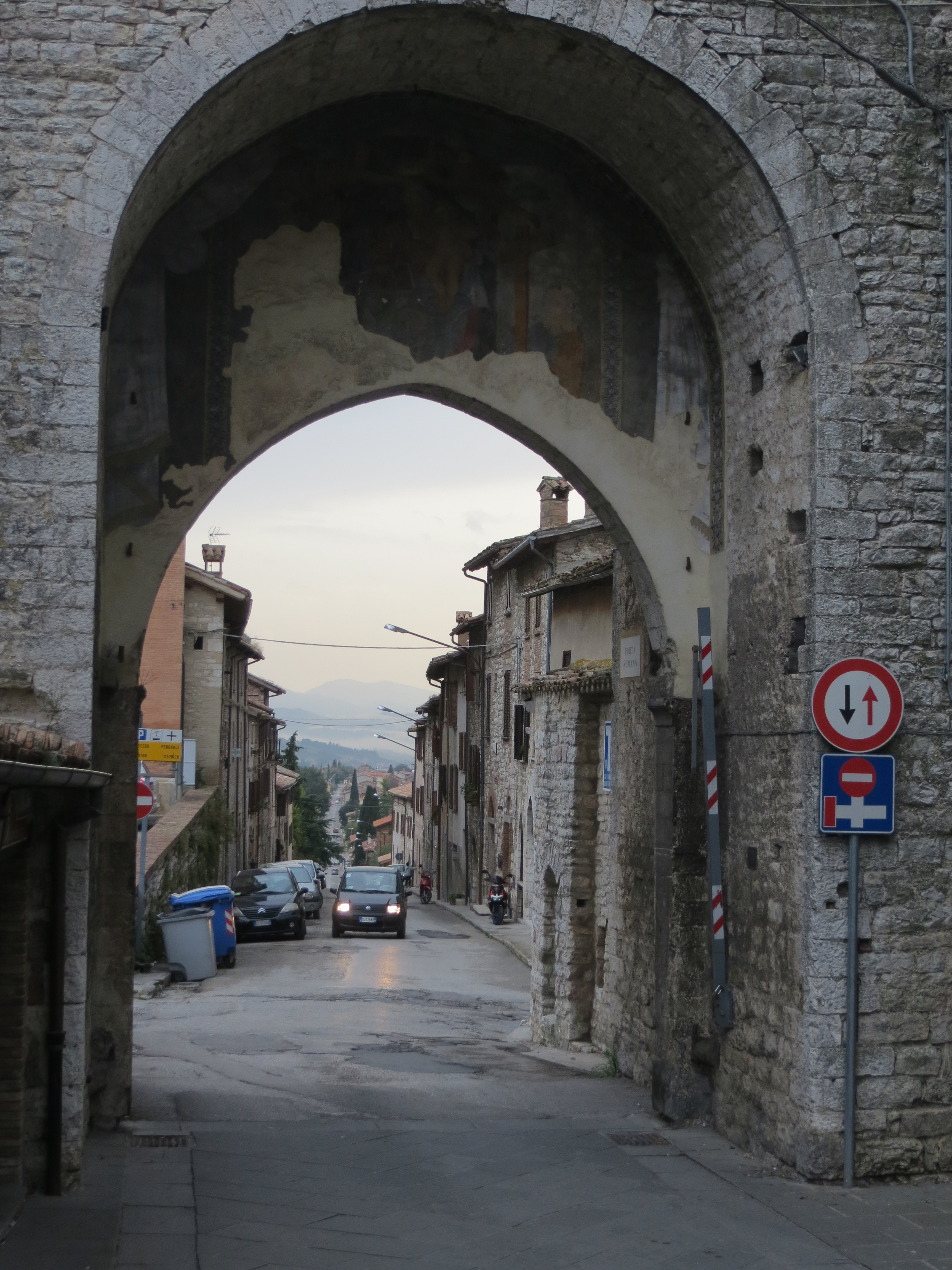
Europe_2014 10 14_0849 Europe_2014 10 14_0854 Europe_2014 10 14_0857 Europe_2014 10 14_0867 Europe_2014 10 14_0886 Europe_2014 10 14_0896 Europe_2014 10 14_0900 Europe_2014 10 14_0908 Europe_2014 10 14_0930

13 Oct Agriturismo il Melograno, Pianello (near Perugia)

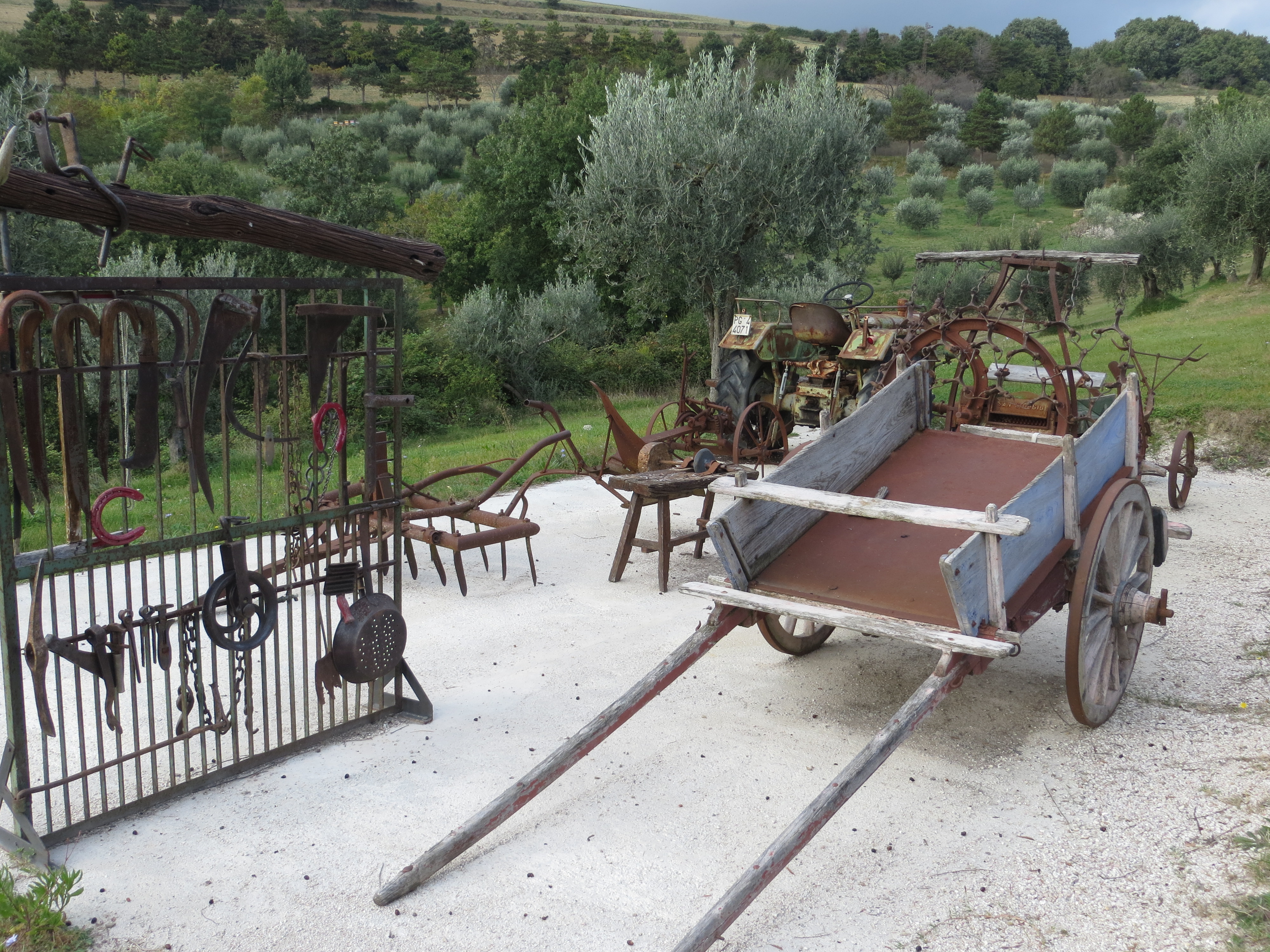
On Monday 13-Oct we left Monteriggioni and headed south east for Perugia.  Jessie looked up B&Bs as we neared Perugia and we settled on Agriturismo Il Melograno B&B in Pianello.  It was a nicely furnished inn surrounded by olive tree groves, not much hint of a farm except for the display of old equipment, on a hilltop with an extensive view of the nearby valleys.

On the drive we stopped briefly in Terme at a natural hot springs spa, but we were not intrigued enough to pay the daily rate (and purchase of a robe) to take the plunge.  Maybe next time.

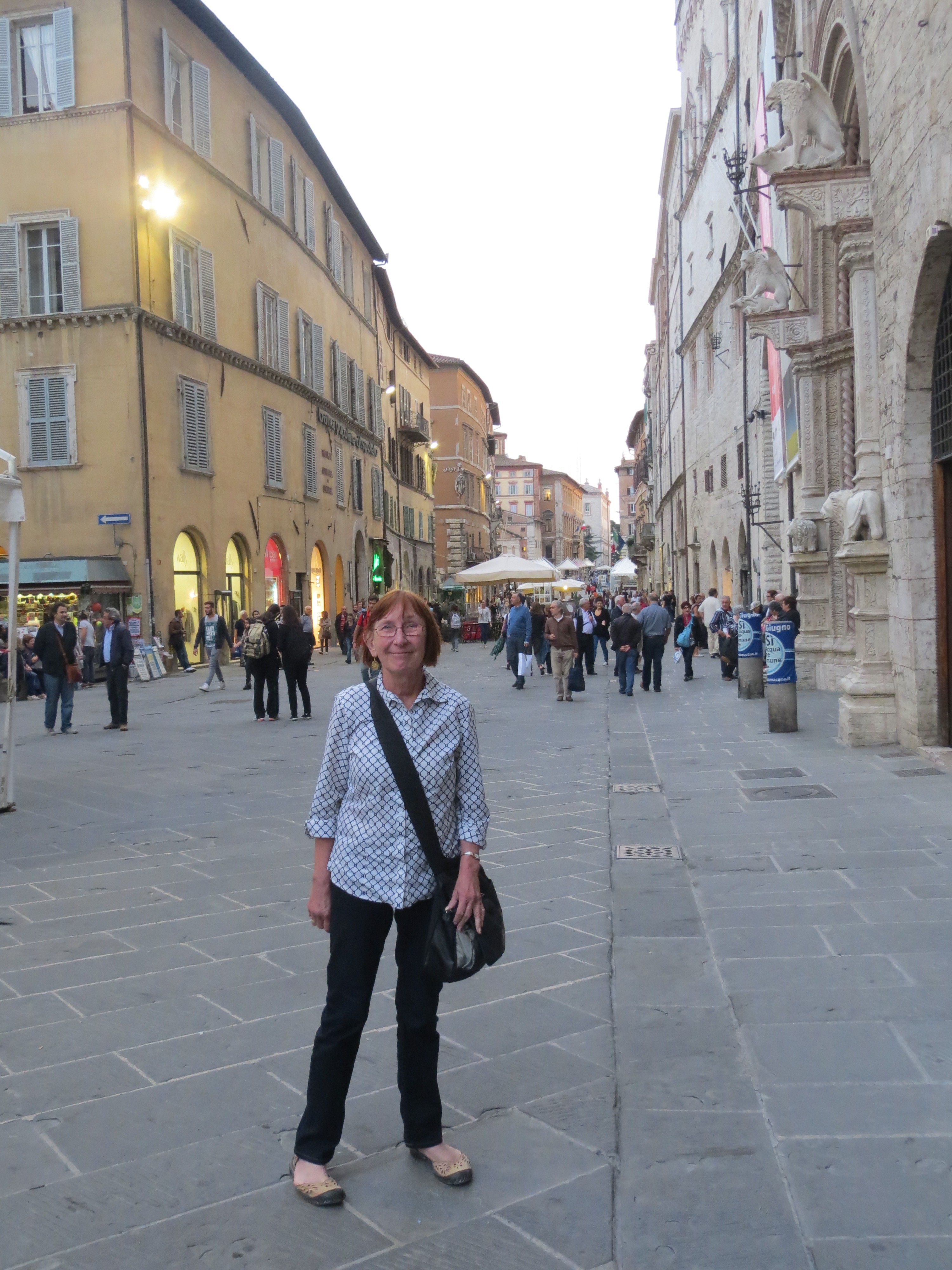
After getting settled, we drove into Perugia’s business district where we wandered around and had diner. We never found the escalator that goes to the actual old town on top.

Europe_2014 10 13_0939

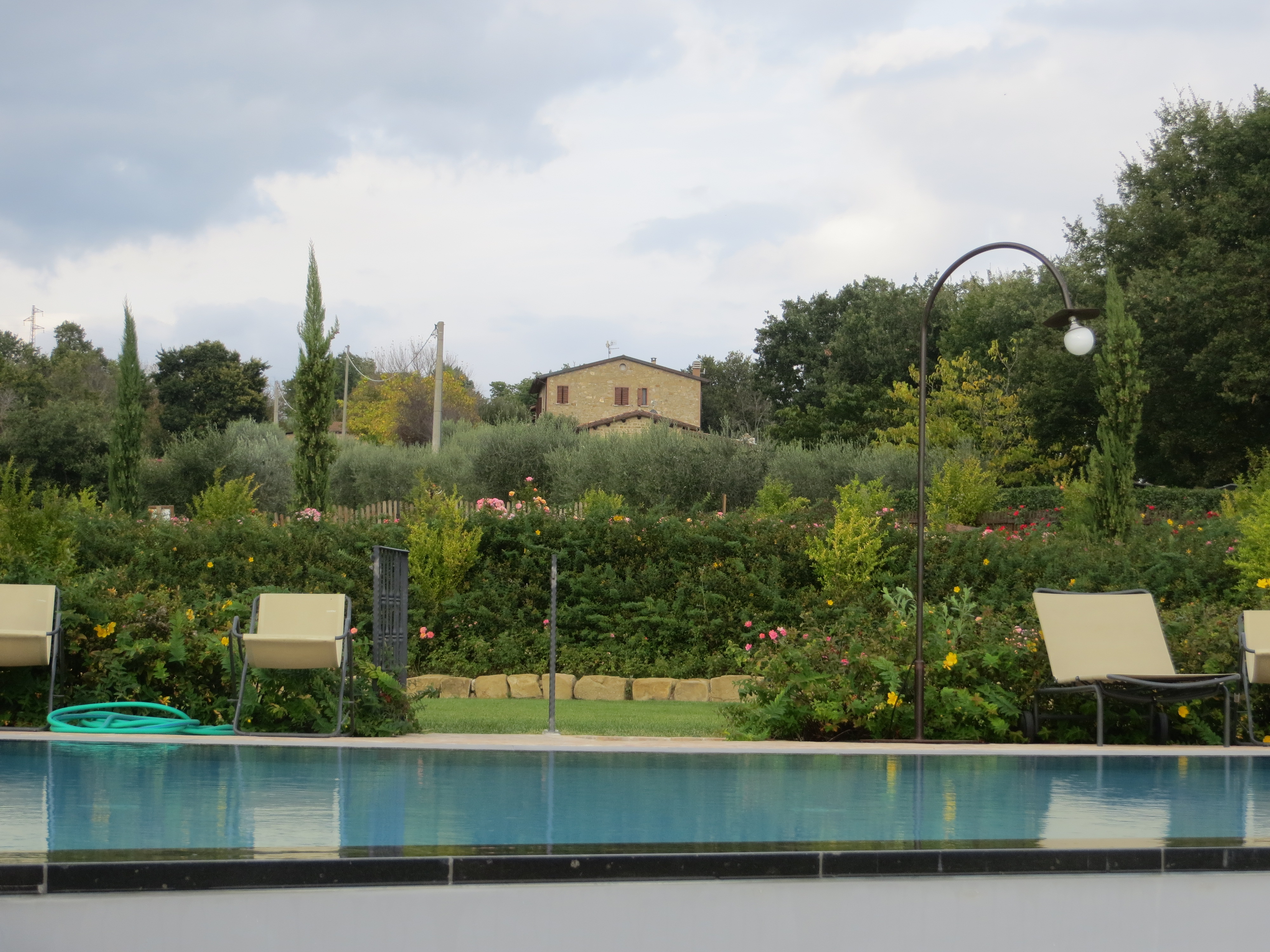
View from the pool at Agriturismo il Melograno, Pianello (near Perugia)

Europe_2014 10 13_0947

In Perugia

Europe_2014 10 13_0946 Europe_2014 10 13_0942

12-Oct Monteriggioni and Siena

On Sunday morning 12-Oct we were enjoying cheese & wine in the garden patio at the B&B in Monteriggioni when we heard a drumming coming from the fortress’s main square.  We investigated and found a colorful church procession including medieval outfits and a drum corp.

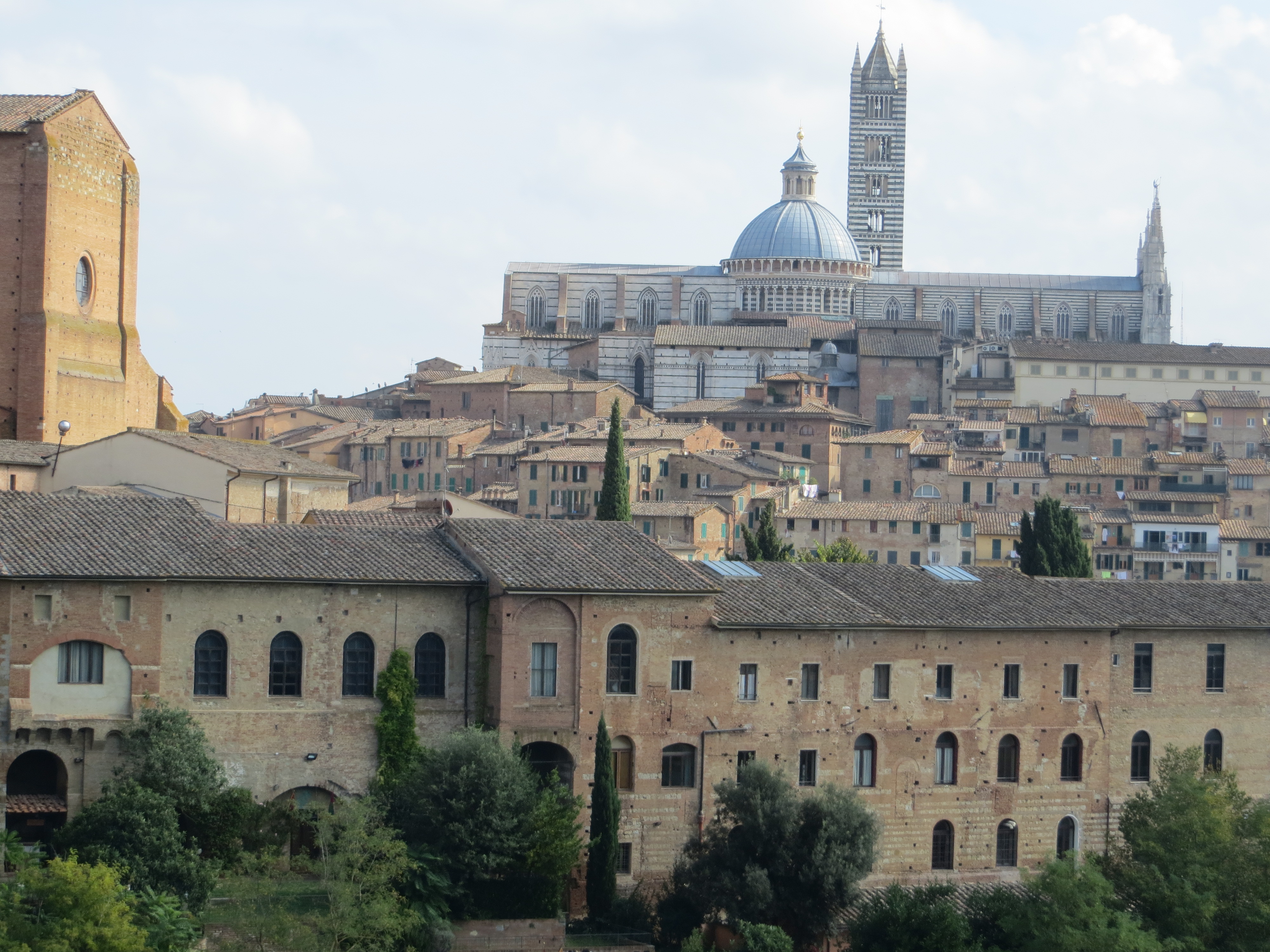
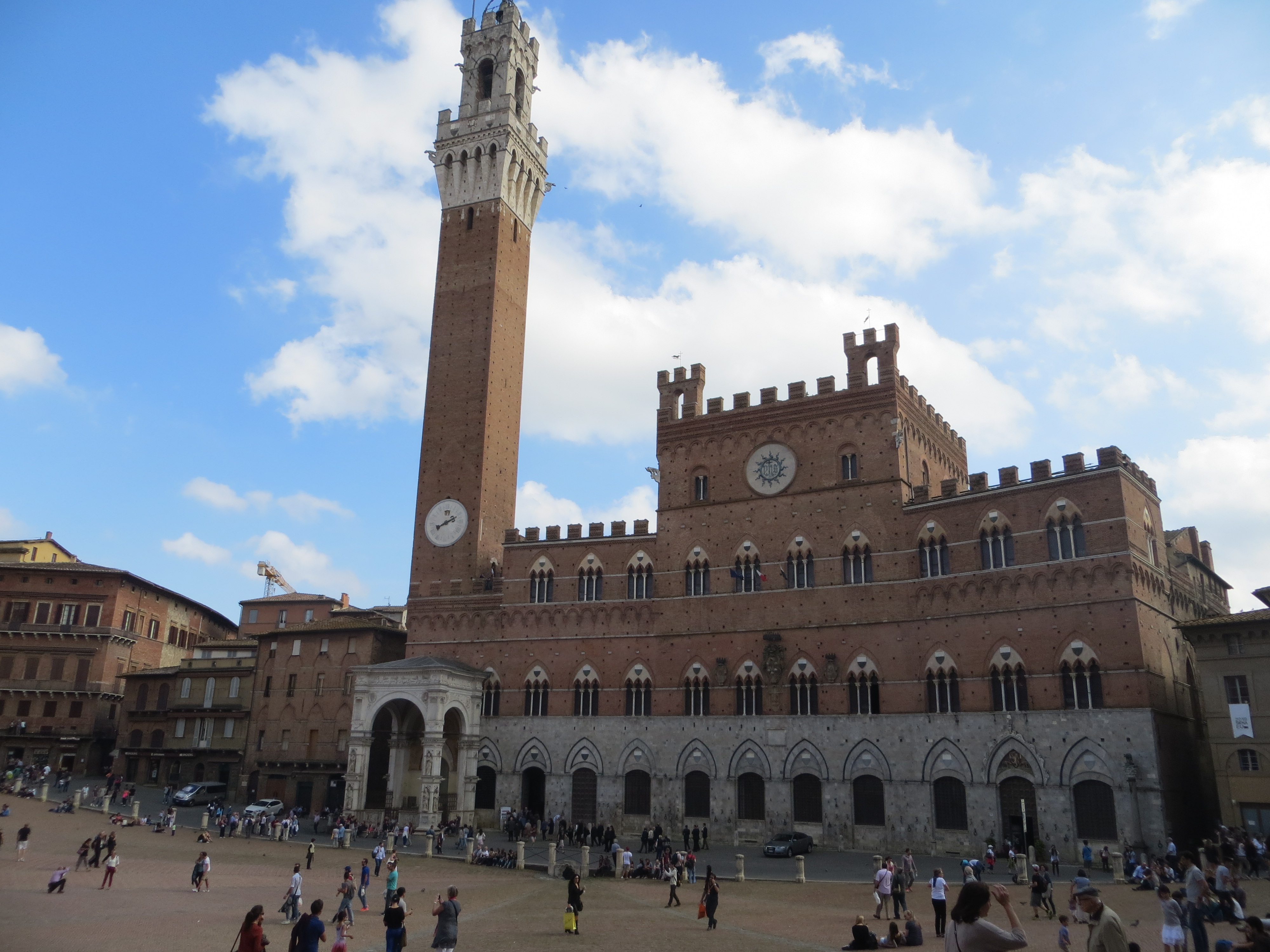
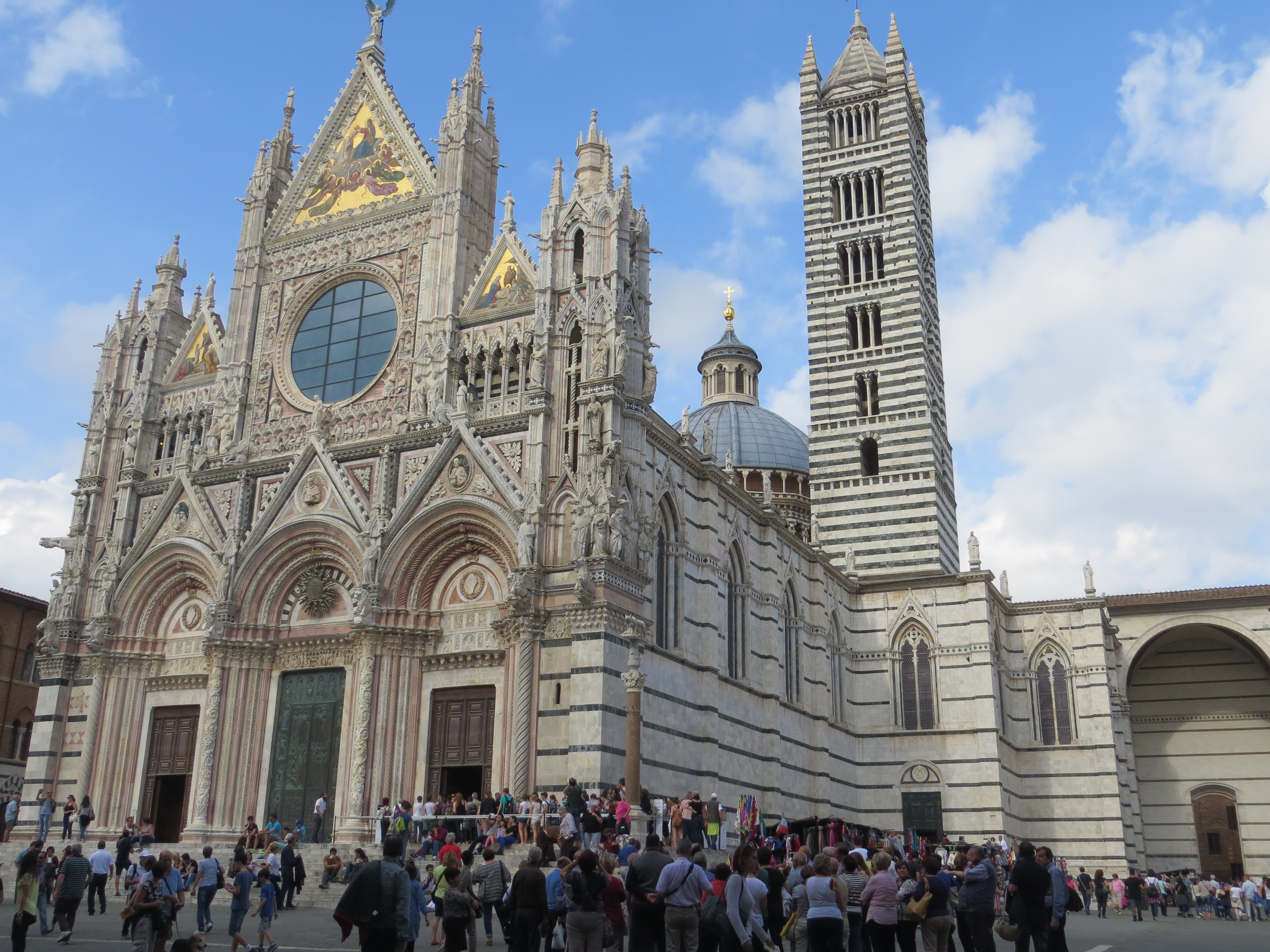
After watching the specticle & sermons for awhile, Jessie & I headed to the city of Siena.  We parked near the city center and walked into the vast Piazza del Campo where we had lunch and people watched.  The town was crowded with tourists.

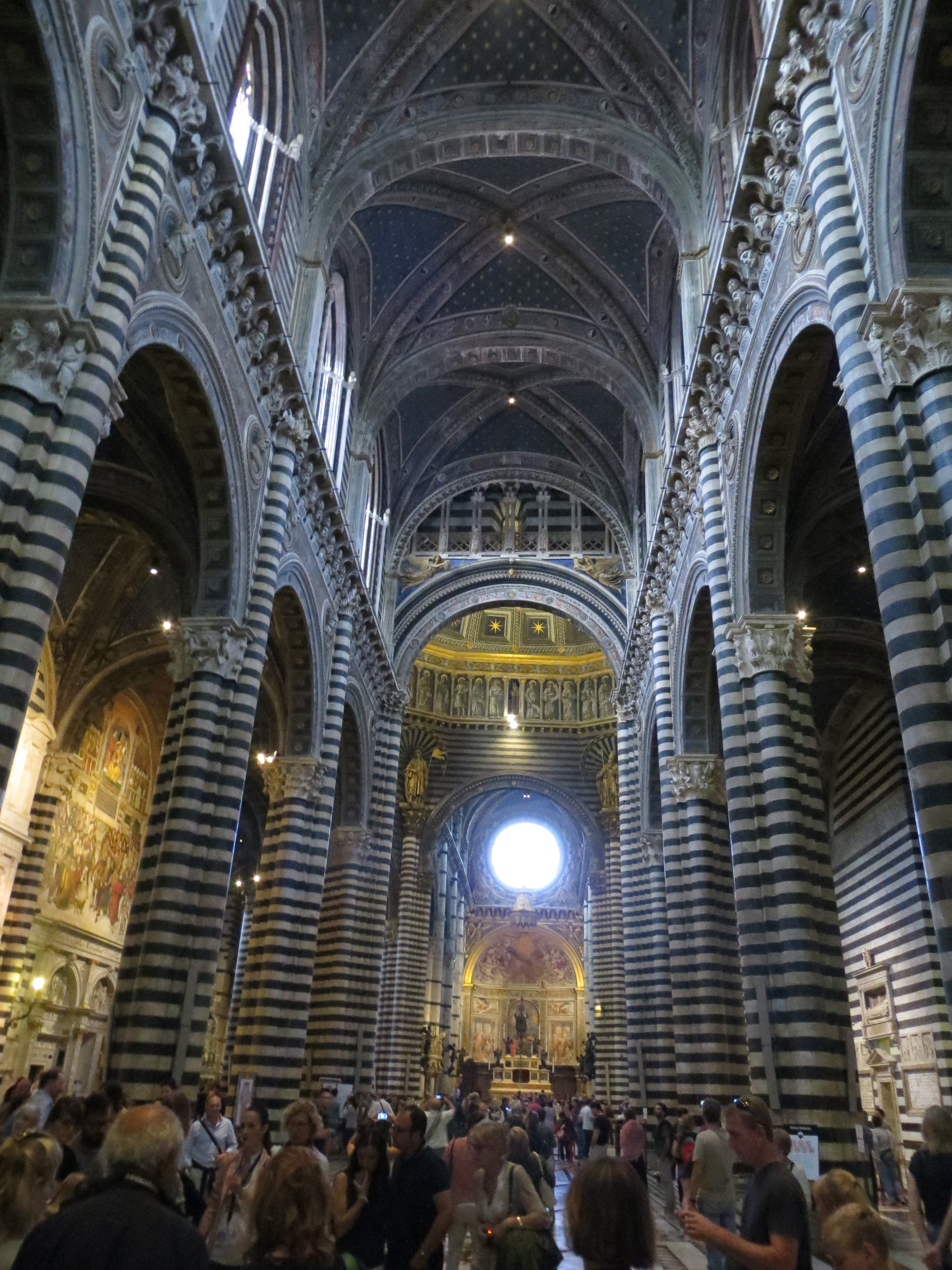
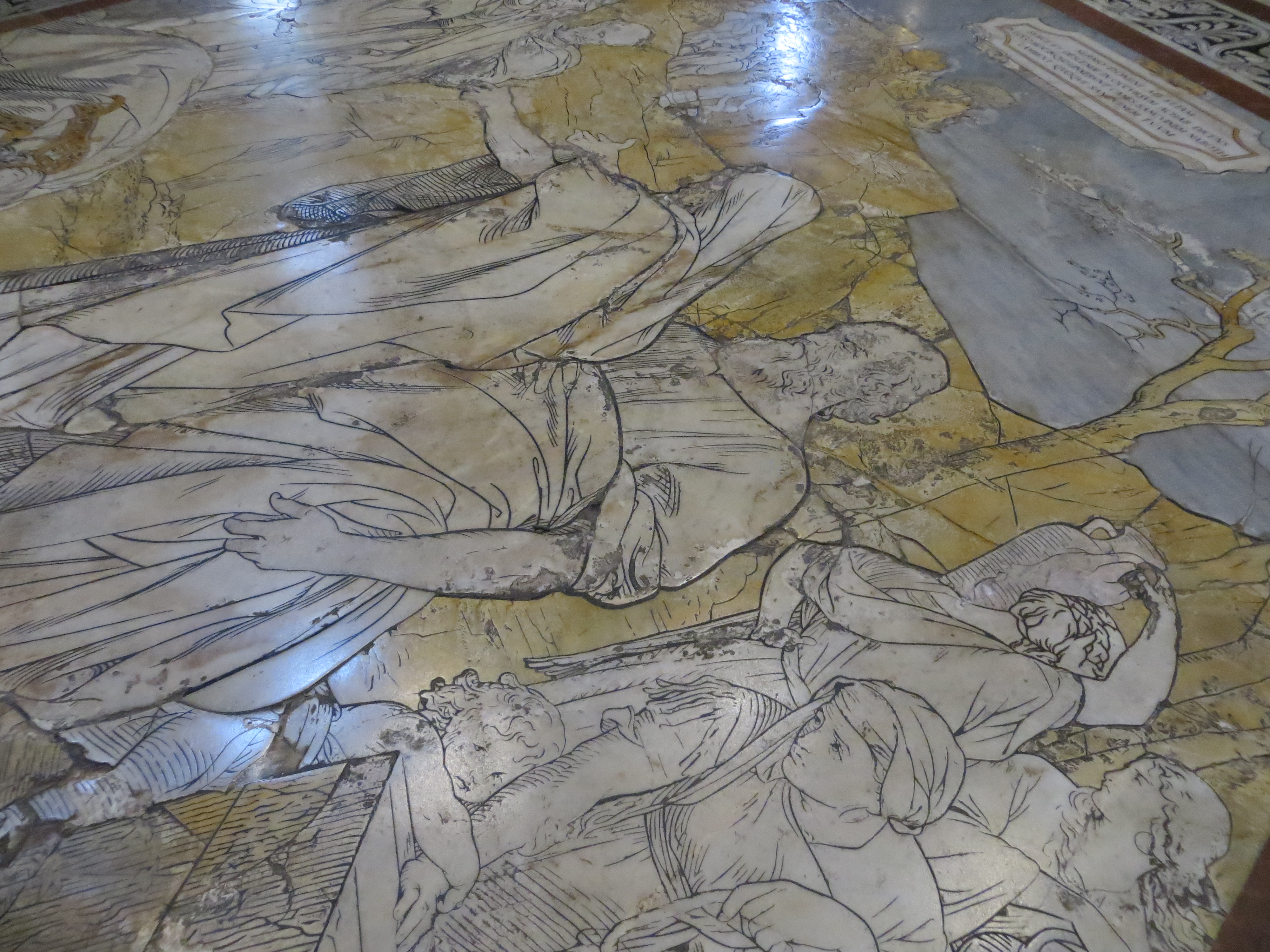
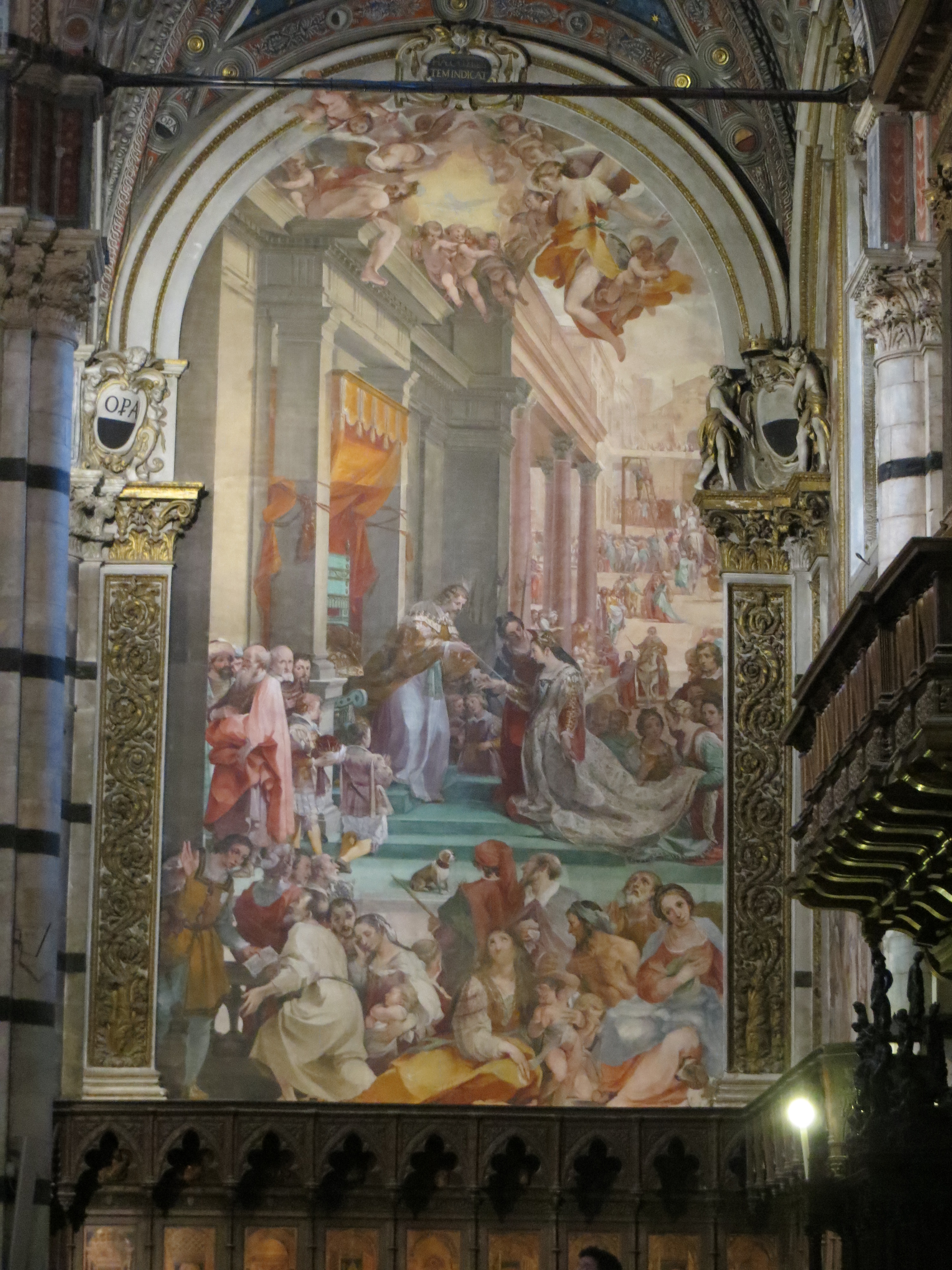
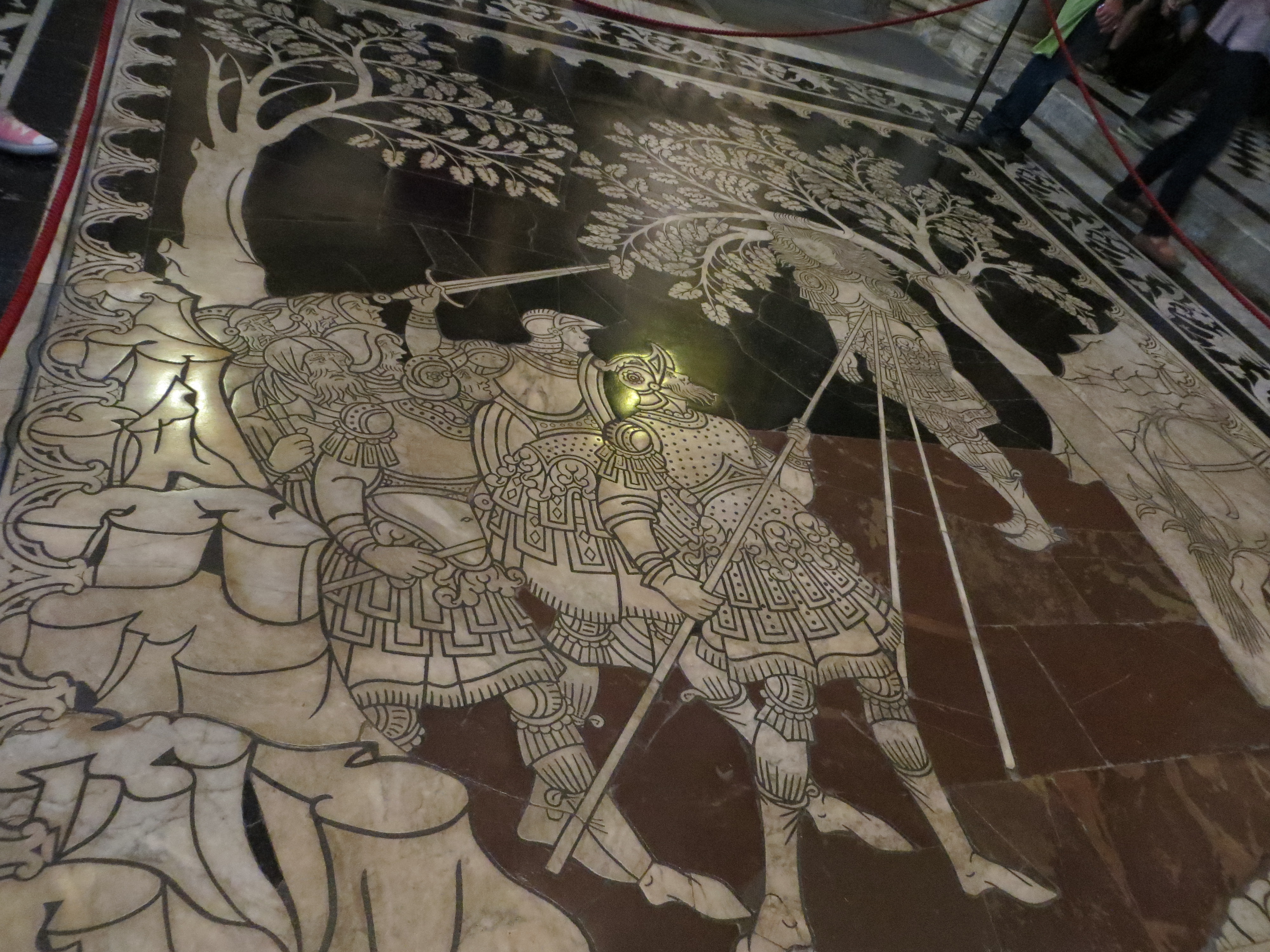
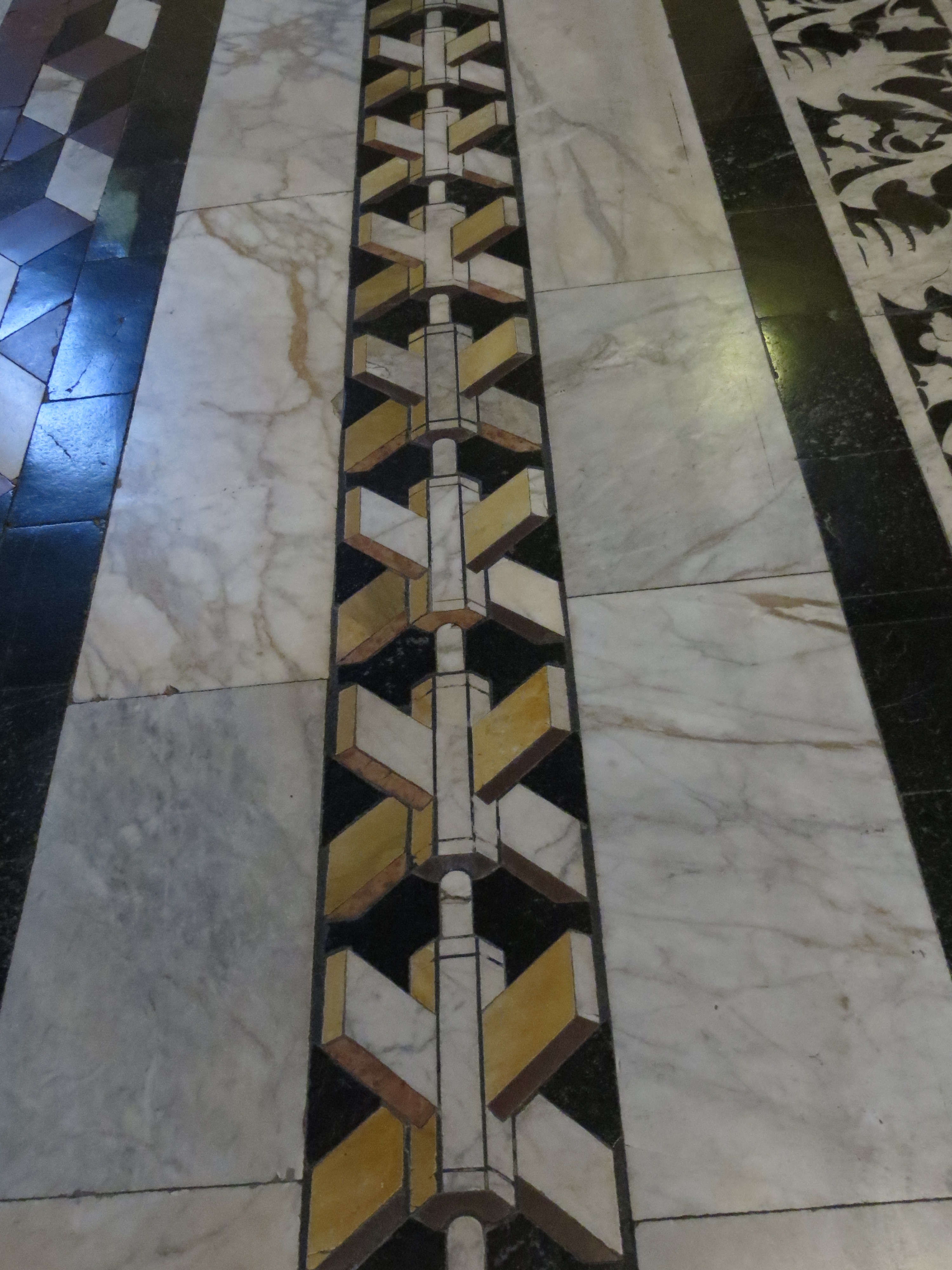
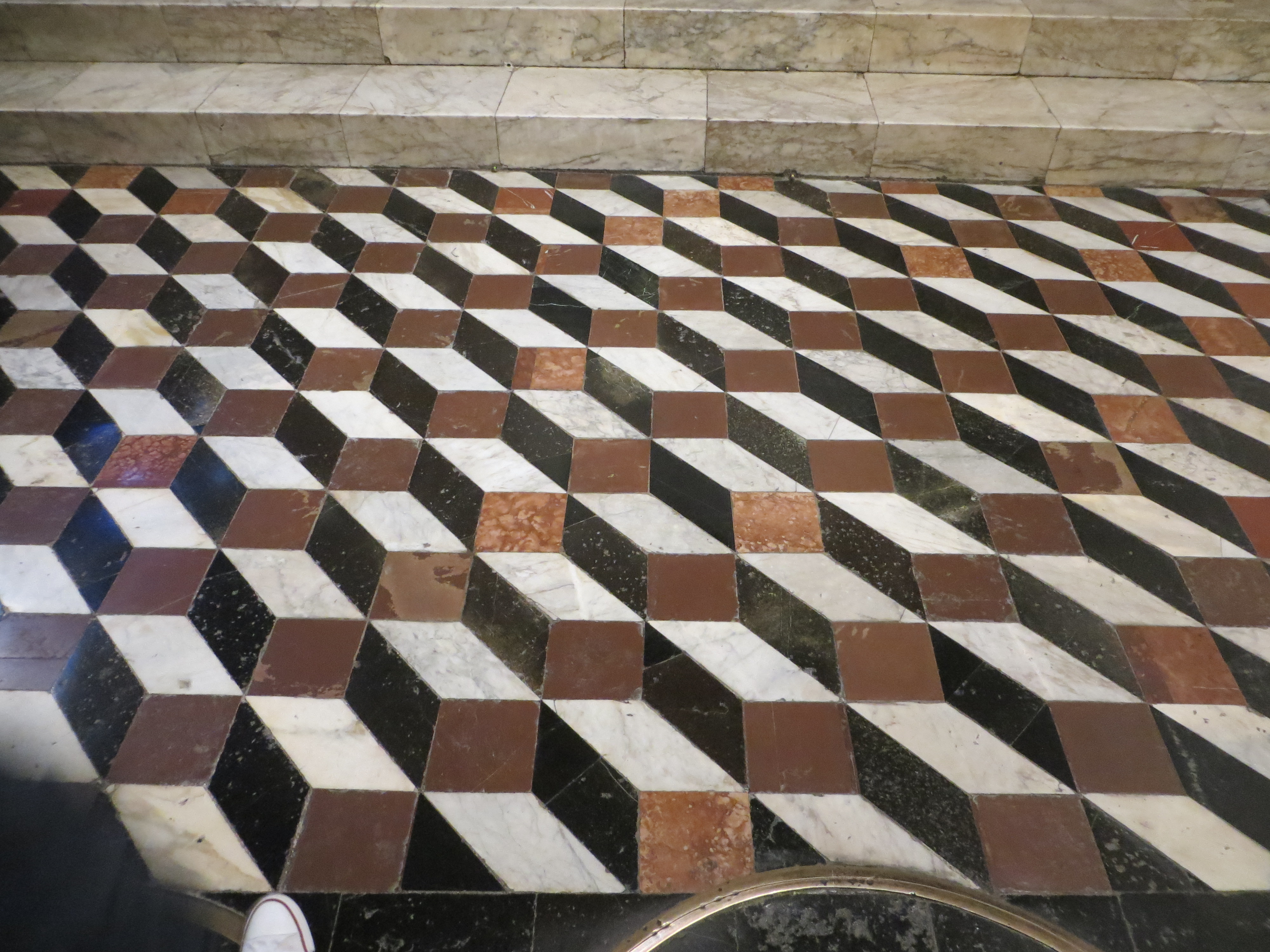
We then walked to the beautiful Basilica di San Francesco, paid for the basic access and thoroughly appreciated the cathedral’s vast interior.  The floors were particularly beautiful and some were playfully 3-dimensional.

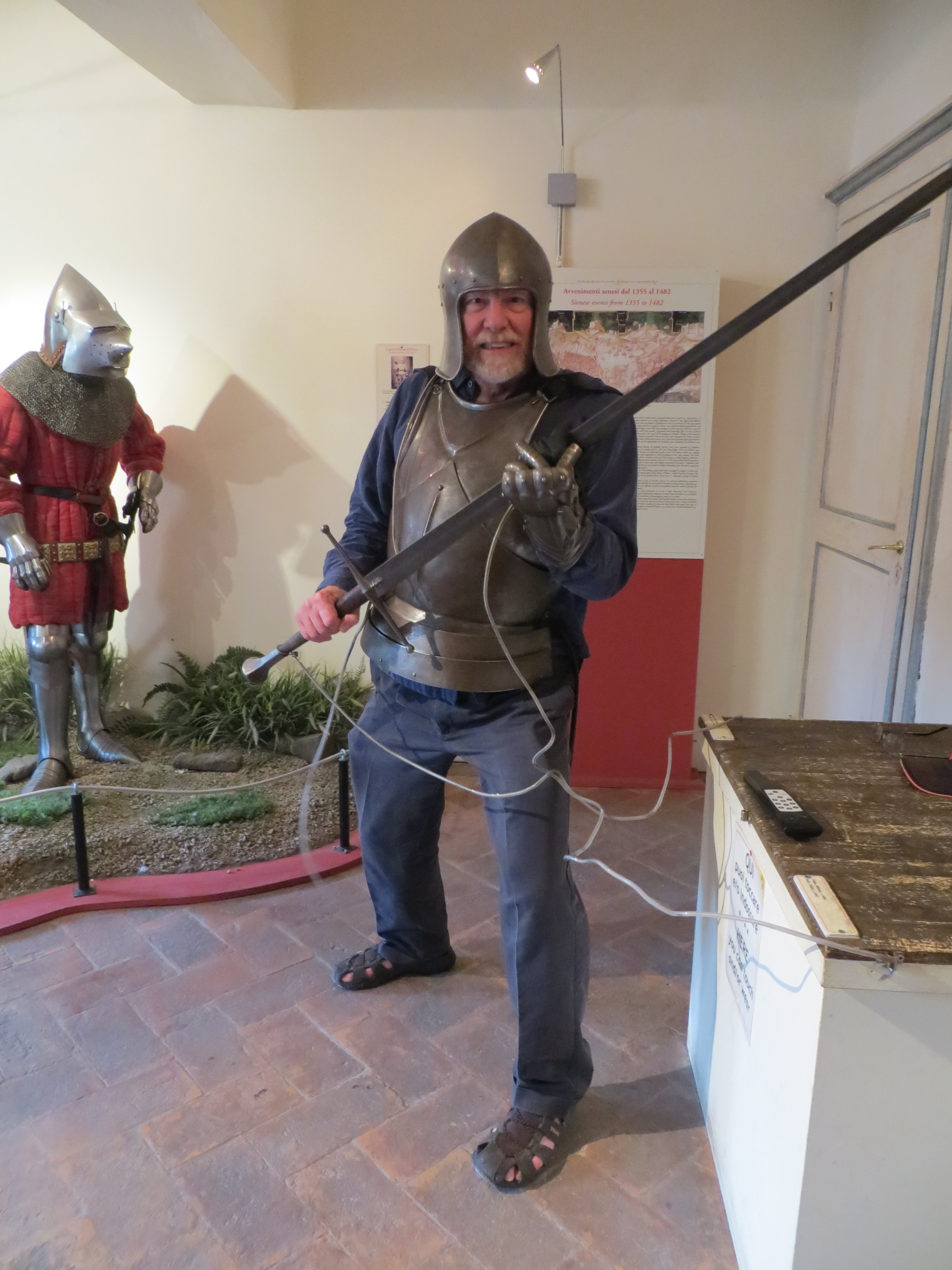
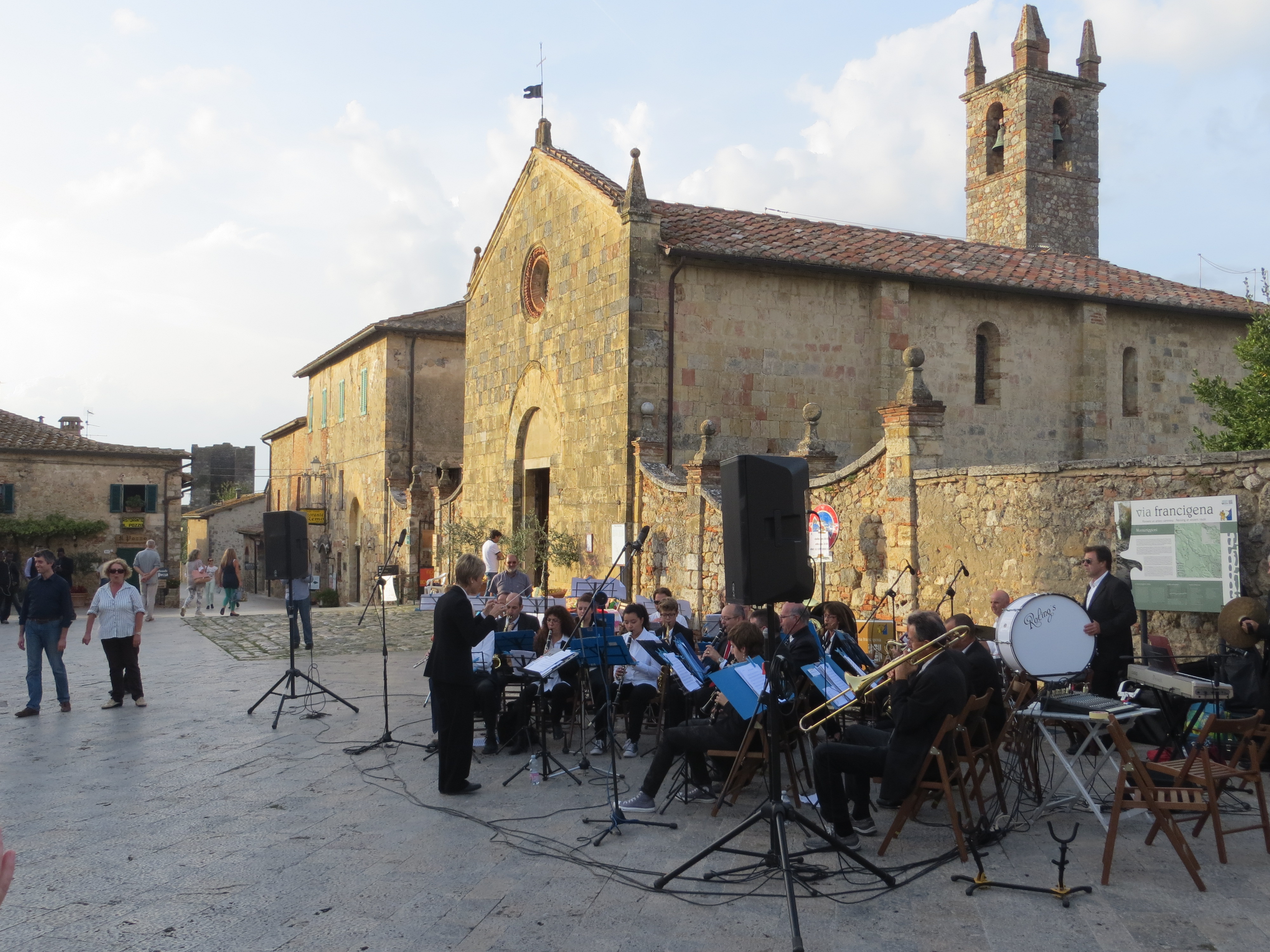
We got back to Monteriggioni and were greeted by a large band concert in the main square.  Somewhere along the way we visited the museum in the visitors center which allowed John to try on a coat & hood of steel mail (armor) — it was very heavy — along with other armor & hoist a sword.

. Europe_2014 10 11_1056 Europe_2014 10 11_1055

Europe_2014 10 12_0956 Europe_2014 10 12_0957 Europe_2014 10 12_0961 Europe_2014 10 12_0964 Europe_2014 10 12_0966 Europe_2014 10 12_0970 Europe_2014 10 12_0973 Europe_2014 10 12_0977 Europe_2014 10 12_0980 Europe_2014 10 12_0981 Europe_2014 10 12_0982 Europe_2014 10 12_0984Europe_2014 10 12_1001

10 Oct Hotel Villa Porta All’ Arco, Volterra

Our work and project at the Earthwatch site drew to a close today, Friday 10-Oct.  We bid goodby to our fellow workers & to the staff.  We picked up an Avis rental car in Piombino and headed towards Volterra.

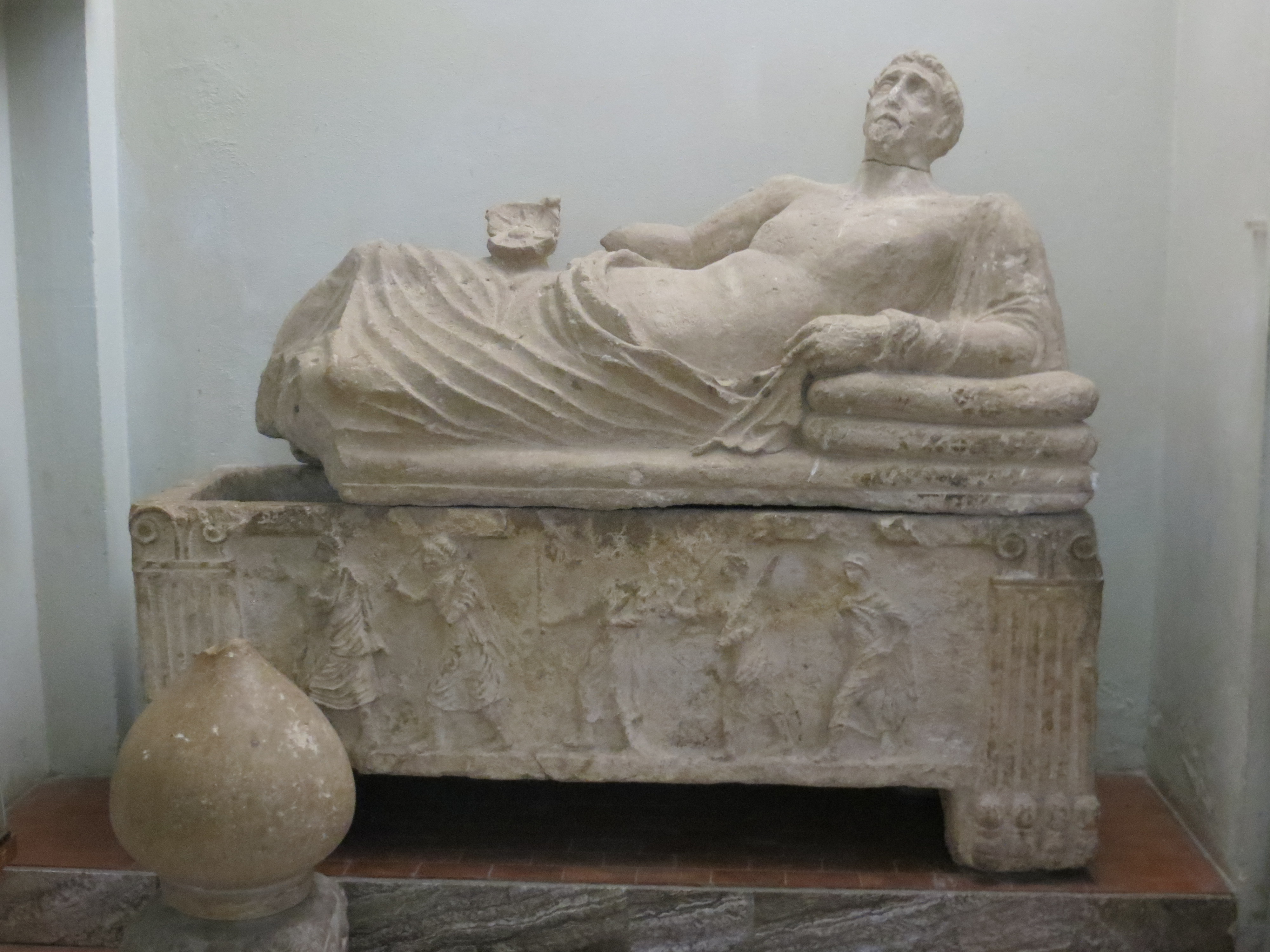
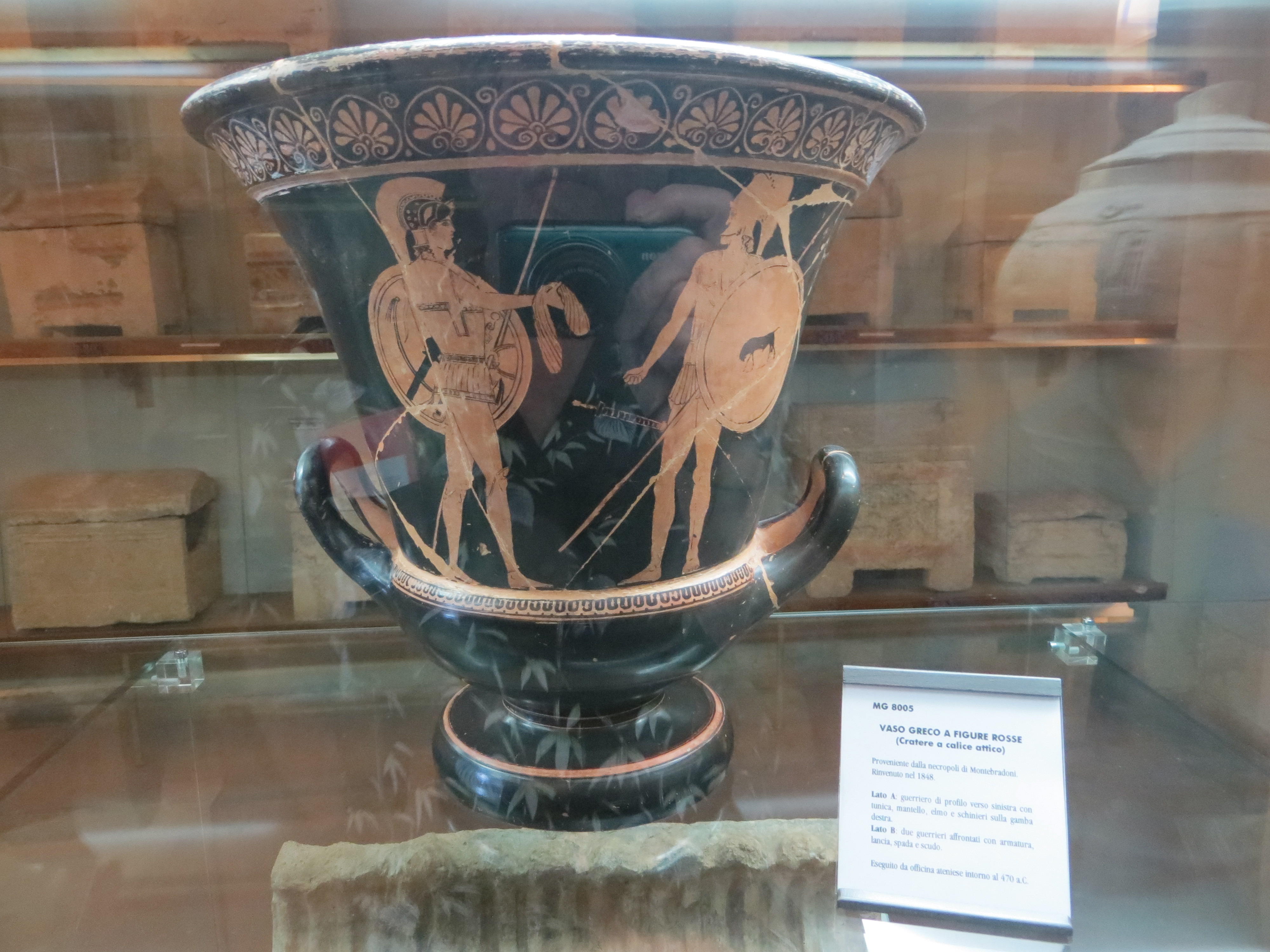
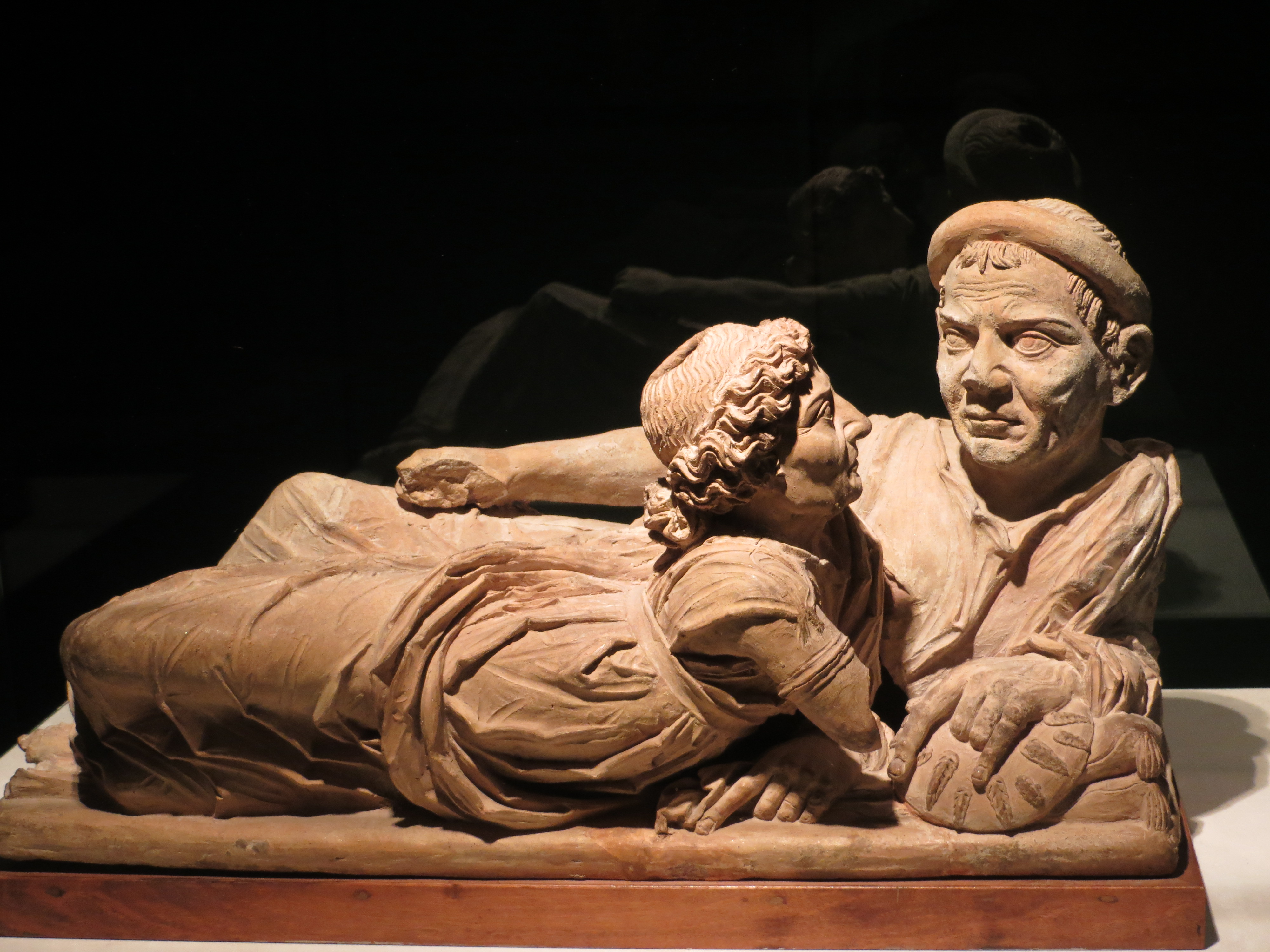
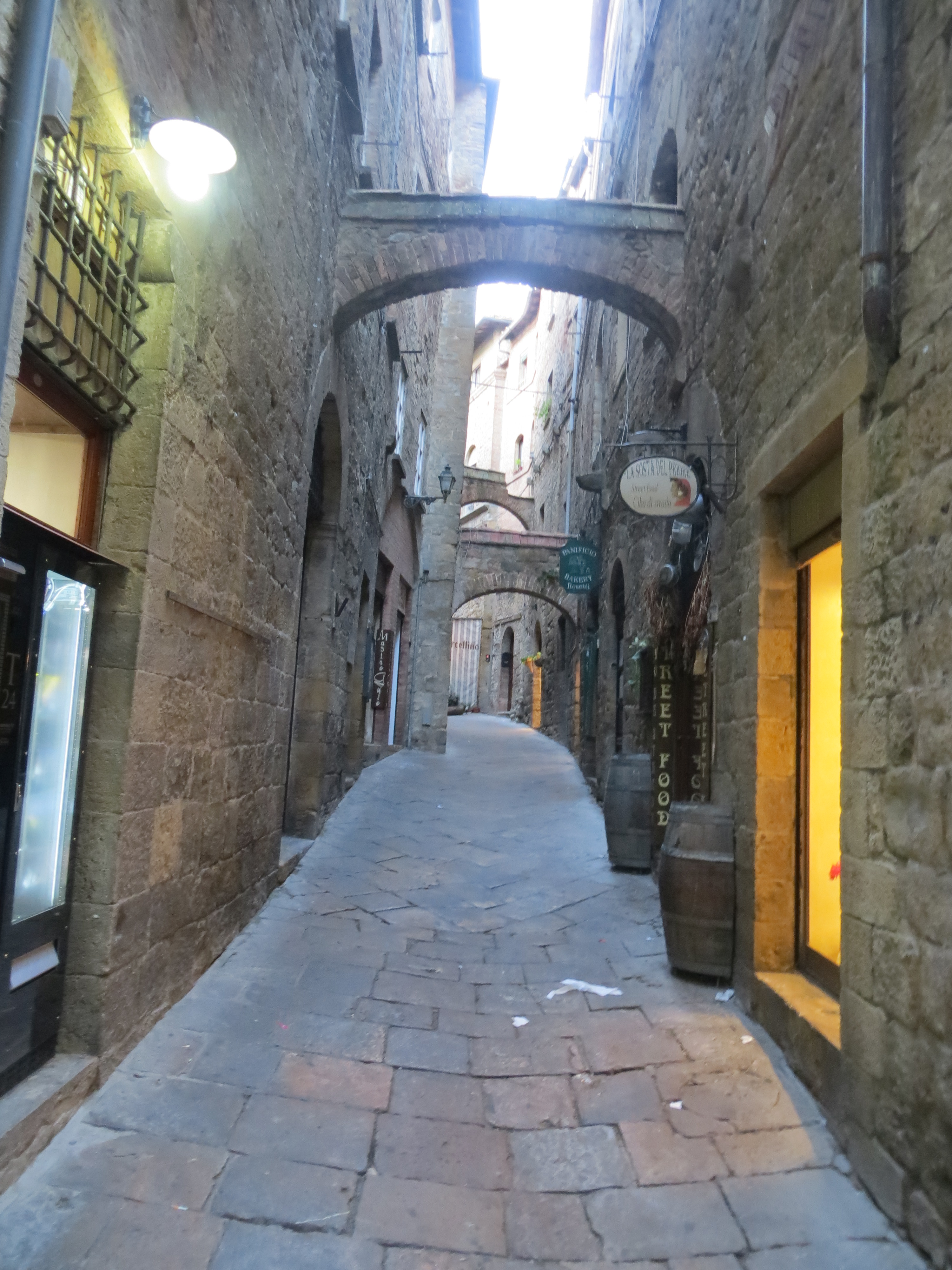
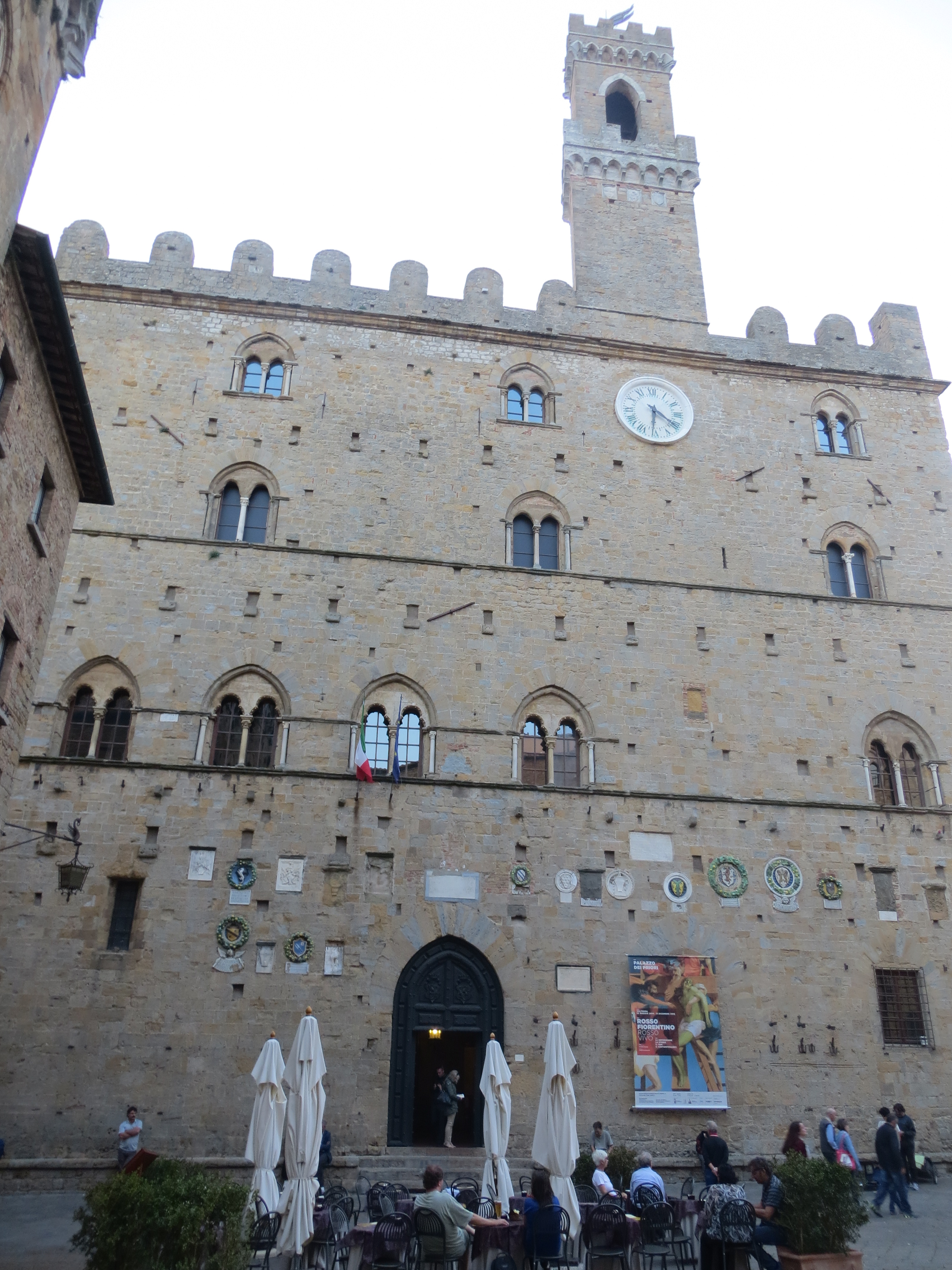
We checked into Hotel Villa Porta All’ Arco, down-slope from central Volterra.  Most locals would consider it a short walk up about 200 steps to the town center, but we preferred to drive and park nearby.  We walked around the town and went into the museum of archeology, a large collection of early Etruscan, Roman and later artifacts.  They had discovered a large necropolis of tombs from the pre-Roman eras so there were a lot of them on display.

Europe_2014 10 10_1066

Our home in Populonia Stazione, Italy

Europe_2014 10 10_1072 Europe_2014 10 10_1075 Europe_2014 10 10_1088 Europe_2014 10 10_1093 Europe_2014 10 10_1102 Europe_2014 10 10_1112 Europe_2014 10 10_1116 Europe_2014 10 10_1117

9 Oct Earthwatch Field Trip to Roman Ruins at Populonia

[This was originally posted 7-Nov with many others but the date was changed to 9-Oct to keep the dialog in order]

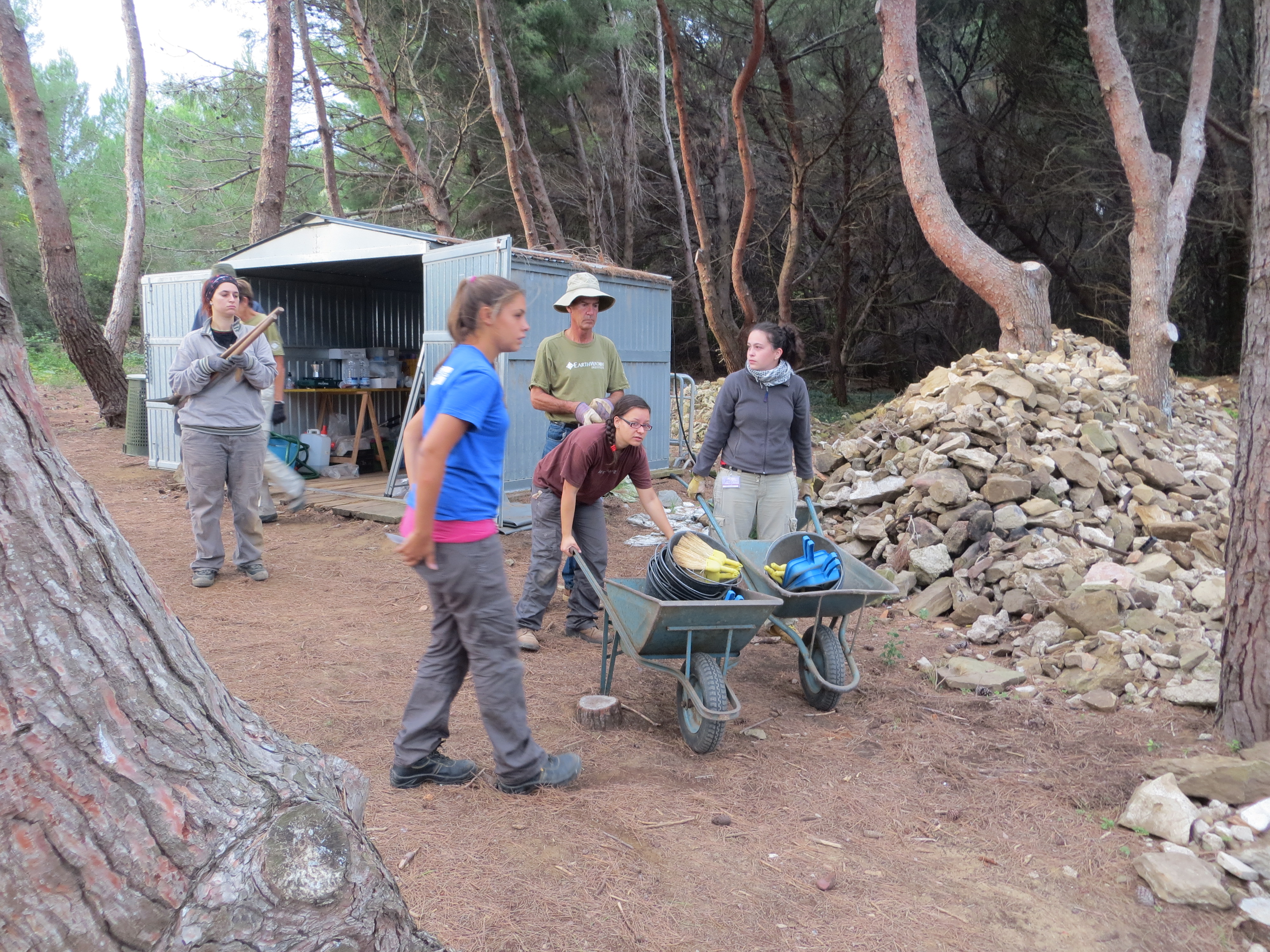
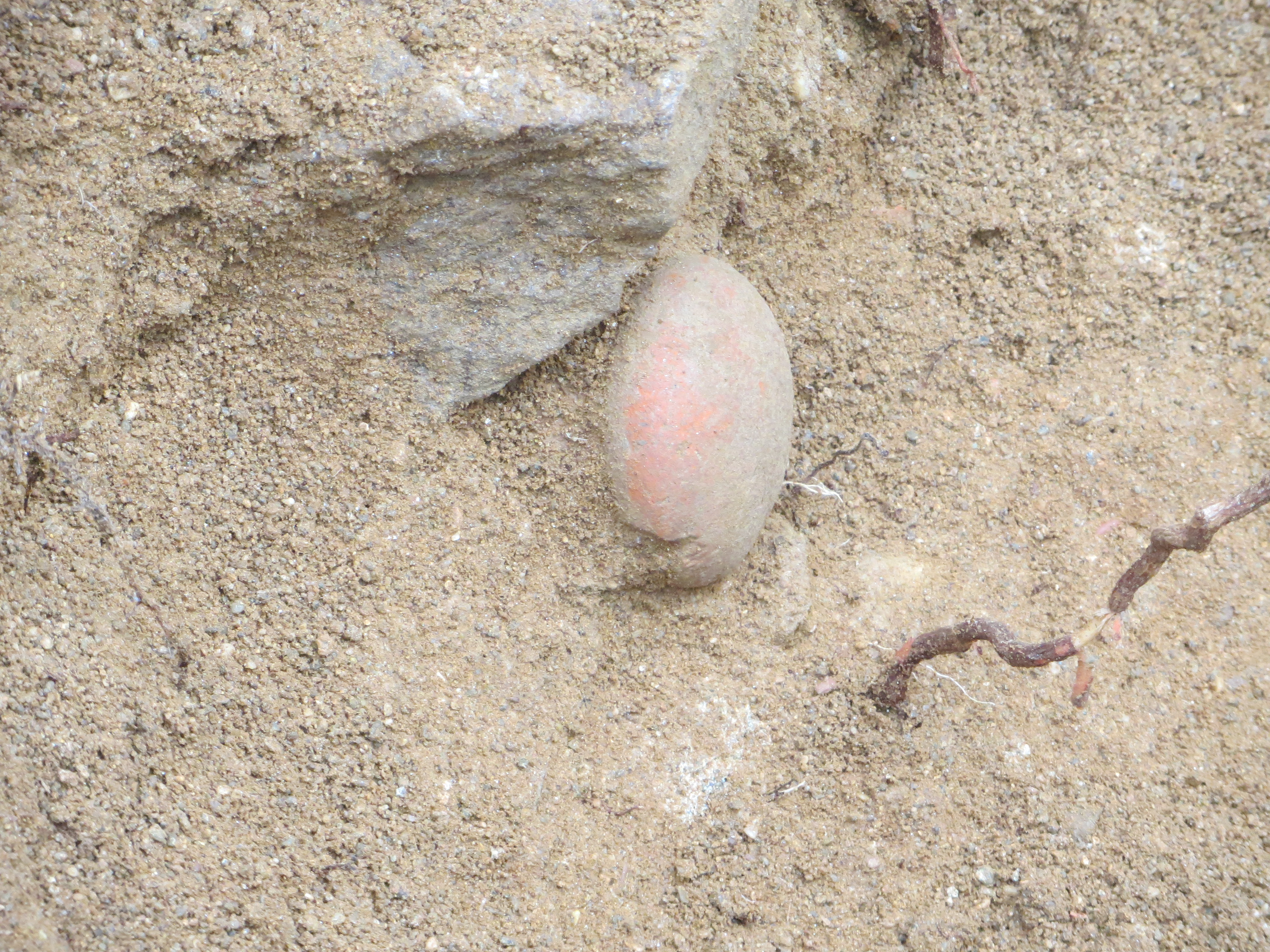
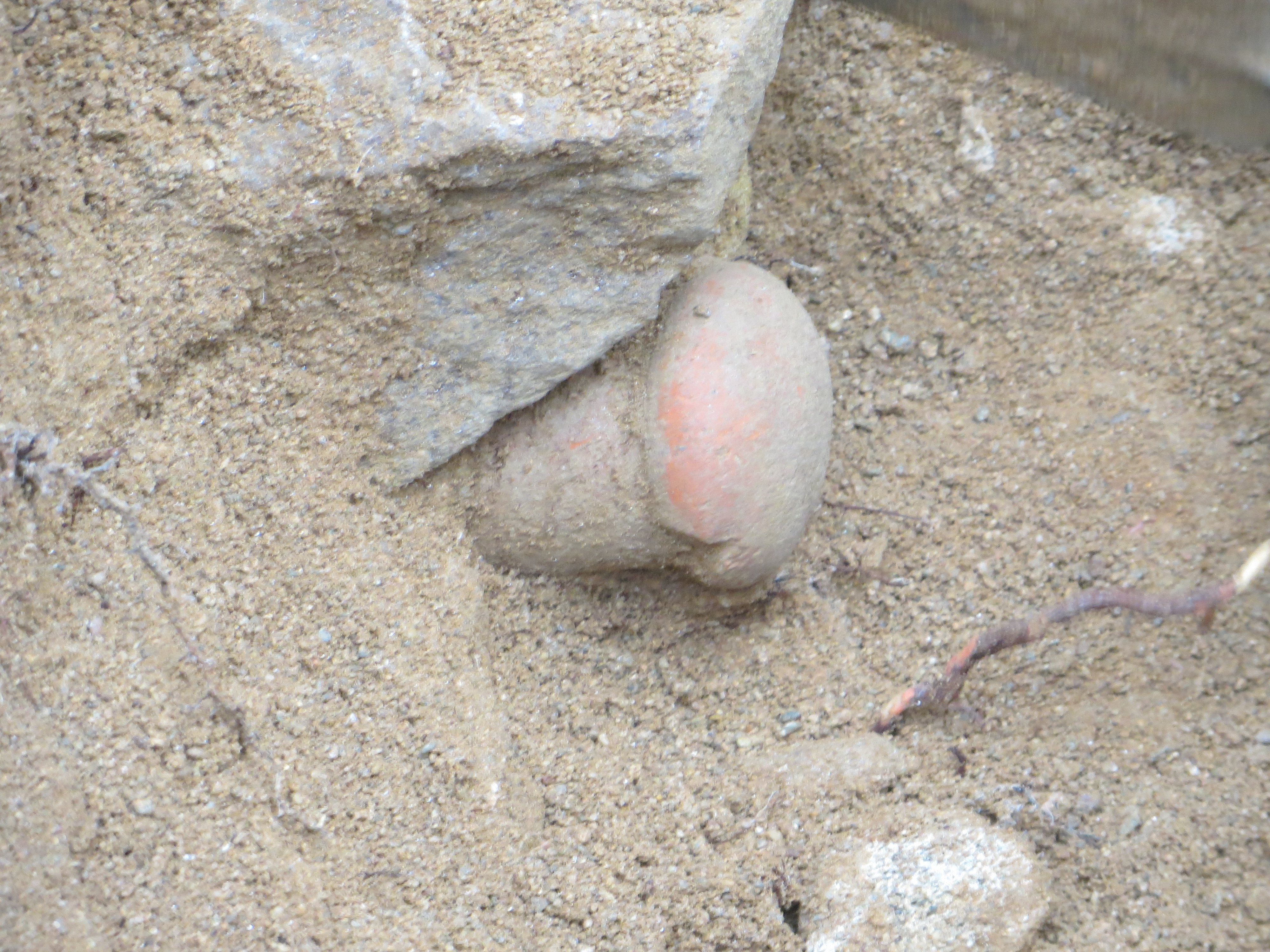
On Thursday 9-Oct we worked at Poggio del Molino in the morning, finishing up the dig and closing the site for the season by lunch time.  On this last day we found a promising pottery fragment in our excavation area.   We carefully cleaned around it and uncovered what appeared to be the bottom fragment of a large vase, or amphora.  Probably not a major find, but it was unusually shaped and gave us a renewed interest in the project.

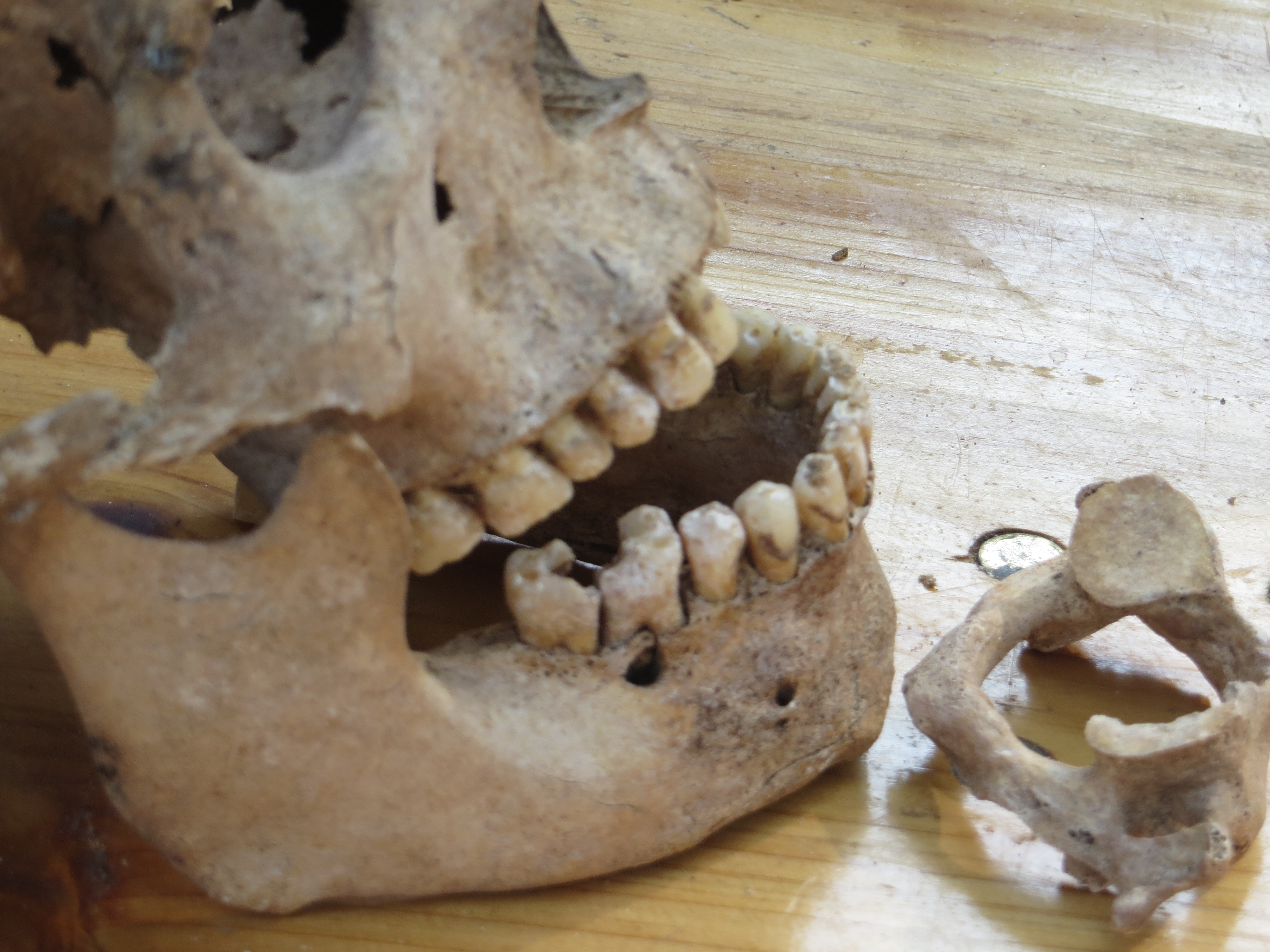
Laura brought a skeleton in a crate (very old but of uncertain origin) and gave us an impromptu talk on determining the age, sex and other aspects of analyzing the bones.

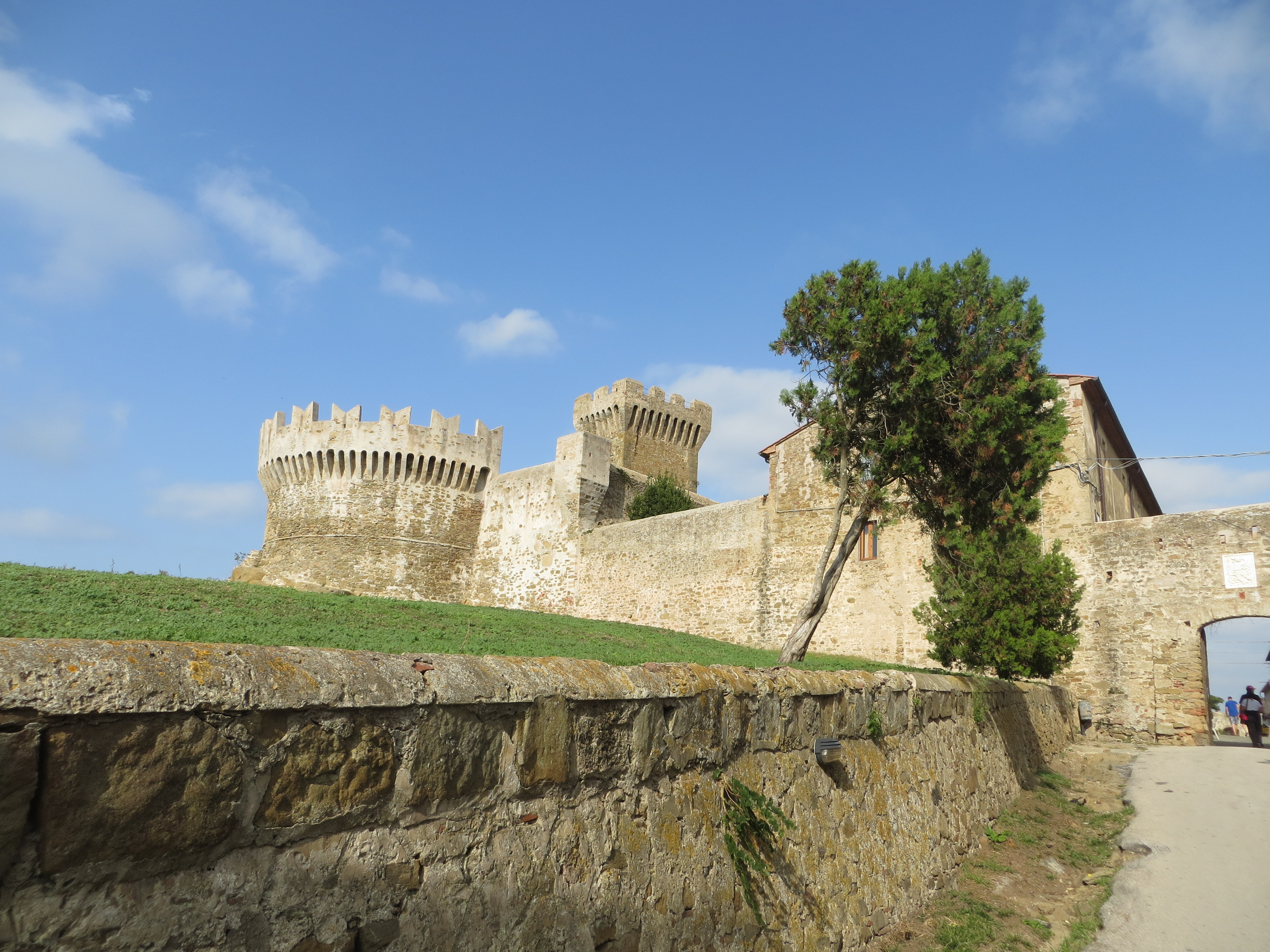
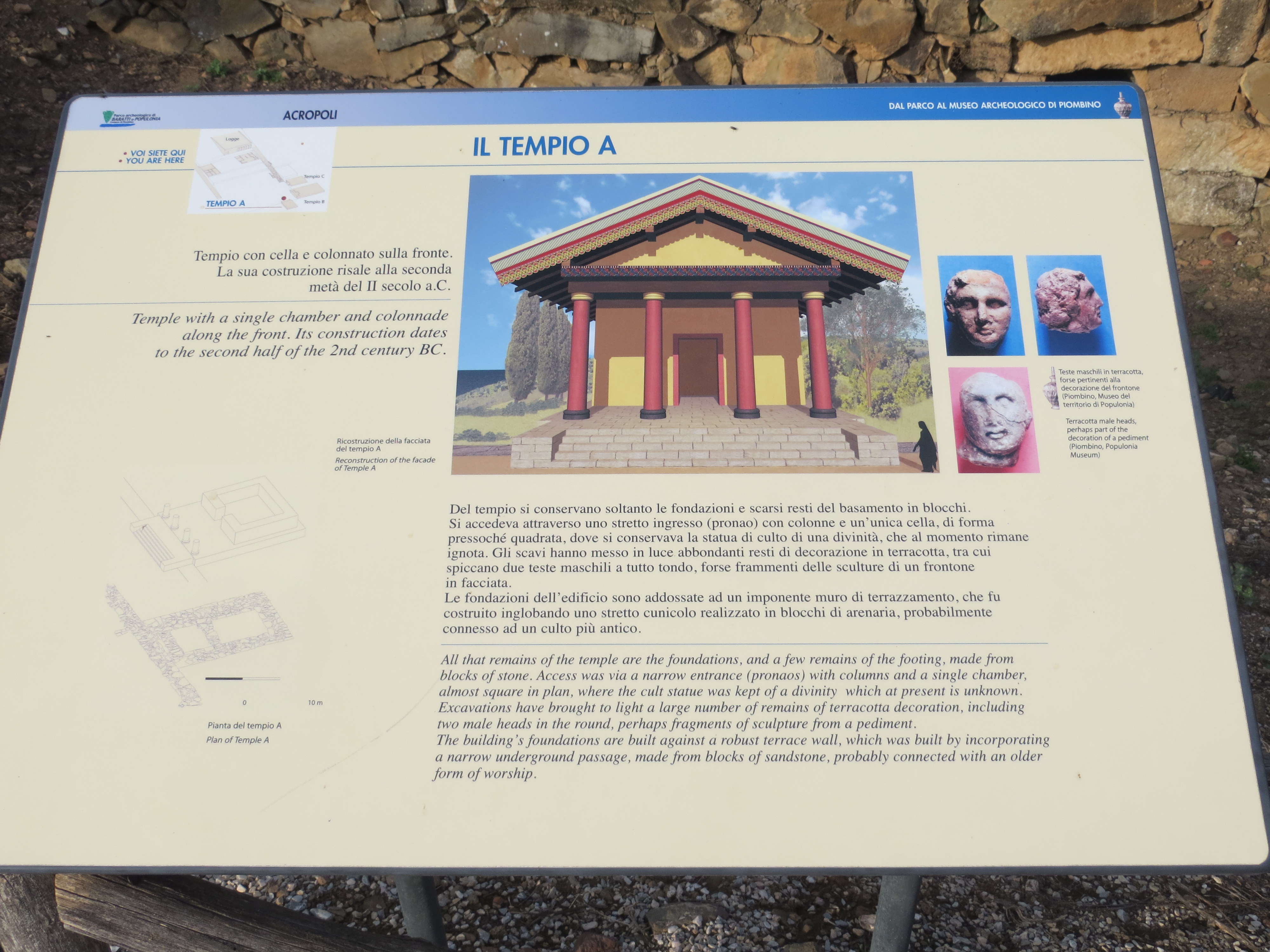
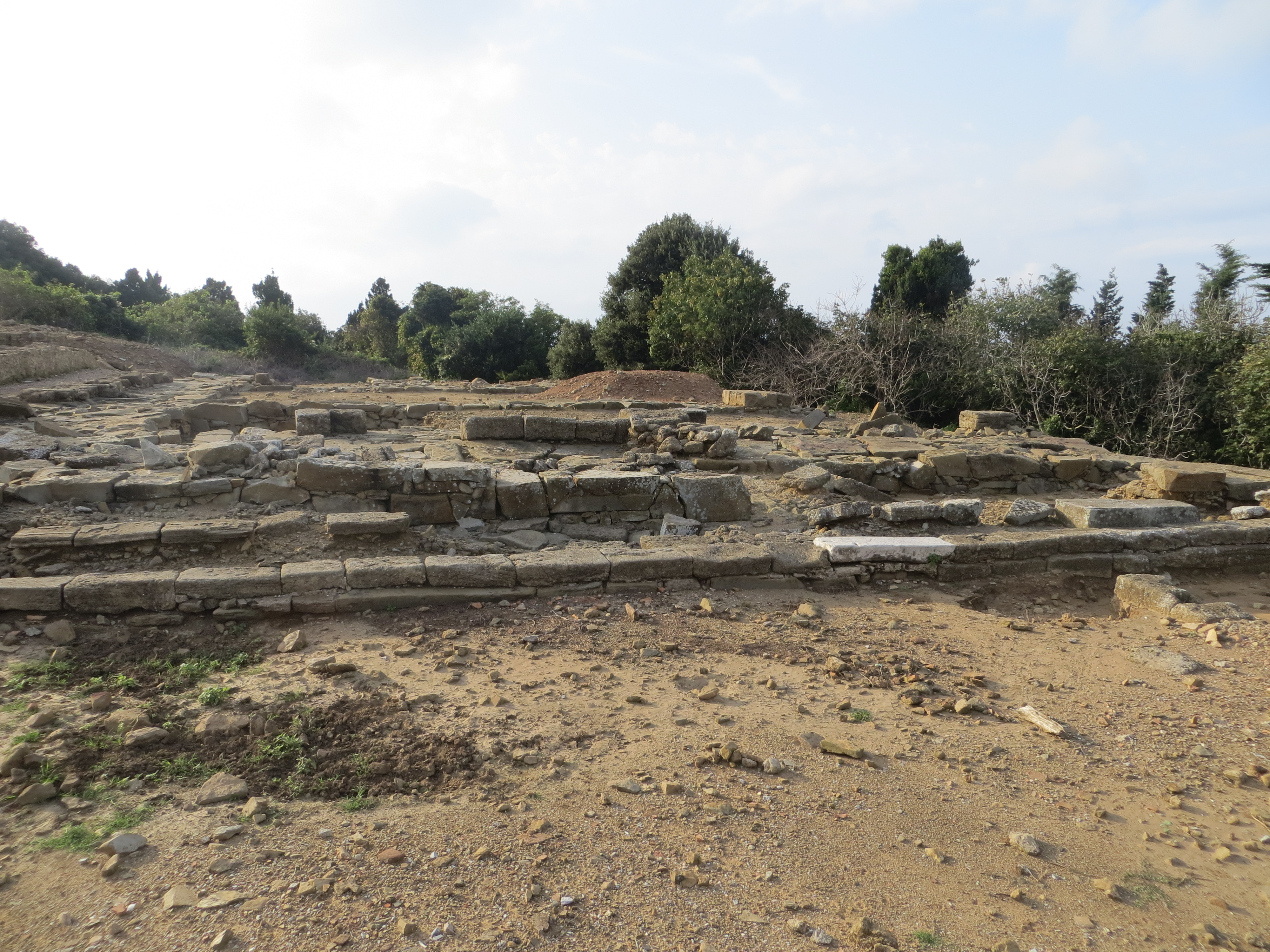
That afternoon we left the site and were driven to the Populonia castle and the Roman ruins adjacent to it called Poggio del Telegrafo.  This site, which overlooks the sea and the distant Isola d’Elba, had been populated since the Etruscan’s in the 9th century BCE and our PI, Dr Carolina Melale had taken part in the recent excavations, so she shared her knowledge of the layout and history.  With only fragments of the foundations to see, the signage showing what the structure could have been, with historical notes in English, was a big plus.

That night we had a gala diner with the volunteers & staff at the resort.

Europe_2014 10 09_1120

Excavation work at Poggio del Molino

Europe_2014 10 09_1122

Excavating a foundation at Poggio del Molino

Europe_2014 10 09_1123

Emerging find from the excavation.

Europe_2014 10 09_1124

A little more exposed…

Europe_2014 10 09_1129

Laura hold the prize, a fragment of an amphora bottom

Europe_2014 10 09_1152

Poggio del Molino

Europe_2014 10 09_1146Europe_2014 10 09_1153   Europe_2014 10 09_1158 Europe_2014 10 09_1174 Europe_2014 10 09_1176 Europe_2014 10 09_1178 Europe_2014 10 09_1185 Europe_2014 10 09_1191 Europe_2014 10 09_1192 Europe_2014 10 09_1196 Europe_2014 10 09_1197 Europe_2014 10 09_1199

4-Oct Earthwatch Visit to the Museo Archeologico in Piombino

On Saturday morning 4-Oct Jessie & John were treated to a tour of Museo Archeologico Del Territorio in Piombino by the Earthwatch project director, Dr Carolina Megale.  Since all the other volunteers had seen it previously, it was just Jessie & I.

The museum was very comprehensive, roomy and well laid out.  It covered from the earliest known inhabitants of the area, maybe 1000 bce.  Carolina knew the museum well and gave a stimulating narrative as we moved from hall to hall.

Signs (in Italian & English) & maps on the walls showed the geographical evolution of the area, from around 500,000 BCE.  The associated archeological objects were displayed in large rooms within glass cases.  One sign explained “The period between the late 8th and the early 6th century B.C. is usually called ‘Orientalizing’ due to the huge quantities of luxury good imported from Greece and the Near East (Egypt, Assyria, Phoenicia, Syria, Cyprus, Urartu). … objects that emphasize the prestige and power of the Etruscan rulers, the alphabet, the craftsmen and new technologies… are acquired.”

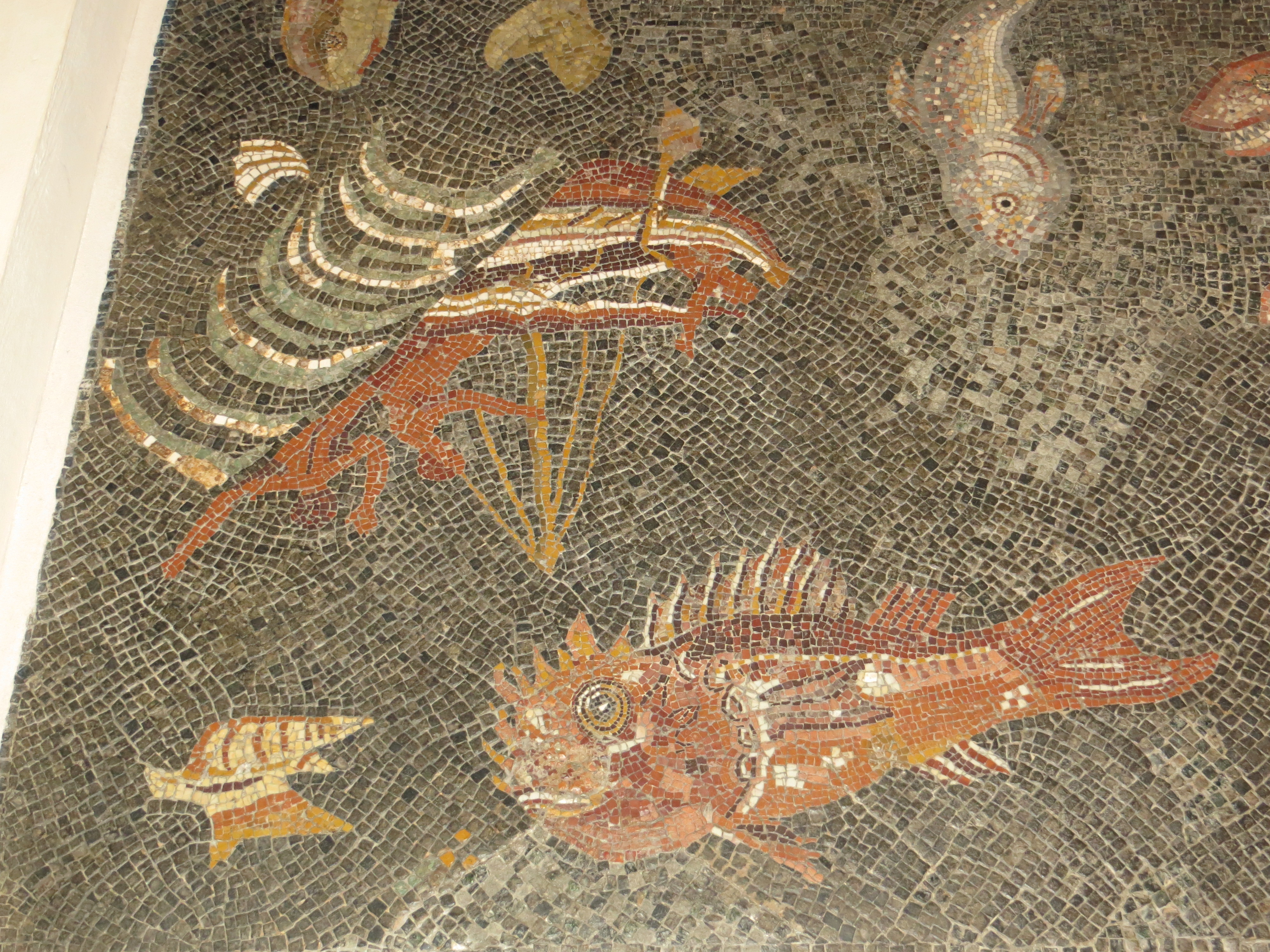
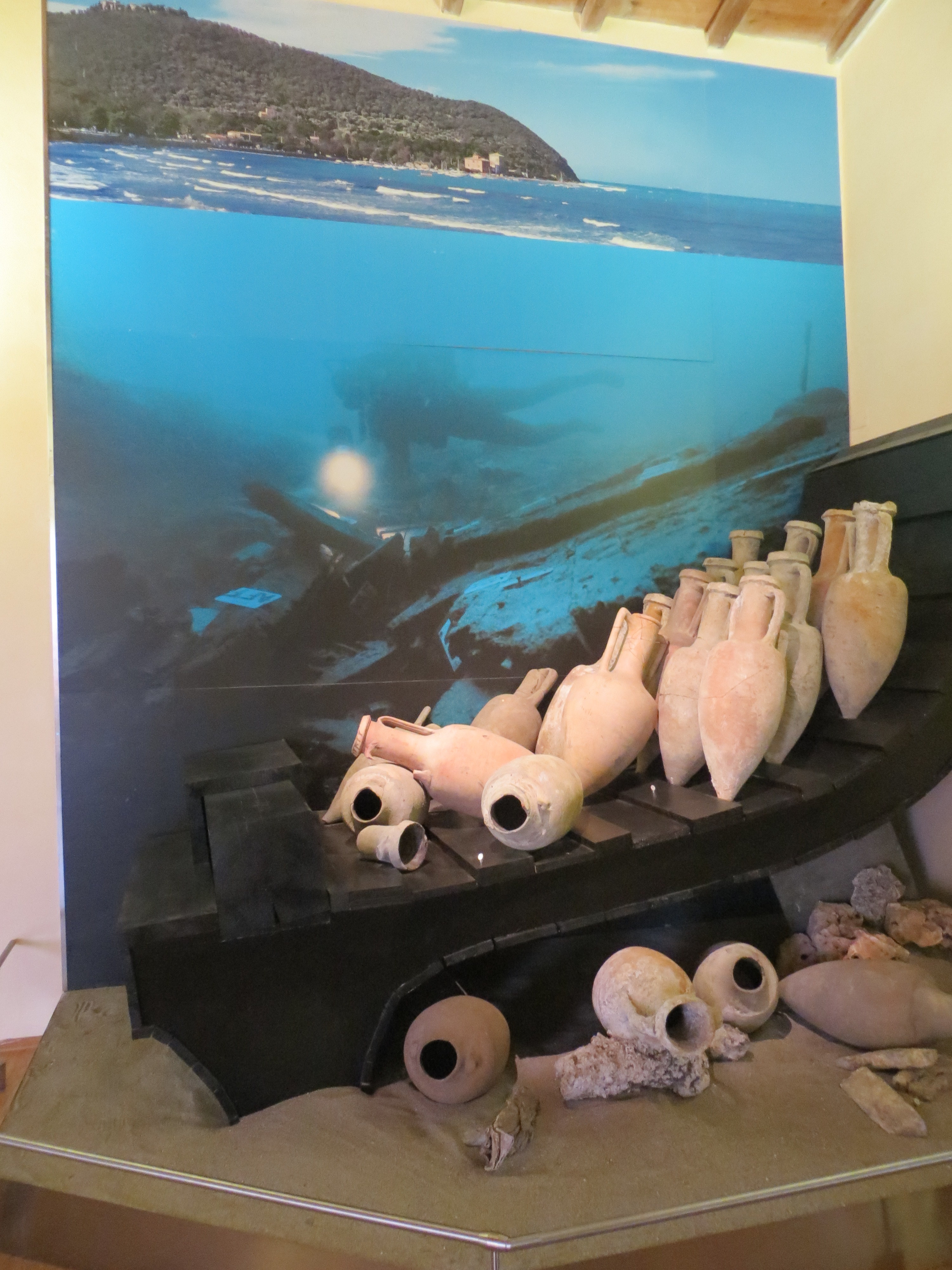
Along with the Etruscan, Greek & Roman artifacts, two particularly interesting objects were on display.  First was an “early first century” mosaic from the Roman Acropolis Le Logge at Populonia depicting a shipwreck in an underwater setting with fish & crabs.  (This also had an interesting backstory, including being damaged in a traffic accident and a its recovery in 1995 after being illegally exported.) The second object, L’anfora di Baratti  was a large silver amphora (vase) which was found by accident stuck to an anchor off the near-by coast.

Europe_2014 10 04_1270 Europe_2014 10 04_1277 Europe_2014 10 04_1279   Europe_2014 10 04_1295 Europe_2014 10 04_1296Europe_2014 10 04_1291Europe_2014 10 04_1283 Europe_2014 10 04_1305