
As we settled into the work at Poggio del Molino, John started taking pictures of a particular corner of our excavation area. There were two adjacent excavations we were working on; the biggest one, Site A, uncovered the corner of two exterior walls.
Site A was approximately 20 ft wide so 3 & 4 people could work there side-by-side. It was suspected to have been an outdoor shed with a tile roof.
Site B was nearby, but separate from Site A and much narrower and angled 90deg away. At most two people could work this site. This excavation exposed more of the base of one exterior wall that was thought to have been a tower. Site A was exposing another side of this tower.
John took pictures of Site A over our two week tenure, showing about 2 ft of fill removed.
Supporting all this was the bucket brigade that sustained this fine steam of hand-swept, 2000-year-old debris. A lot of it was loose sandy soil, but with rocks & tiles mixed in. It was hauled by volunteers & staff, one bucket and wheelbarrow at a time, up an incline and onto an ever-growing dumpsite. At best, the dump area separated the large blocks and tile fragments from the soil. (Oddly, I only saw one worm through the whole two weeks.) My guess is that we moved 2 to 3 tons of material up to the dumpsite.
The ground is carefully gathered by volunteers sweeping up loose soil and removing larger blocks one at a time. Besides rocks, mostly it seemed we were picking up roof tile fragments. Everything was inspected and interesting finds were passed up the chain of interest. The most interesting finds wound up in a bag identified with the layer id we were excavating.
The excavation stopping points were the layers as determined by Dr Carolina Megale and her staff. The layers were almost imperceptible color or texture changes in the soil. At each layer documenting photos were taken by Dr Megale before we began the excavate again. The layers were numbered and all interesting objects from that layer that were set aside were likewise identified. Each layer was also documented with descriptive (English) narrative in a project workbook.

30-Sept One corner of Poggio del Molino, I call Site A. The far wall is one side of a former tower.

30-Sept Earthwatch volunteers loosening the soil
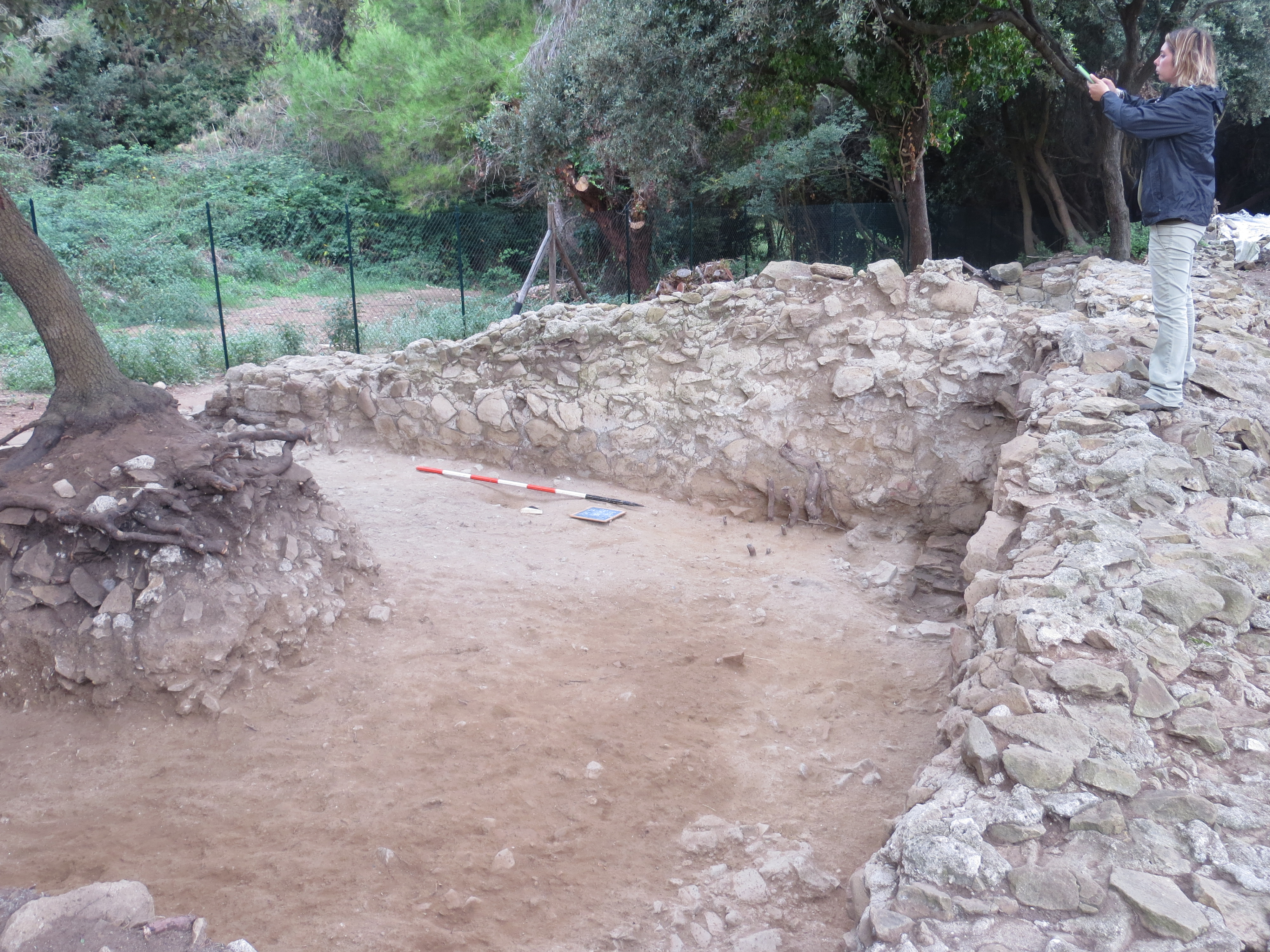
1-Oct Documenting a layer
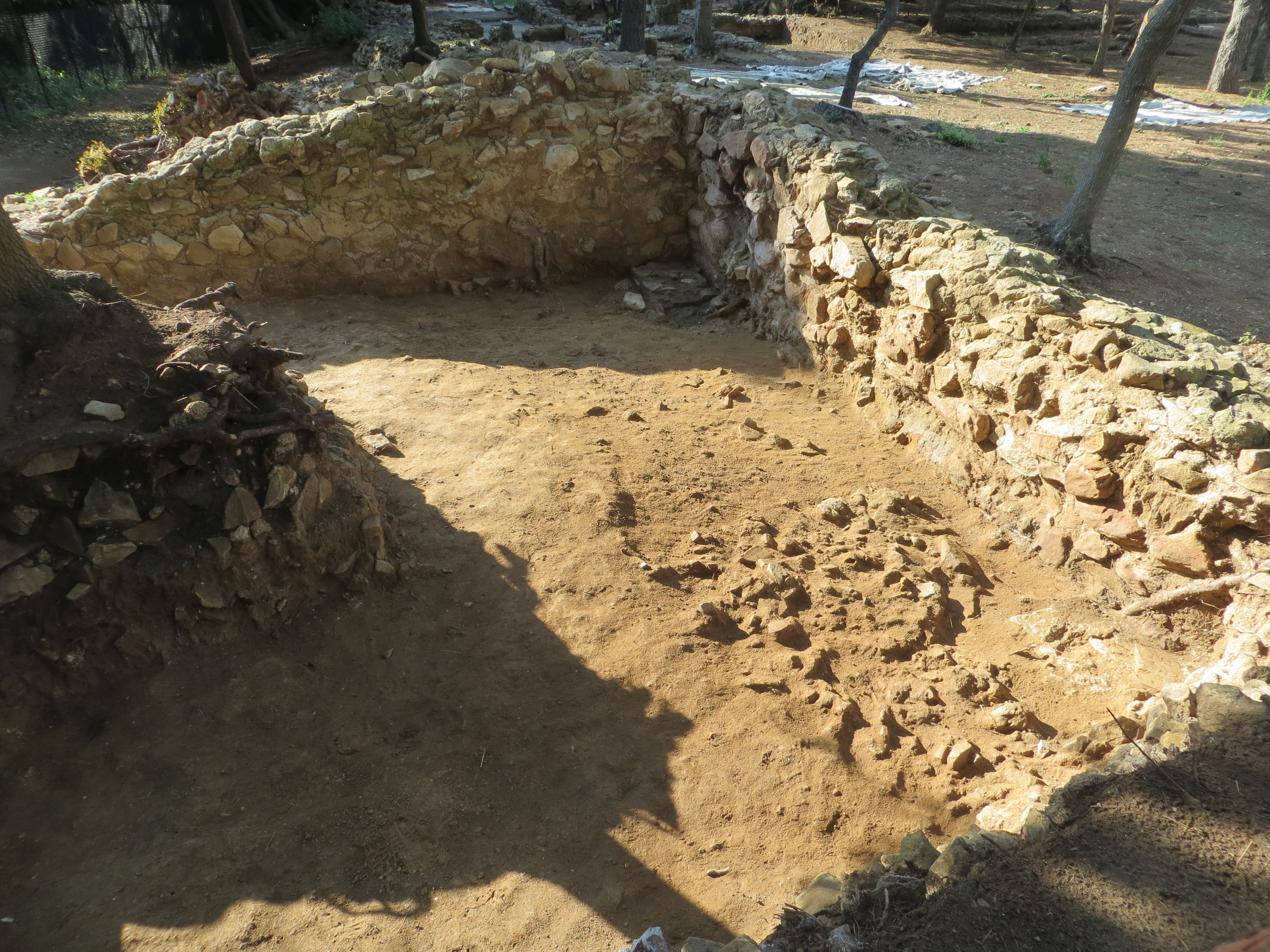
3-Oct
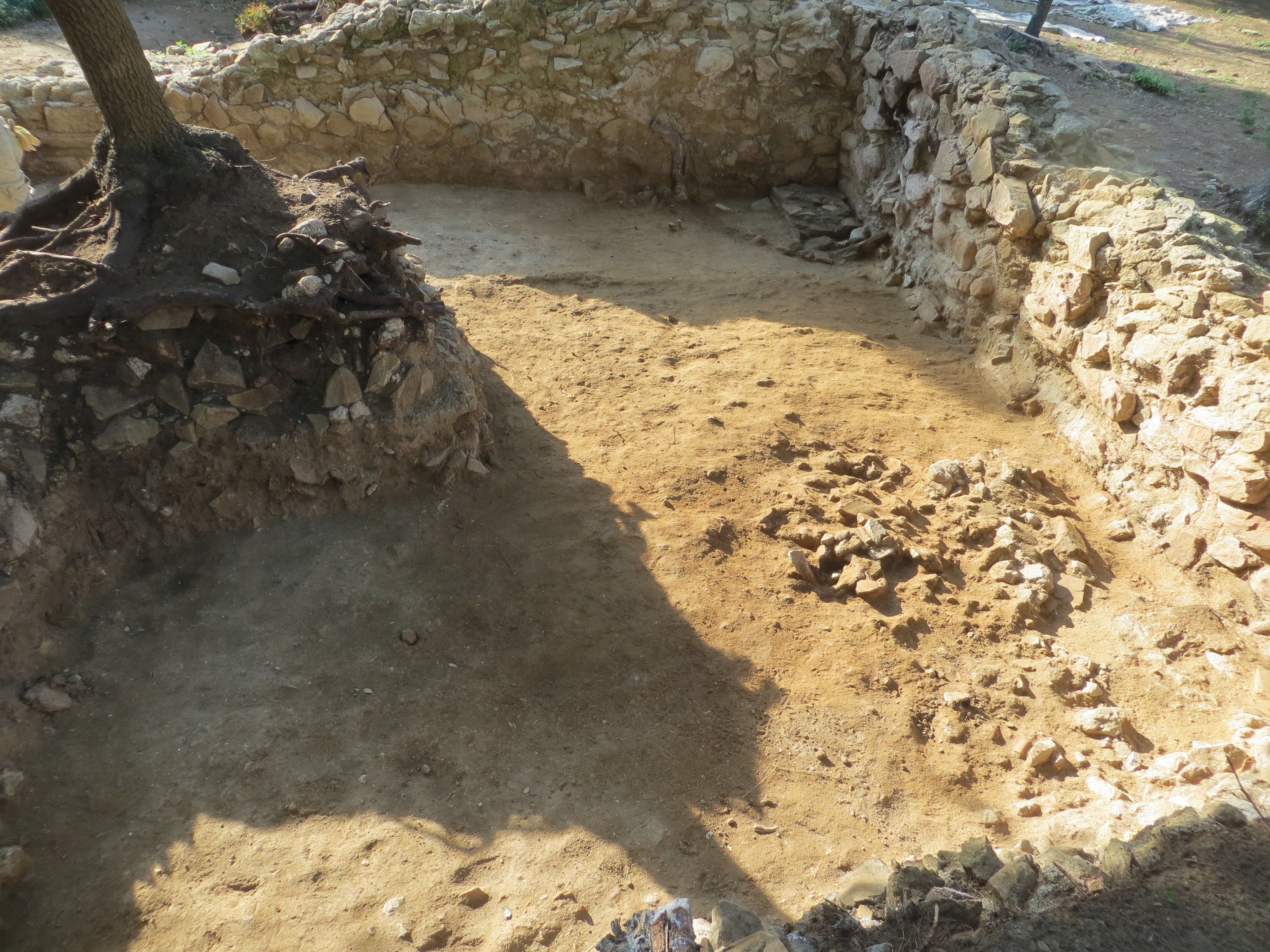
5-Oct
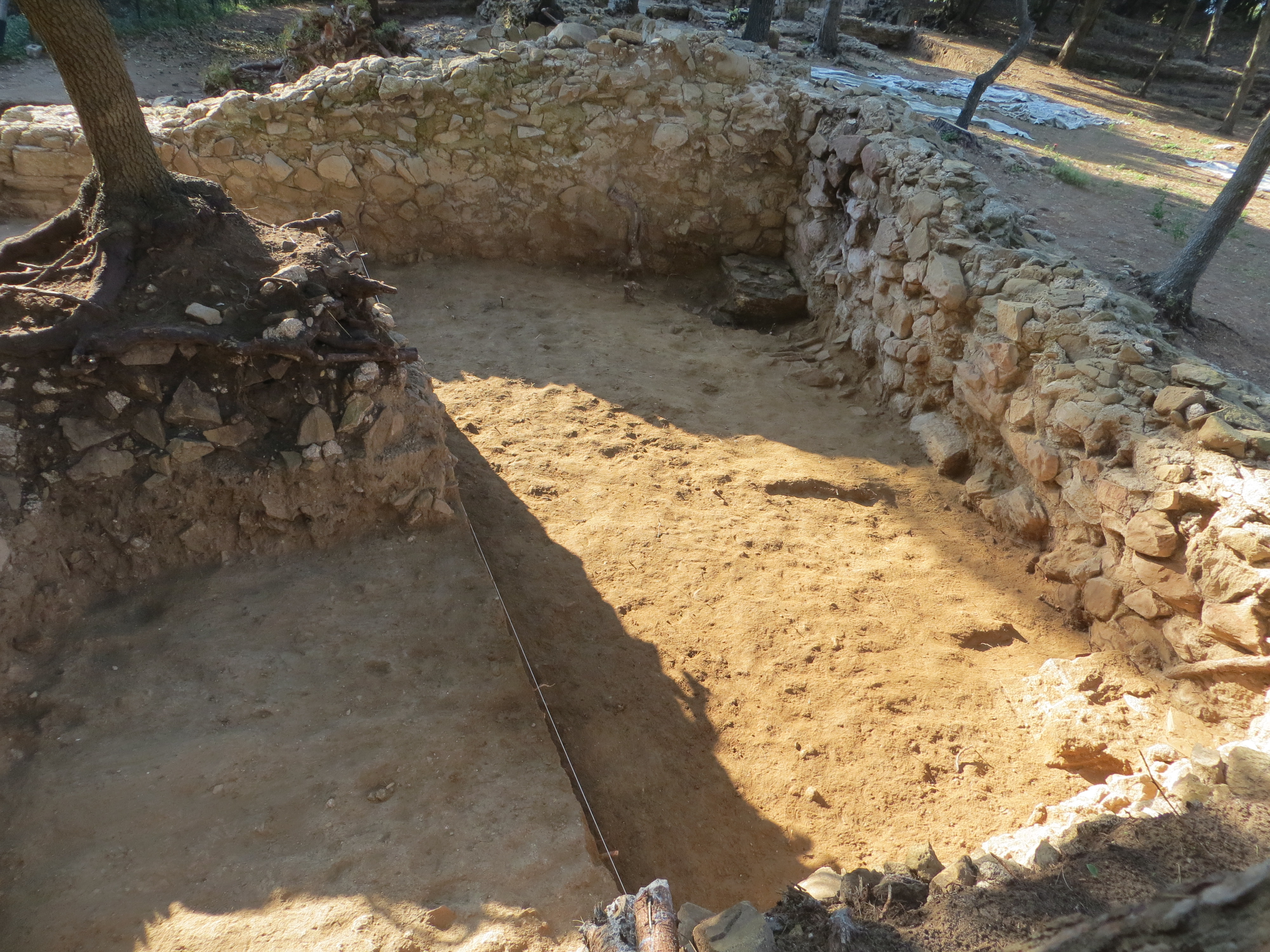
6-Oct
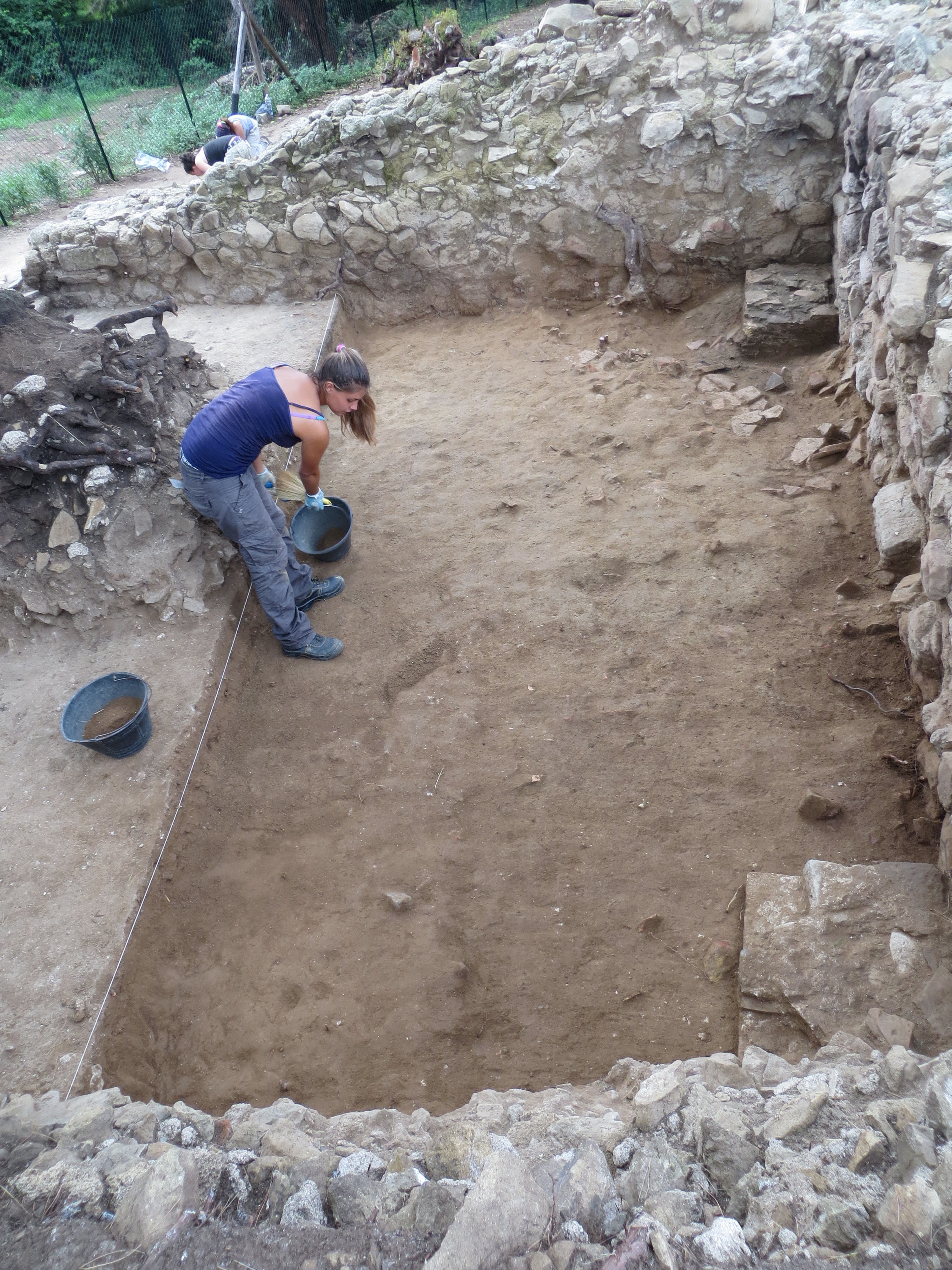
7-Oct

8-Oct What have we learned? Dr Carolina Megale & Helga inspecting excavation results
Before
After
 On the Go with John and Jessie