

Working the dig at Poggio del Molino near Piombino
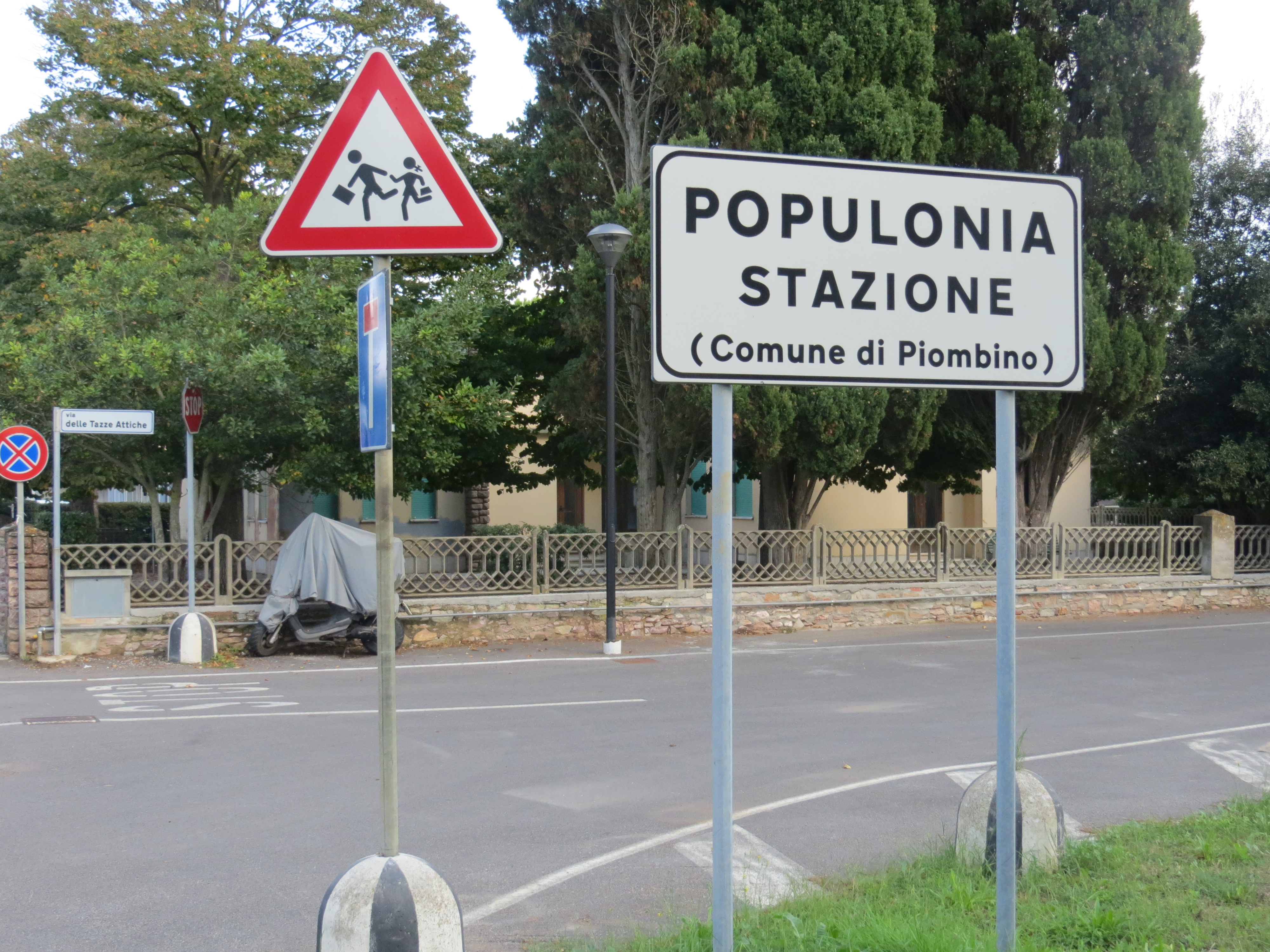
On Sunday 28-Sept we took the mid-day train south from Pisa to be met at the railroad station in Campiglia Marittima by the Earthwatch project staff members who transported us to our condo-like home — for the next two weeks — in Popolonia Stazione, near Piombino Italy.
We shared the two-story apartment with two other couples and had an upstairs bedroom. Each workday we were transported to the near-by project site at Poggio del Molino. We each made our own breakfast (John made cheese omelets) and the project provided requested breakfast ingredients for the apartment’s kitchen. We provided the essential wine & beer.
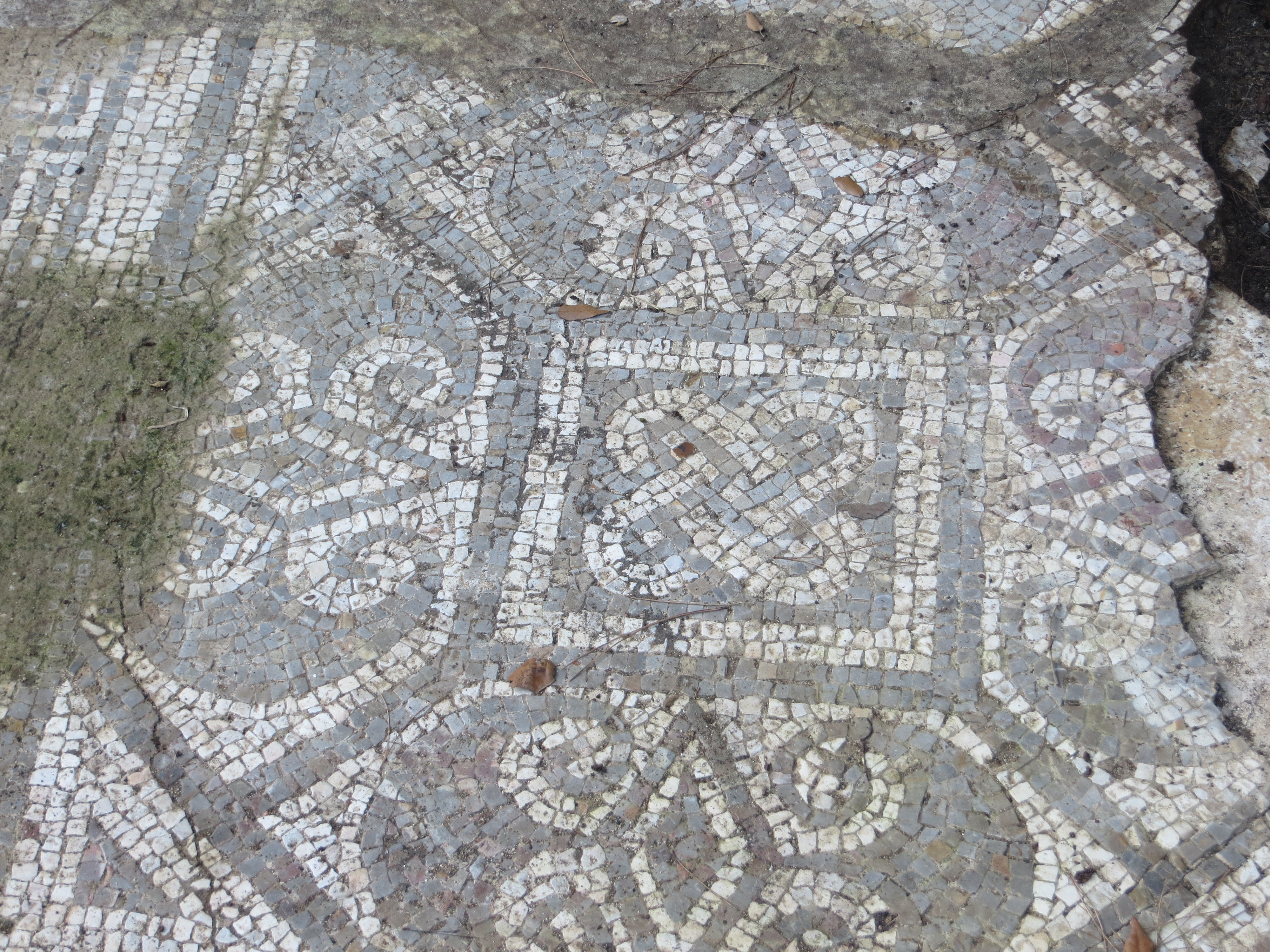
The project was unearthing a settlement at Poggio del Molino, on Italy’s west coast next to the Tyrrhenian Sea (or could be the Ligurian Sea?), which might have been in existence since about the 7th century BCE as an Etruscan fort, then a farmhouse, then a Roman villa. The site consisted of wall foundations outlining rooms for the owners, staff and various activities like steam baths & producing fish oil. The area was prosperous due to local mining and iron mining on near-by Isola d’Elba.
Initially we found the worksite labor much harder than anticipated and we were thoroughly exhausted by the end of the day. The weather was warm, even hot. Fortunately we got rain on the 3rd day which precluded more digging until the ground dried out. For two days we did some alternative projects, including sorting through the Roman-era bones found on a construction site in an urn. This respite helped restore our strength and enabled us to return to the dig with renewed energy.
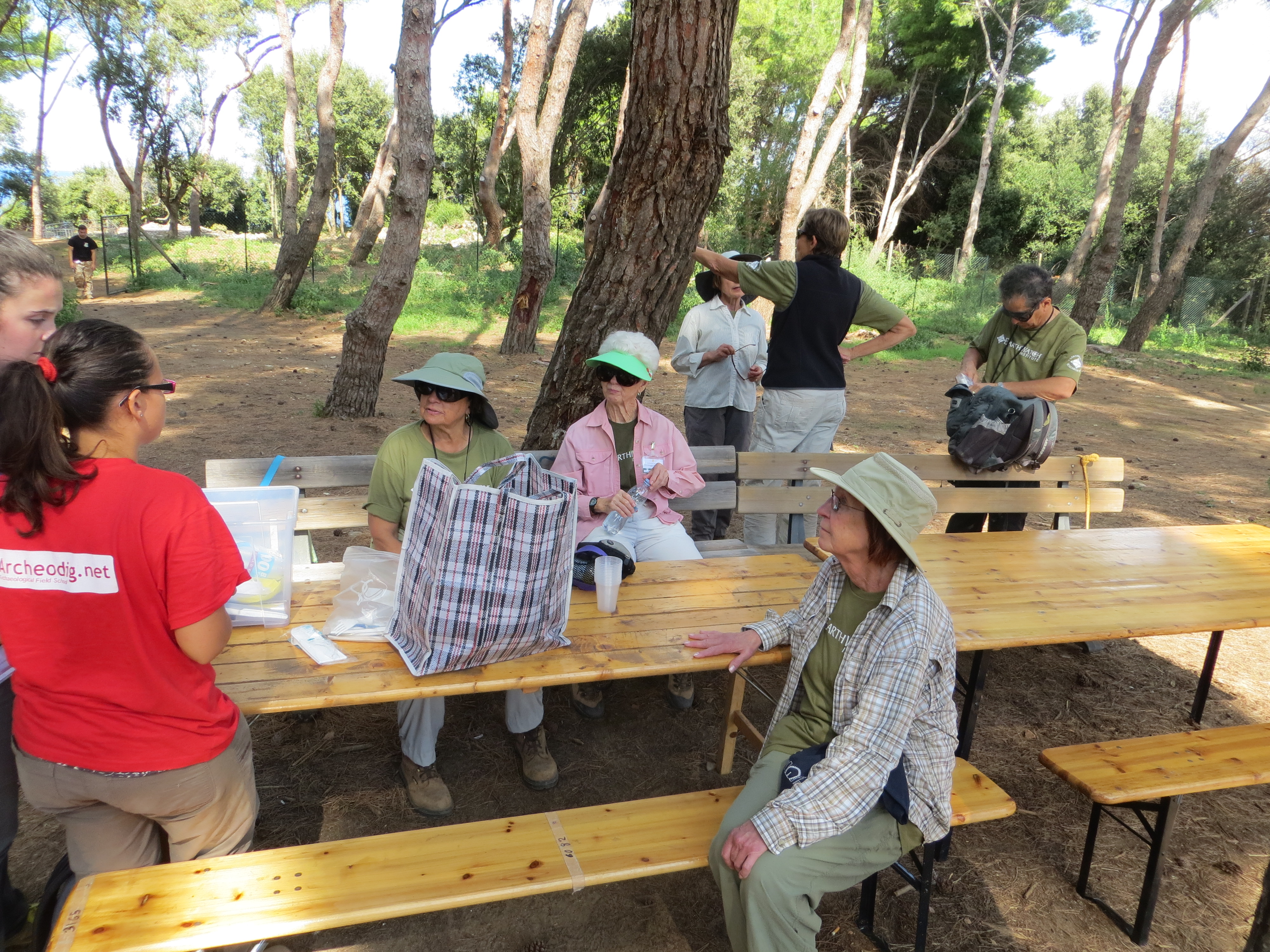
The workday started at 8:45am. A mid-morning snack and lunch were provided at the work site. We ended the day at 5pm and were transported back to Populonia Stazione. Diners for the volunteers had been arranged at the adjacent resort, Poggio all’Agnello, so each evening we walked the short distance to the resort’s dining room. The three-course fixed menu food served at the resort was of uneven quality, ranging from mediocre to excellent.
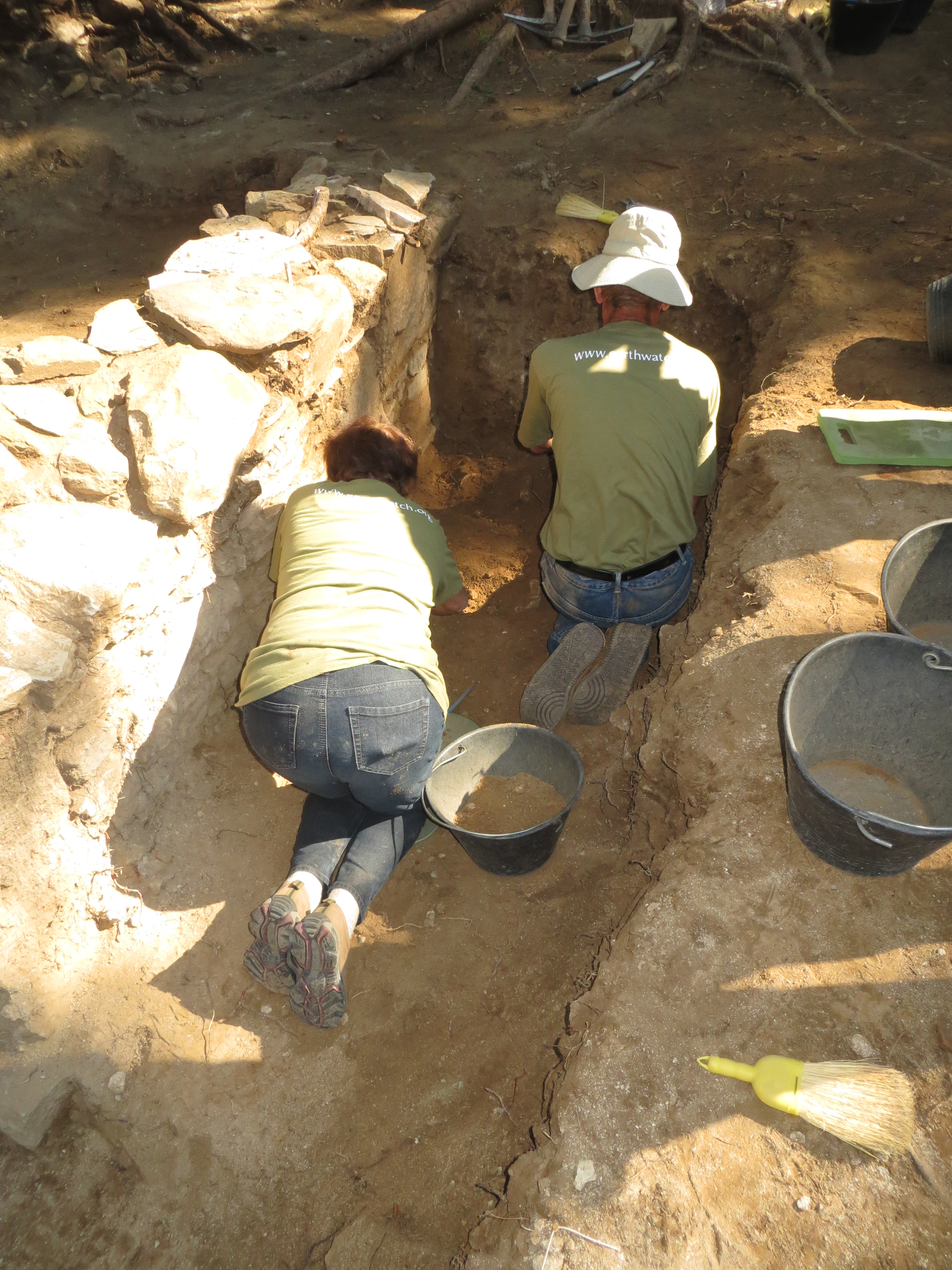
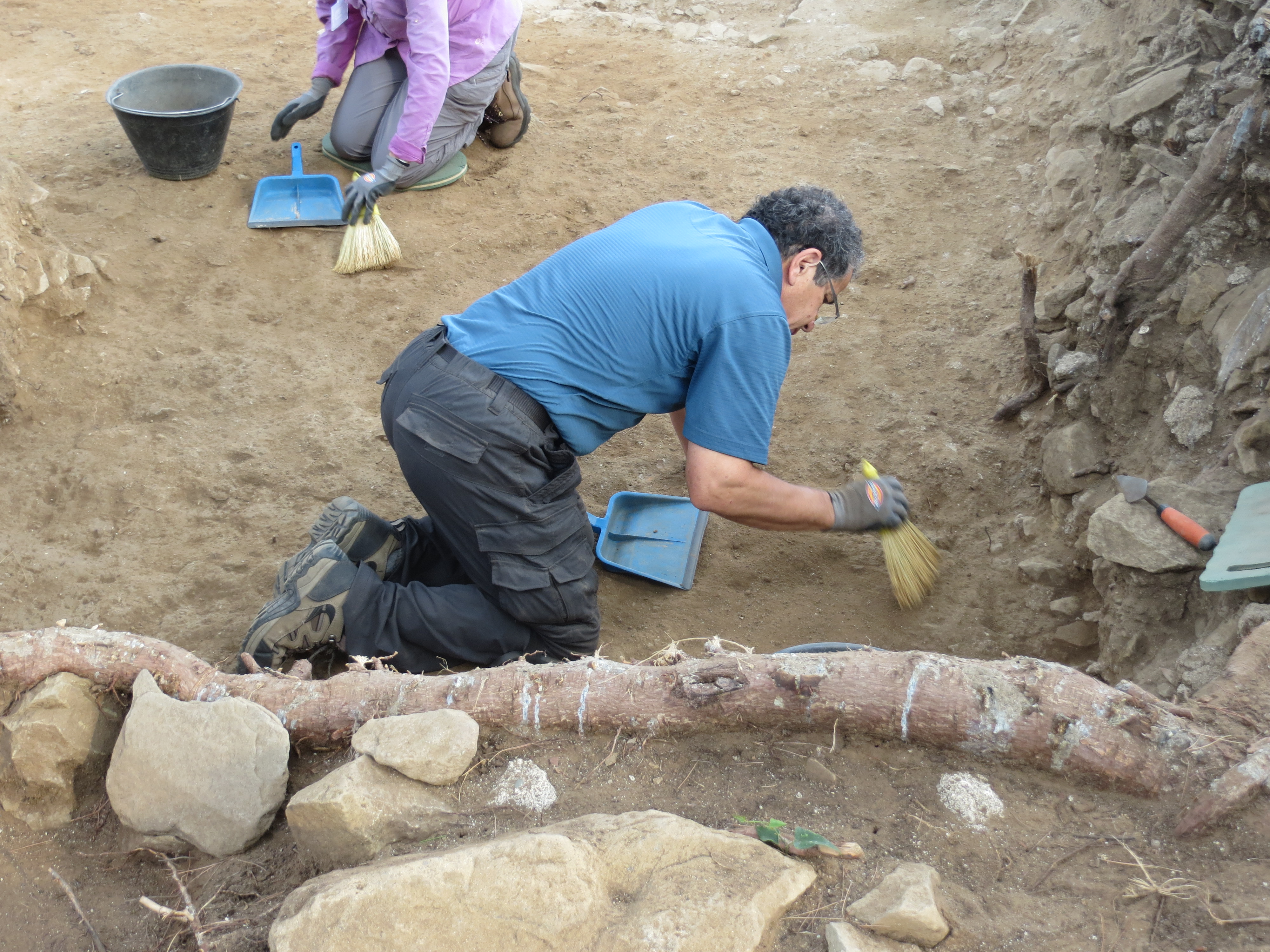
The work at Poggio del Molino consisted of carefully excavating the designated area around the walls of the villa/fort, supervised by the staff. The basic daily tools were gloves, a small trowel, a hand brush, a dustpan, a bucket and knee pads. At the start, the ground was loosened up with a pick, then we set to removing the exposed rocks & soil by hand sweeping the soil into a bucket, and picking up the larger stones and roof-tiles. The staff oversaw our efforts and checked carefully for interesting artifacts and signs of a new ‘layer’, indicating another strata of history. It was slow work on our hands and knees shifting the soil & rocks into the buckets while others were slinging the full buckets over to the waiting wheelbarrows and hauling them up to the dump just outside the site’s fence.







 On the Go with John and Jessie